Last updated November 21, 2026
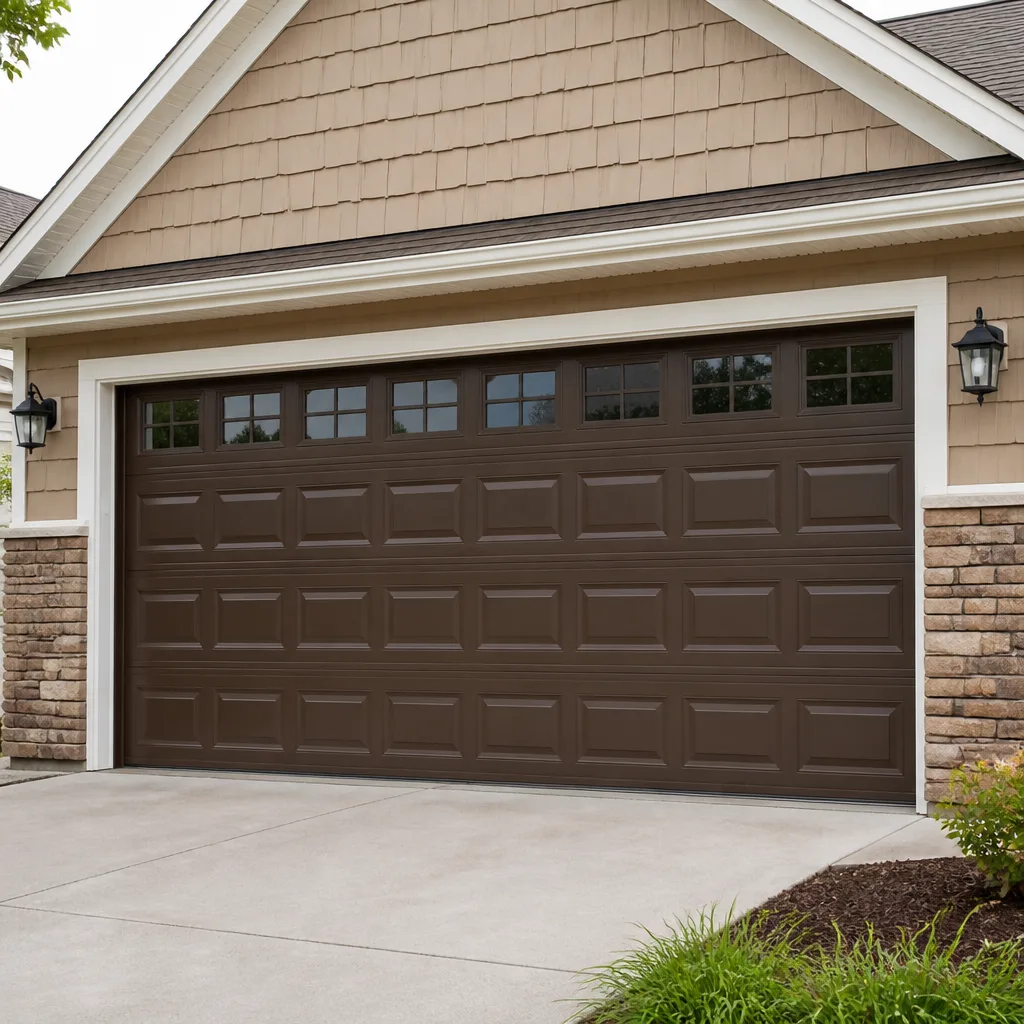 Raised-panel steel
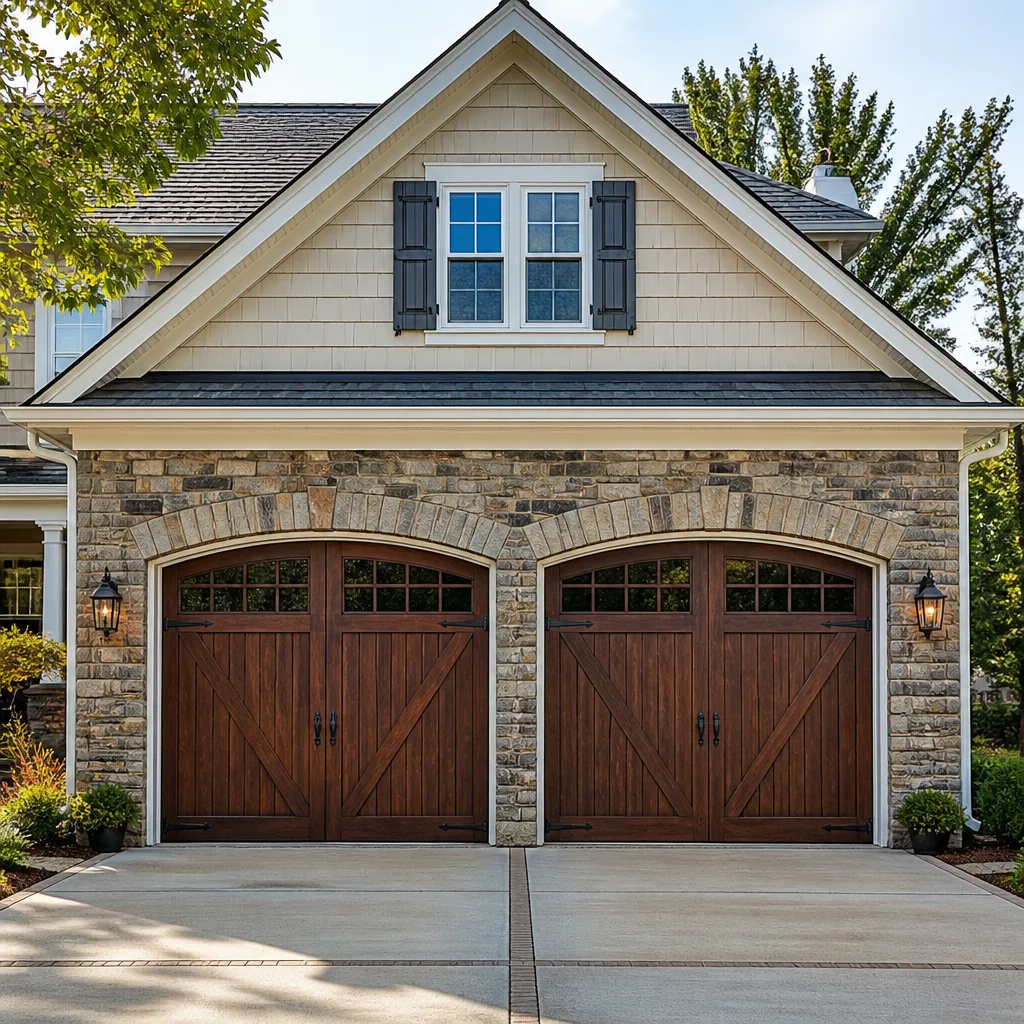 Carriage house
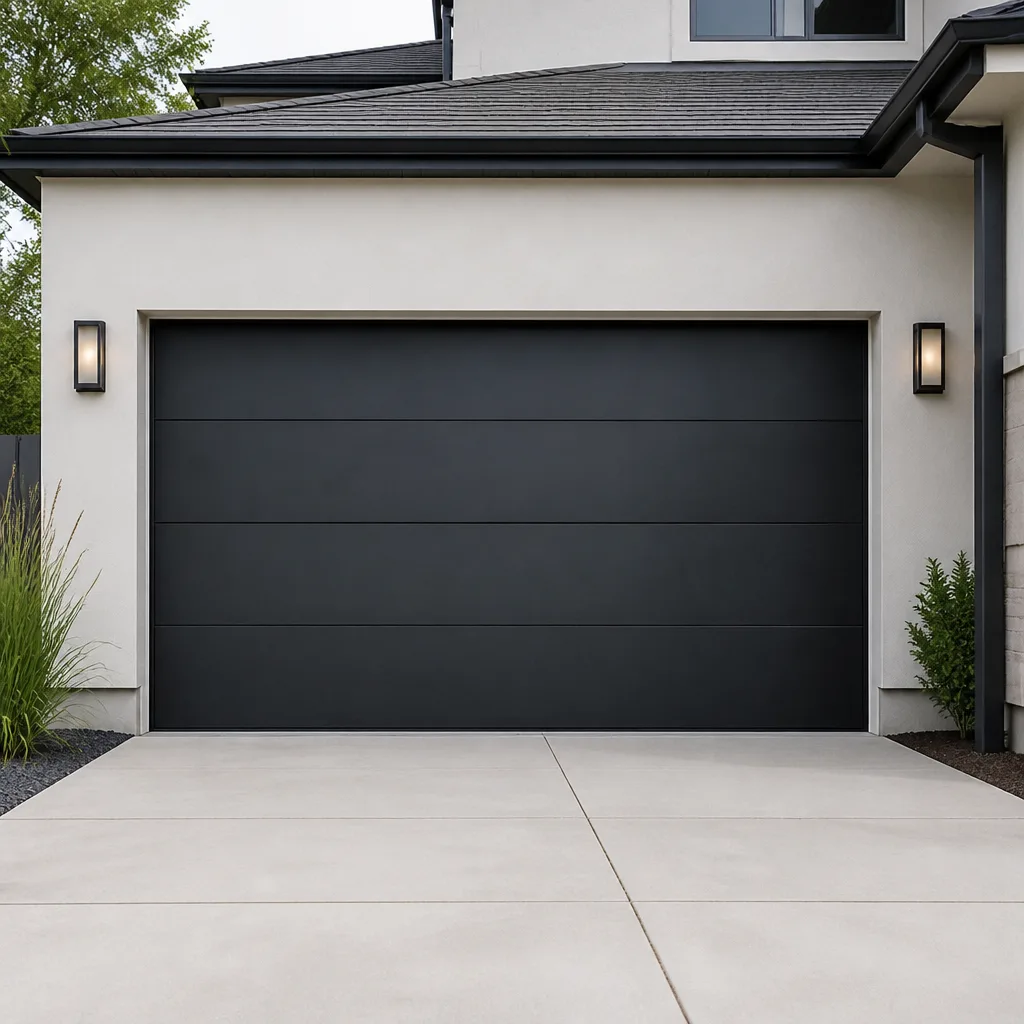 Modern flush
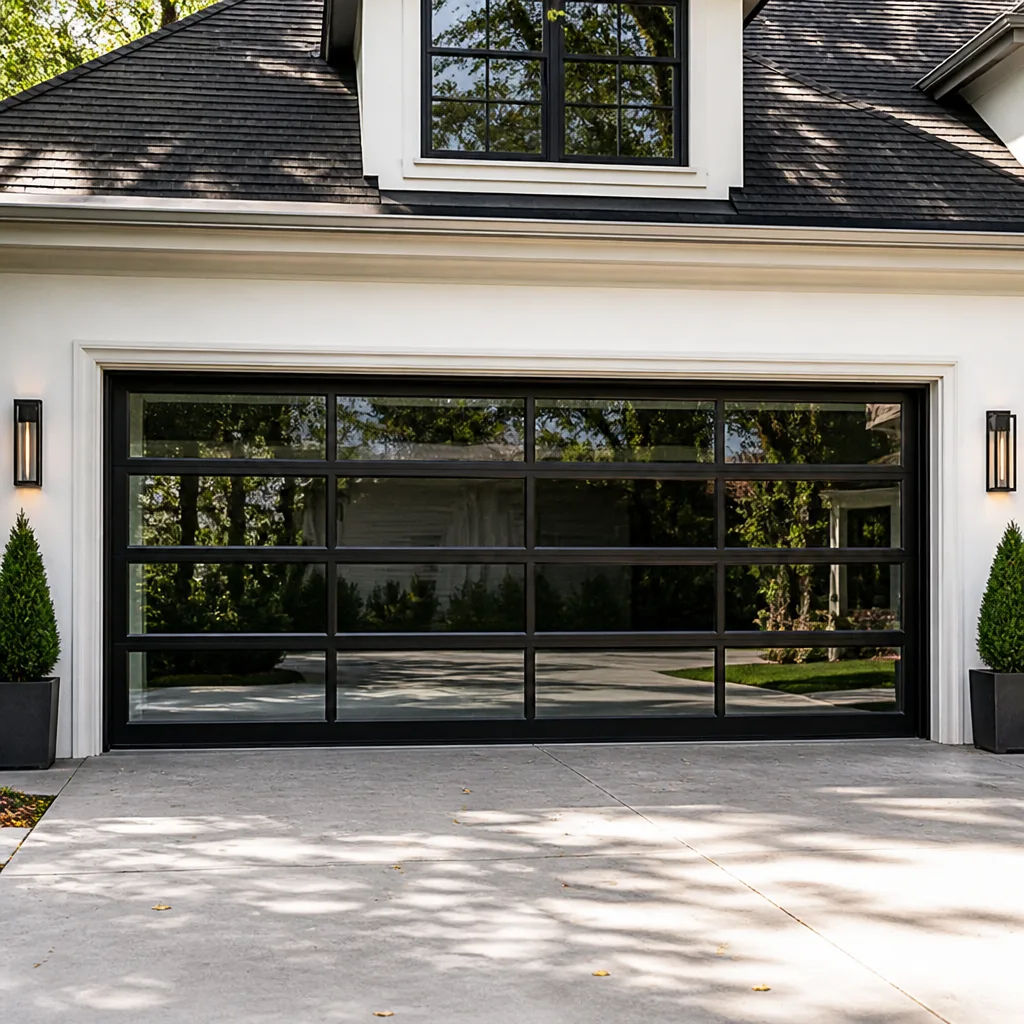 Full-view glass
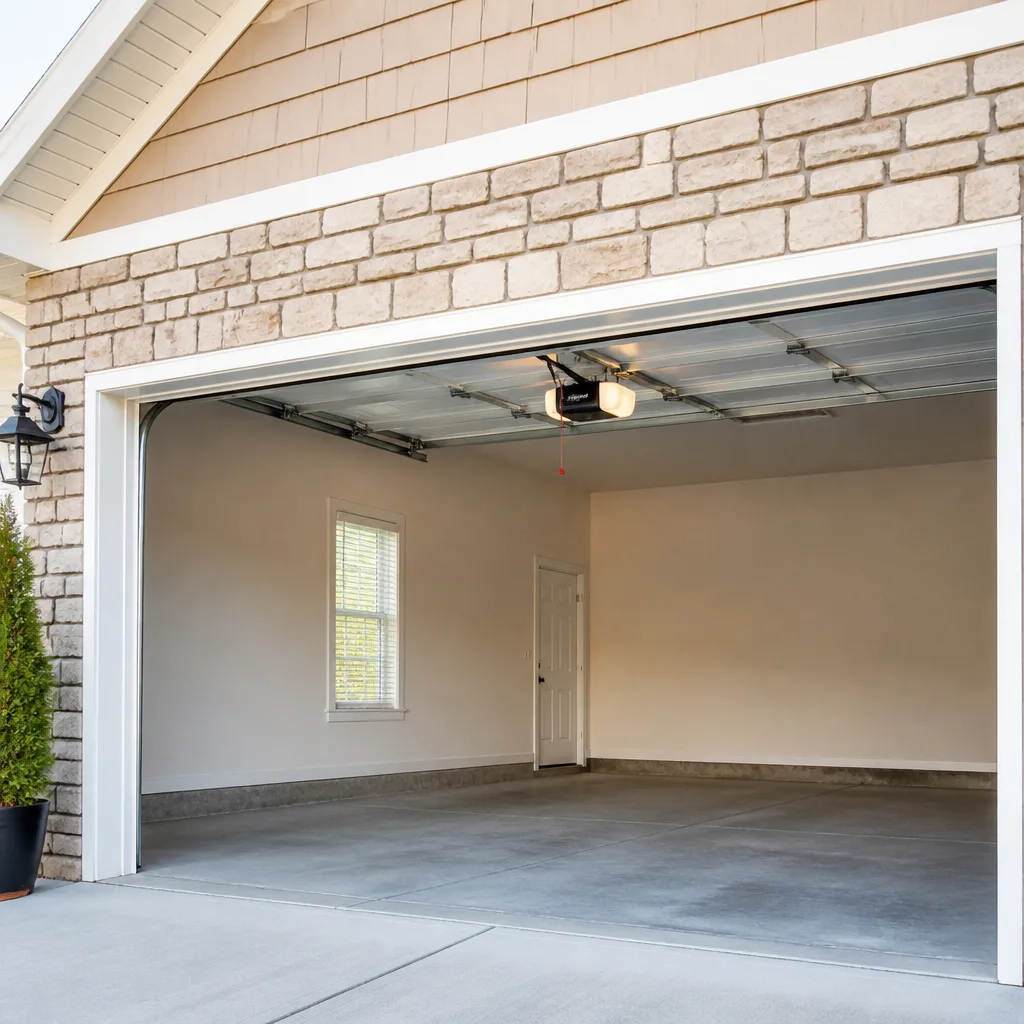 LiftMaster openers
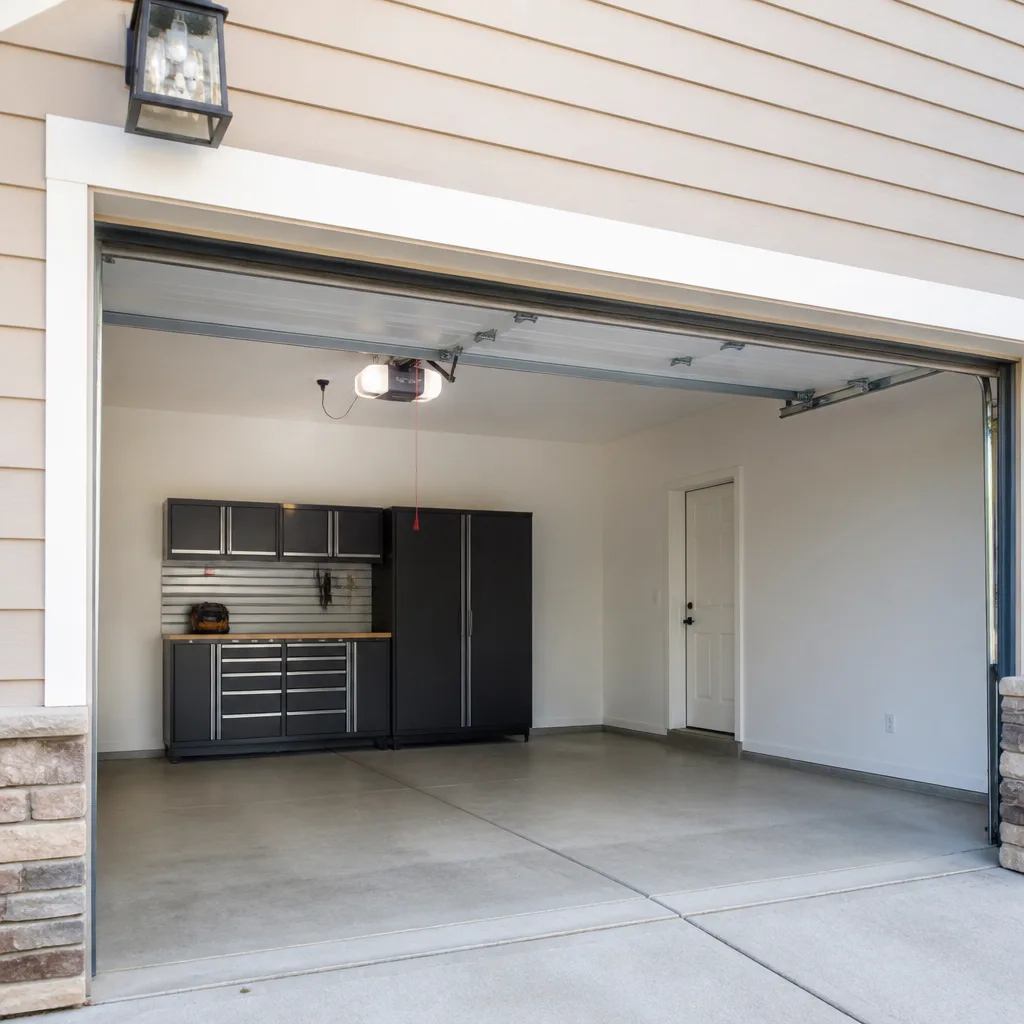 Chamberlain openers
Full 25-point door and opener safety check with every visit - springs, cables, rollers, tracks, and your LiftMaster or Chamberlain opener included
You get a price before we start. It does not change when the pro arrives.
Get your free estimateChoosing the Right Garage Door Brand: A Buyer’s Guide for Hyde Park
Start with how the door is serviced, not whose name is on it. That’s the counterintuitive part. A premium brand with a decade-long warranty stops feeling premium when the nearest parts distributor is several states away and a broken hinge or bent roller means a wait measured in weeks. Here in Hyde Park, where homes are packed close together and neighbors genuinely talk to each other, the smarter move is to weigh parts availability, realistic warranty terms, and how your door actually gets used before you fall for a manufacturer’s spec sheet. This guide walks you through all three, brand by brand, and explains why the door down the street may be the best data you have.
Quick Answer
For most Hyde Park homes, the right garage door brand is the one whose parts a local supplier actually stocks, whose warranty terms hold up against how you really use the door, and whose panel and opener components can be serviced without a long-lead order from out of state. That usually points toward widely supported names like Clopay, Amarr, and Wayne Dalton for the door, and LiftMaster, Chamberlain, Genie, or Craftsman for the opener, but the final call comes down to your specific setup. We work on the brand you already have, which makes compatibility the starting point rather than a sales angle.
Styles & brands we work with
- Raised-panel steel
- Carriage house
- Modern flush
- Full-view glass
- LiftMaster openers
- Chamberlain openers
Table of Contents
- Why the Brand Matters Less Than You Think
- Parts Availability by Brand in the Boston Metro
- The Specs That Actually Matter for Hyde Park Homes
- Opener Brand: A Separate Decision
- Matching Door Construction to How You Use Your Garage
- Why Your Neighbor’s Door Is Better Data Than a Spec Sheet
- How We Evaluate a Brand Before We Recommend It
- Common Mistakes to Avoid
Why the Brand Matters Less Than You Think
The marketing on a garage door brochure is built for a showroom moment. You look at the finish, the window pattern, the color options, and you imagine how it’ll look from the sidewalk. All of that matters. None of it tells you what happens four winters from now when a torsion spring lets go or a bottom seal starts dragging because the concrete has shifted.
What actually determines how much you enjoy your door over the years is a smaller and less glamorous set of factors:
- Whether a trained technician can get the part. A door is a mechanical system with a handful of parts that wear out on a predictable schedule. Springs, rollers, hinges, cables, and seals are the usual suspects. If those parts are available locally, a repair is a same-day or next-day job. If they aren’t, you’re waiting on shipping.
- Whether the warranty terms match your use. Many warranties assume a certain number of cycles or an environment that doesn’t match an attached garage on a sloped Hyde Park lot where the sun hits one side of the door for most of the afternoon.
- Whether the components are standard enough to interchange. A torsion spring is a torsion spring. But a proprietary opener motor or a panel profile unique to one manufacturer can bottleneck you when something fails.
- Whether local technicians have seen the brand before. Familiarity shortens diagnosis. A pro who has worked on a LiftMaster and a Raynor many times knows the common failure points and doesn’t spend an extra hour guessing.
None of this means brand is irrelevant. It means brand is a variable, not a verdict. The door that wins on paper doesn’t always win in a Hyde Park driveway. We’ve seen that play out enough to stop treating a spec sheet as the whole picture.
Parts Availability by Brand in the Boston Metro
This is the factor that trips up the most homeowners, and it’s the one least visible on a manufacturer’s website. A brand can be sold all over New England and still have thin parts distribution. For some names marketed in greater Boston, the nearest dedicated supplier can be far enough away that a routine repair turns into a wait you didn’t plan for. That’s the real story behind the hook at the top of this page.
Here’s how we think about the brands we work with on parts access in the Boston metro:
- Clopay and Amarr: Two of the most common doors on the residential market, and the good news is that their parts and panel profiles are widely supported. Torsion springs, hinges, rollers, and weather seals are typically obtainable without a special order. This is the practical reason so many Hyde Park homes have one of these two doors.
- Wayne Dalton: Common and well-supported, and familiar to local technicians. Certain models have specific part numbers worth noting, but the availability picture is generally solid in the Boston area.
- Raynor: A solid brand with a smaller distribution footprint than the biggest names. Most routine parts are obtainable, but specific panel sections or specialty components can occasionally need ordering. Not a reason to avoid the brand, but worth knowing before a panel gets damaged.
- Off-brand and discontinued doors: The hardest case. Imported or long-discontinued doors can leave you hunting for a part that no one stocks. Sometimes the smart move is to adapt a standard part; sometimes a panel or section replacement is the honest answer.
The practical lesson: when you’re choosing a new door, ask the installer to confirm where the springs, hinges, and panel sections come from. If the answer is vague, that’s your signal. When you need a repair on what you already have, we stock and supply garage door parts directly, which shortens the timeline versus waiting on a third-party order.
The Specs That Actually Matter for Hyde Park Homes
Manufacturers lead with color and windows because that’s what sells. The specs that determine long-term satisfaction are quieter. Four of them deserve your attention.
Insulation R-value
If your garage is attached to the house and shares a wall with living space, insulation matters for comfort and for keeping the adjacent rooms from getting cold. If the garage is detached and unheated, R-value matters less for comfort but still affects how the door handles temperature swings. An insulated door typically carries a higher R-value; a non-insulated steel door is the bare-bones option. Match the number to how you actually use the space.
Wind load rating
A single-car door and a two-car door present very different surface areas to wind, and a wide door needs more reinforcement to resist flexing. Look at the wind load rating and ask whether the door includes a strut or reinforcement for wider spans. This is a structural detail that doesn’t show up in a pretty photo but shows up in how the door feels when it’s up.
Steel gauge
Lower gauge numbers mean thicker steel. A thicker gauge resists dents from a stray basketball or a bumped bumper, and it holds its shape better over years of cycling. For a household with kids and bikes, thicker steel is money well spent. For a low-traffic detached garage, a thinner panel is a reasonable tradeoff.
Finish warranty
The steel warranty and the finish warranty are often different numbers. A door might carry a long structural warranty but a shorter one on the paint or finish. Read both. If your door faces strong afternoon sun, the finish takes more punishment, so a stronger finish warranty is worth weighing.
The point isn’t to chase the biggest number on every spec. It’s to know which specs matter for your door, in your Hyde Park setting, and to let the others go.
Opener Brand: A Separate Decision
The opener deserves its own evaluation because the door brand and the opener brand are frequently different, and that’s fine. A Clopay door on a LiftMaster opener is a perfectly normal pairing. What matters is compatibility with your home’s existing wiring and your smart home setup, and whether a technician can diagnose the opener when it misbehaves.
The opener names we see most often in Hyde Park homes and work on regularly are LiftMaster, Chamberlain, Genie, and Craftsman. Consider these points:
- Modern versus legacy. A WiFi-enabled opener from the last several years connects to an app and sometimes integrates with a smart home system. An older unit still works fine but won’t. Match the opener to your expectations for remote monitoring and voice control.
- Wiring compatibility. A replacement opener generally reuses the existing wiring, but not always cleanly. A technician should check the wall button wiring and safety sensor wiring before assuming a simple swap.
- Safety sensors. The photo-eye sensors at the bottom of the door are a legal safety requirement on any opener made for decades now. These are the most common failure point on a modern opener, and they’re also the easiest thing for a service call to resolve.
- Battery backup. If losing power during a storm leaves you unable to get the car out, a battery backup is worth considering. It’s become a more common request as storms have knocked out power in the area.
Because we handle garage door opener repair across these four brands, we can diagnose the opener independently of the door. Many “the door won’t open” calls turn out to be an opener sensor issue rather than a door problem, and it helps to have a technician who checks both.
Matching Door Construction to How You Use Your Garage
The same door brand can be a great choice for one Hyde Park home and a poor fit for the one next door. The variables are how the garage is attached, how wide the door is, and whether the space is heated. Here’s how to think about construction against your actual use.
Attached versus detached
An attached garage shares at least one wall with living space. Insulation matters for comfort and for keeping the shared wall from bleeding cold air into the house. A detached garage in a Hyde Park backyard doesn’t share a wall, so insulation is more about the space itself and less about the house. If the detached garage is work-space or storage, a modestly insulated door is often enough.
Single-car versus two-car
A single-car door is narrower and lighter. A two-car door covers more area and needs stronger springs, better balance, and often reinforcement. When you’re comparing brands, check whether the door you’re considering offers the reinforcement for the width you need. A brand that shines on a single-car door may not be the strongest choice for a wide two-car.
Heated versus unheated space
If the garage is heated and used as a workshop or a laundry extension, insulation and a good bottom seal matter a lot. If it’s unheated and primarily storage, the door can be simpler. Either way, a proper seal against the weather helps in every case.
Getting the construction right up front is why a proper measure matters for a new door. When you’re ready for garage door installation, we schedule a measure, put the price in writing, and order the door specifically for your opening rather than guessing at the size off a tape measure from the driveway.
Why Your Neighbor’s Door Is Better Data Than a Spec Sheet
Manufacturer marketing is built to look good in a photo. Your neighbor’s door is built to survive Hyde Park weather, and that’s a different test. If the house down the street has had the same brand of door for years and it’s still opening smoothly, that tells you more about real-world durability than any brochure will.
Here’s what to actually ask a neighbor whose door you admire:
- How often has it needed repairs? A door that’s opened twice a day for years with no spring replacement yet is worth noting. A door that’s had repeated opener trouble is worth noting for the opposite reason.
- Has the finish held up? Paint fade, rust at the bottom edge, and peeling on a south-facing door are the visible signs of finish quality.
- Did the installer come back for adjustments? Even a good door sometimes needs a follow-up to dial in the balance or a seal.
- Who they called when something needed fixing. This is where local service history lives. A brand with a local technician who knows it is easier to live with than a brand no one nearby has seen.
We’re not asking you to base your purchase on one neighbor’s experience. We’re pointing out that the aggregate of what local doors have actually done over years is the best evidence you can get. Manufacturers can’t fake the wear history of a brand in a specific climate and housing stock.
How We Evaluate a Brand Before We Recommend It
When a homeowner asks us which brand to choose, we run through a consistent process. It isn’t a sales pitch for a specific name. It’s a set of checks that point to the door that will serve the home well.
- Confirm the existing setup. We look at the current door, opener, and springs, and identify what’s working and what isn’t. A repair often makes more sense than a replacement, and we’d rather tell you that.
- Check the opening dimensions and structure. Doors are sized to the opening, and the width determines the reinforcement and spring capacity needed. A proper measure is the foundation of every recommendation.
- Match construction to use. We ask how the garage is used, whether it’s attached, whether it’s heated, and whether it’s high traffic. That steers the insulation and gauge choices.
- Confirm parts access. We check whether springs, hinges, and panel sections for the candidate brand are obtainable in the Boston metro. If a specific part would require a long-lead order, that gets flagged before the decision.
- Separate the opener question. The opener is evaluated on its own: existing wiring, smart home expectations, and safety sensor condition. We don’t assume the door brand dictates the opener brand.
- Write the price before the work. Whatever the plan, you get a written estimate that sets the price. That written price is what you pay, not a range we quote in passing.
This is where garage door repair and new installation come from the same set of checks. A technician who understands the whole system can tell you whether a repair will last or whether a door is approaching the end of its service life.
Common Mistakes to Avoid
- Choosing by the showroom finish alone. The paint color is the easy decision. The hard and more important decision is insulation, gauge, and parts access. If you only think about the finish, you’re shopping for a photo, not a door.
- Ignoring the opener. Plenty of Hyde Park homeowners pick a door and then discover their old opener struggles to lift it or won’t integrate with their smart home. Evaluate the opener as a separate part of the plan.
- Buying a door with a thin local parts network. A brand with a great warranty and no local parts access can leave you waiting weeks for a hinge or a panel section. Check parts access before you check the marketing extras.
- Under-insulating an attached garage. If the door shares a wall with living space, skimping on insulation makes the adjacent rooms harder to keep comfortable. Match insulation to the actual use of the space.
- Choosing a door that’s too light for a wide two-car opening. A wide door needs proper reinforcement and spring capacity. A door built for a narrower opening won’t hold up over time on a two-car span.
- Attempting spring work yourself. High-tension torsion springs and the cables attached to them store enormous energy, and they can cause serious injury if they release unexpectedly. Springs are not a DIY job.
- Skipping the written estimate. A verbal range can turn into a surprise when the door is measured and specific parts are needed. Get the price in writing before any work starts.
A Word on Springs and Safety
The spring system is the component most likely to hurt someone who doesn’t know what they’re doing. A torsion spring under tension holds the full weight of the door, and releasing that tension incorrectly can cause serious injury. The same goes for the cables that connect the spring to the door. If you suspect a broken spring, a door that suddenly feels very heavy, or a door that hangs crooked, call a trained technician rather than reaching for a wrench. We specialize in high-tension spring repair precisely because it’s one of the most commonly botched DIY jobs on a residential door. If you need a repair to a spring, roller, or cable, the safest call is Hyde Park Garage Door Repair Pros, where the technician can identify the failure and get the right part without guesswork. If you’re dealing with a broken spring or a door that won’t move, that’s a call worth making before you touch anything.
When to Call a Professional
Some garage door problems are cosmetic and can wait. Others are safety issues that shouldn’t. Call a trained technician when the door won’t open or close, when you hear a loud snap and the door feels heavy, when the door hangs crooked or comes off its tracks, when the opener runs but the door doesn’t move, when the door reverses immediately after touching the floor, or when the safety sensor keeps tripping no matter what you do. These are the situations where a diagnosis beats a guess. Hyde Park Garage Door Repair Pros offers free estimates in Hyde Park. Call (877) 716-7297 and we’ll get a technician out to look at the system, tell you what’s actually wrong, and put the price in writing before any work begins. Our technicians have up to 12 years of experience working across the brands you’re most likely to have in a garage here.
See the difference
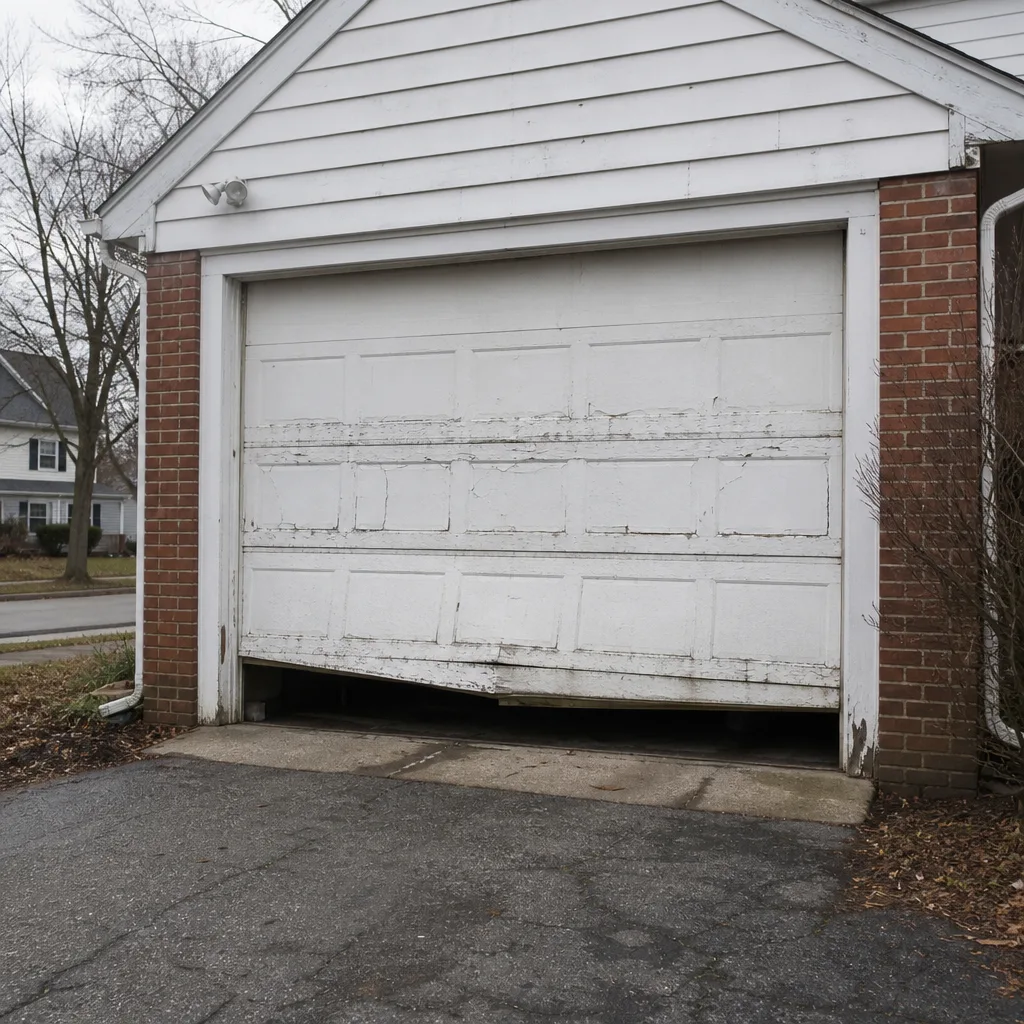 Before
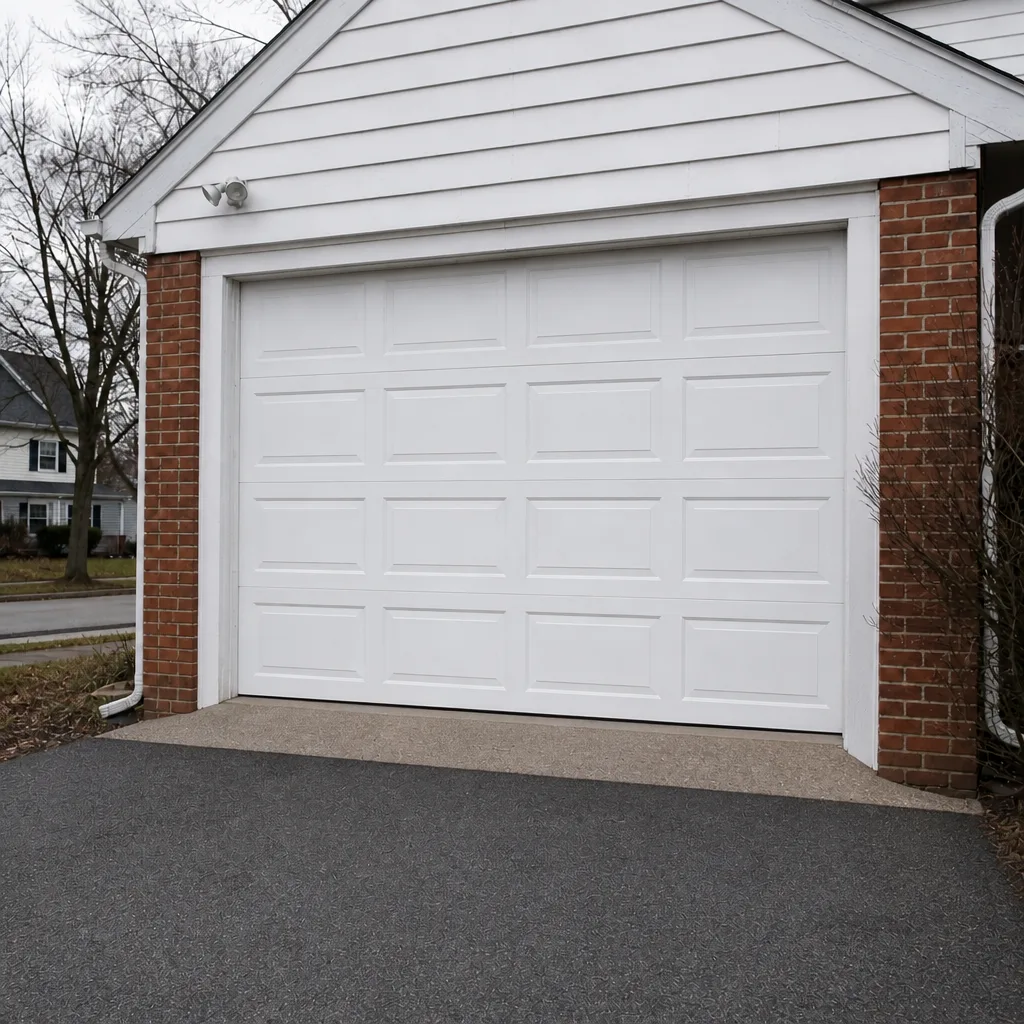 After
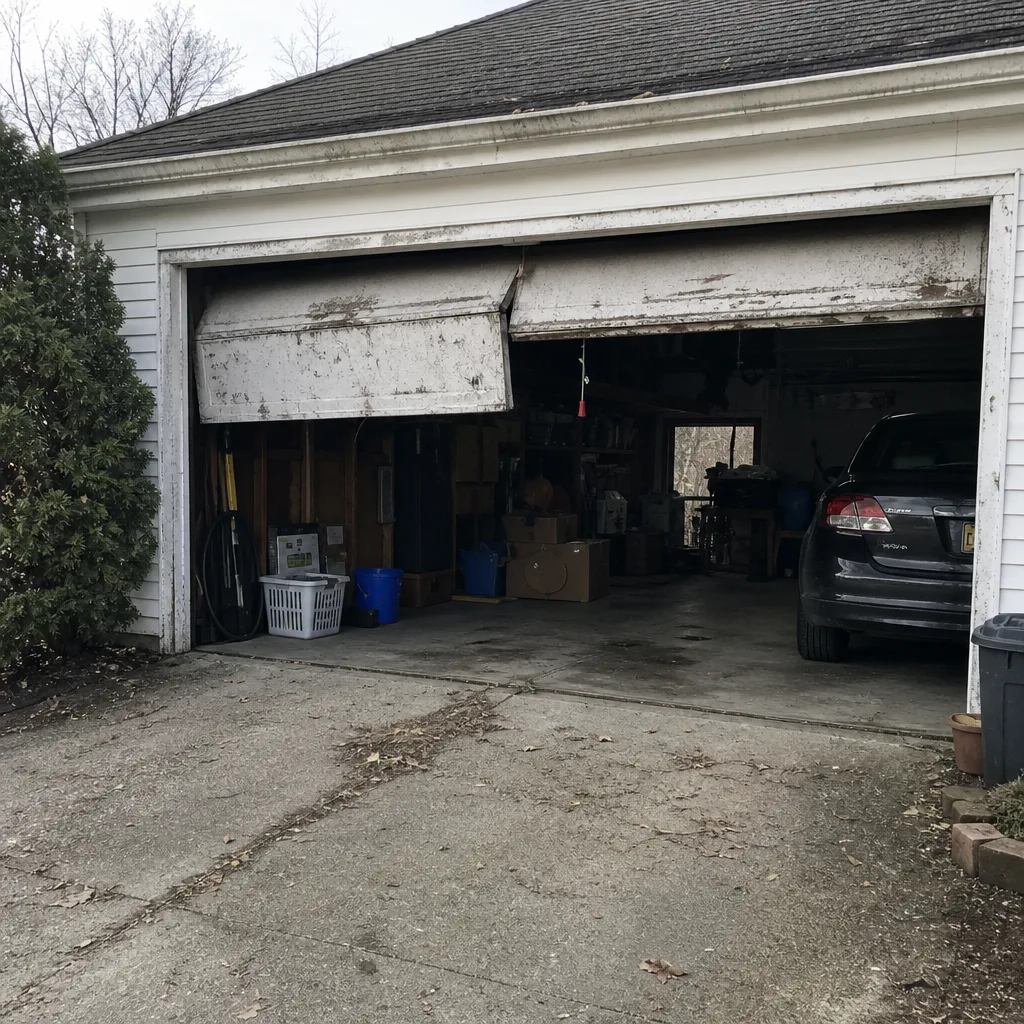 Before
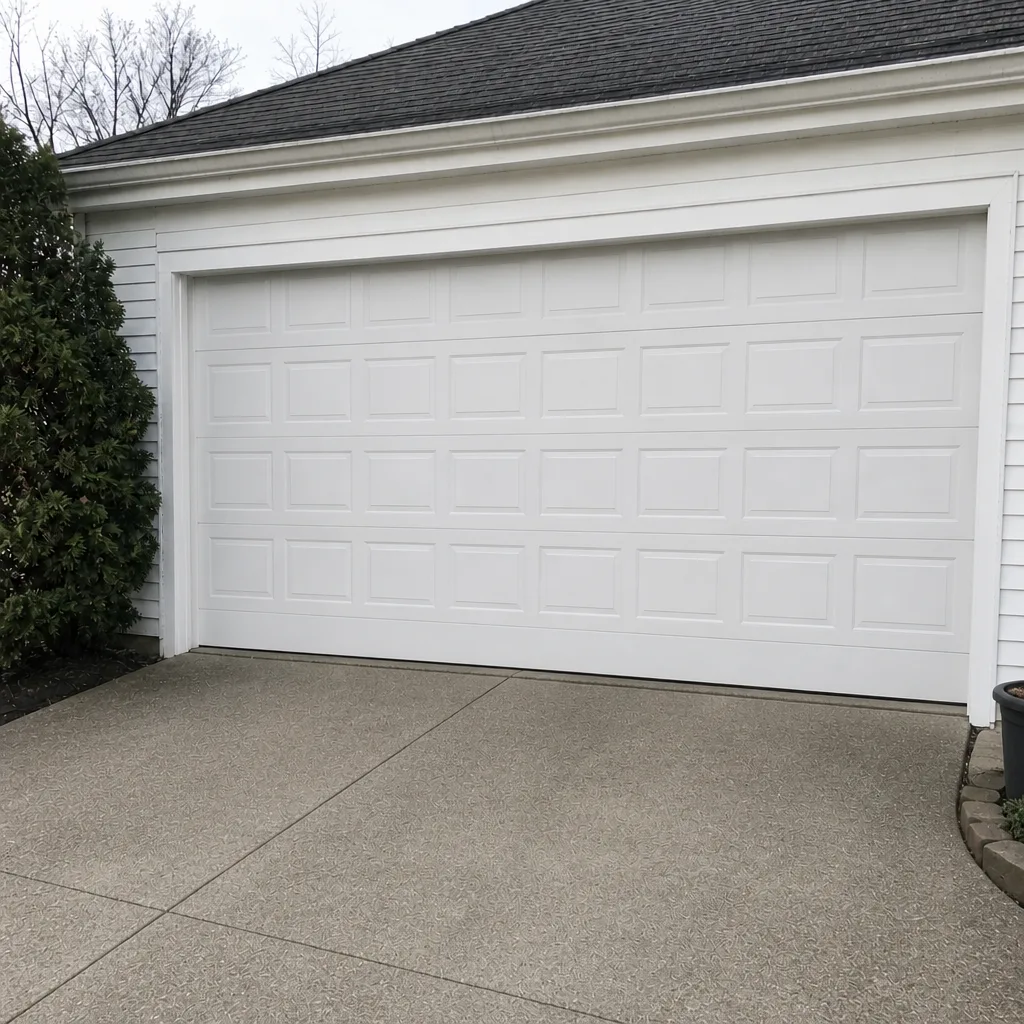 After
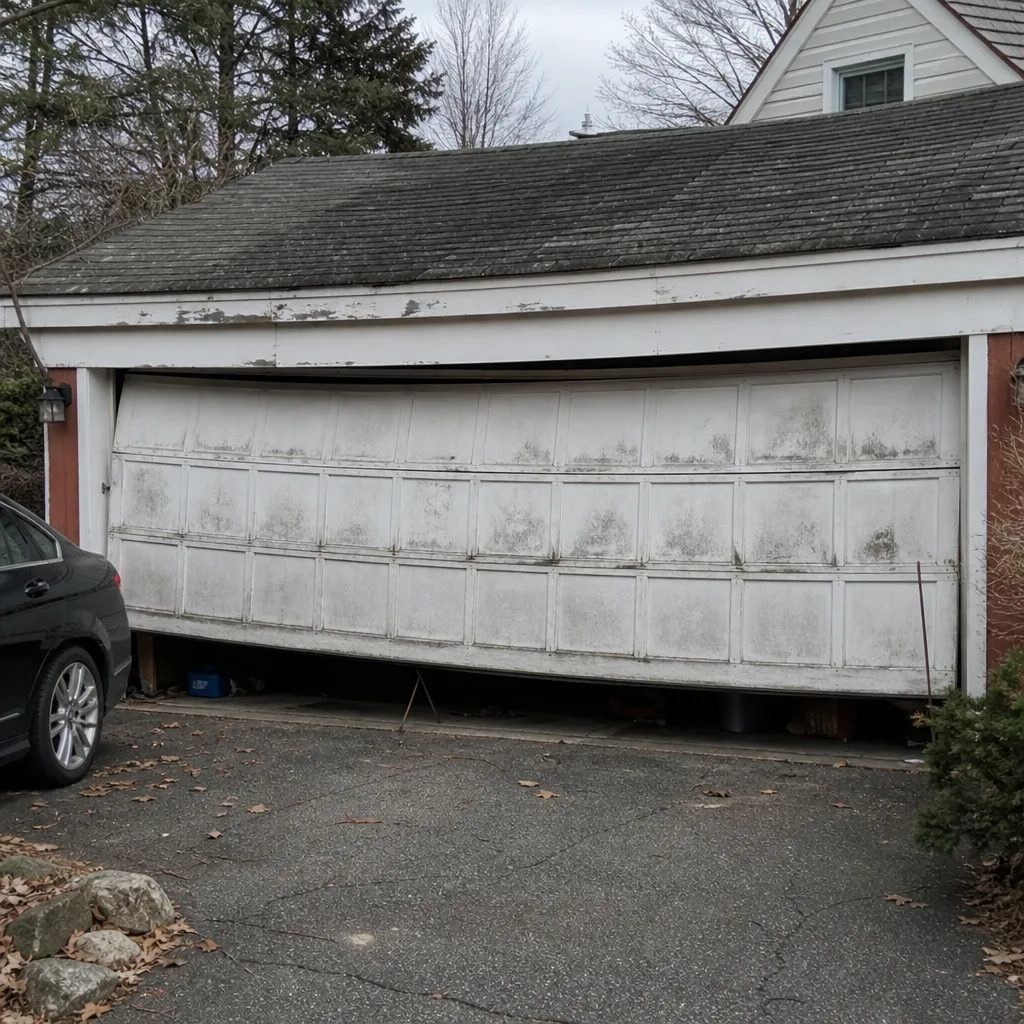 Before
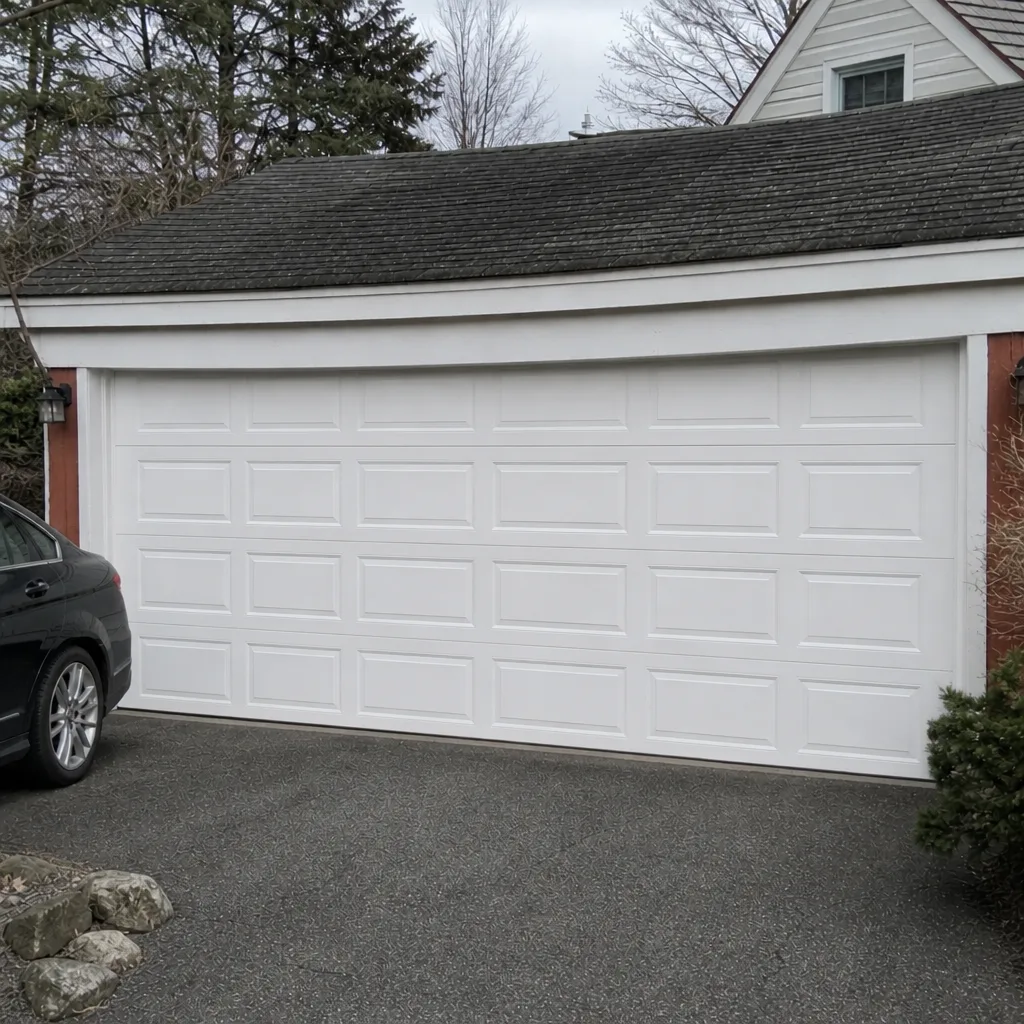 After
Frequently Asked Questions
For most Hyde Park homes, the best brand is the one with strong local parts access and realistic warranty terms, which usually points to widely supported names like Clopay, Amarr, or Wayne Dalton for the door. Pair that with a well-regarded opener from LiftMaster, Chamberlain, Genie, or Craftsman, and you have a system that’s easy to live with and easy to service. Call (877) 716-7297 for a free estimate that fits your specific home.
No, the door brand and opener brand are independent choices, so a Clopay door on a LiftMaster opener is a normal pairing. What matters is compatibility with your existing wiring, safety sensors, and smart home system, plus whether a technician can diagnose the opener when something fails. If you’re unsure whether your current opener will handle a new door, call (877) 716-7297 and we’ll check it.
The simplest way is to ask an installer where the springs, hinges, rollers, and panel sections come from for a given brand, and whether a routine replacement part is stocked locally or requires an order. If the answer is vague, treat that as a warning. The brands with wide local support are the ones where a repair doesn’t turn into a waiting game. Call (877) 716-7297 to ask about parts availability for the brand you’re considering.
No, the written estimate sets the price, and we quote and agree on that price before any work starts. What we measure and check up front is what determines the estimate, so there’s no surprise invoice when the job is finished. Call (877) 716-7297 to schedule a free estimate and get the number in writing.
Often, yes. Many door problems are a failed spring, a worn roller, a bad hinge, or an opener sensor issue, all of which can be repaired on the door you already have. Same door, fixed right is the goal before anyone suggests a full replacement. Call (877) 716-7297 and we’ll diagnose the actual failure first.
The local professionals we connect you with are licensed and insured as their state requires, and our technicians have up to 12 years of experience across the most common brands. What that means in practice is that the person working on your door knows what they’re looking at before they touch anything. Call (877) 716-7297 to book a free estimate.
The Bottom Line
Brand selection matters less than homeowners think and more than contractors often admit. The right door for a Hyde Park home balances parts access in the Boston metro, warranty terms that match real use, and construction that fits whether the garage is attached or detached and single-car or two-car. Treat the opener as a separate decision, ask your neighbor about their door’s service history, and always get the price in writing before work starts. Get the part, get it done, and choose the system you can actually keep running.
Contact
If you’re weighing a brand, comparing a repair to a replacement, or dealing with a door that has stopped behaving, we can help. Hyde Park Garage Door Repair Pros works from the opener to the panel to the spring, on the brand you already have, and we quote the price before we start. Call (877) 716-7297 for a free estimate and a clear answer on what your door actually needs.
Written by the team at Hyde Park Garage Door Repair Pros.