Last updated November 21, 2026
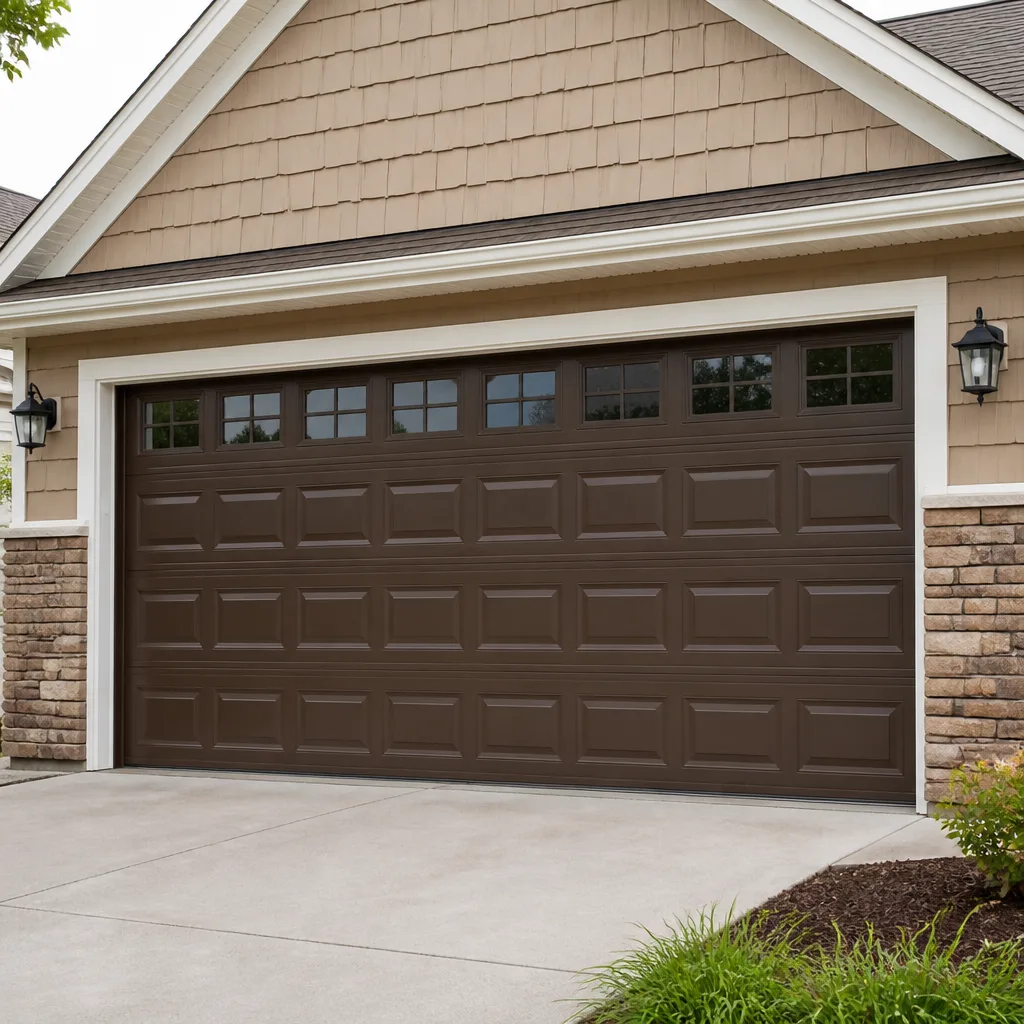 Raised-panel steel
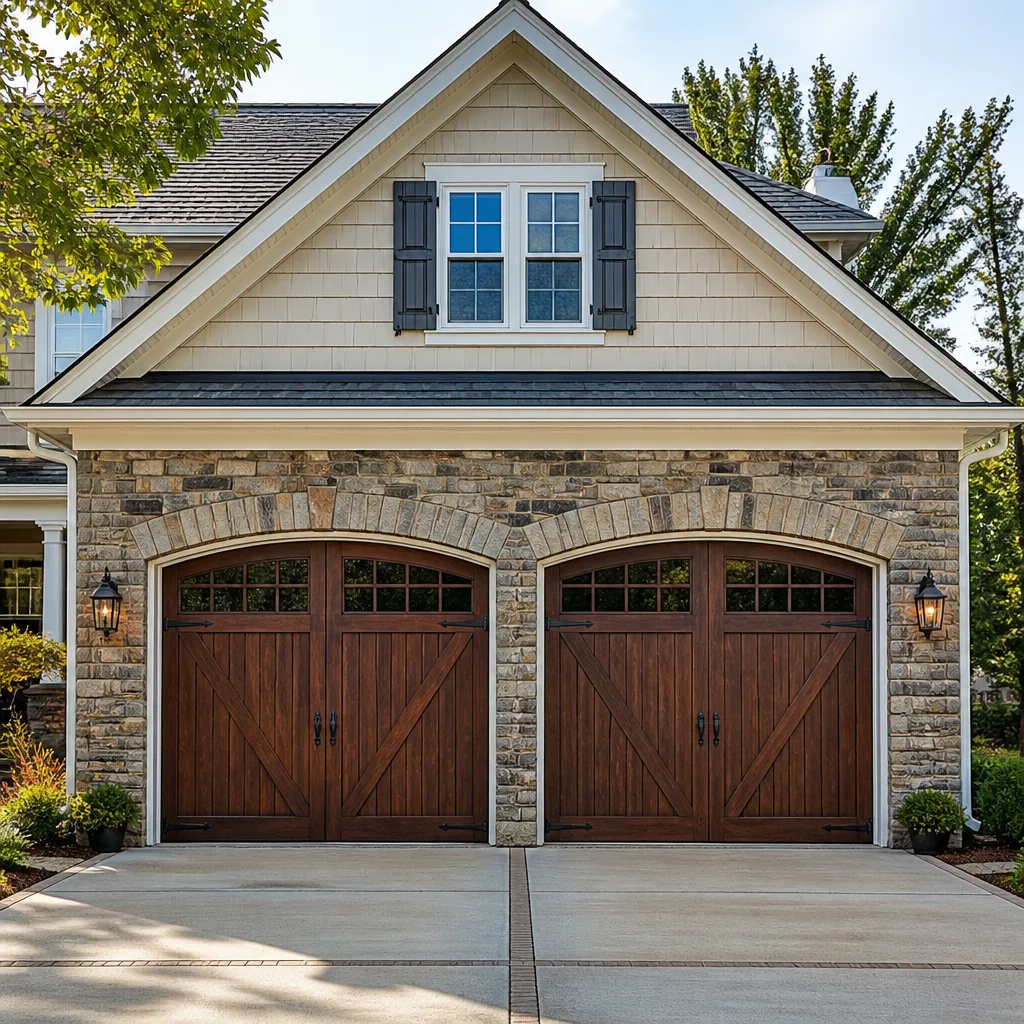 Carriage house
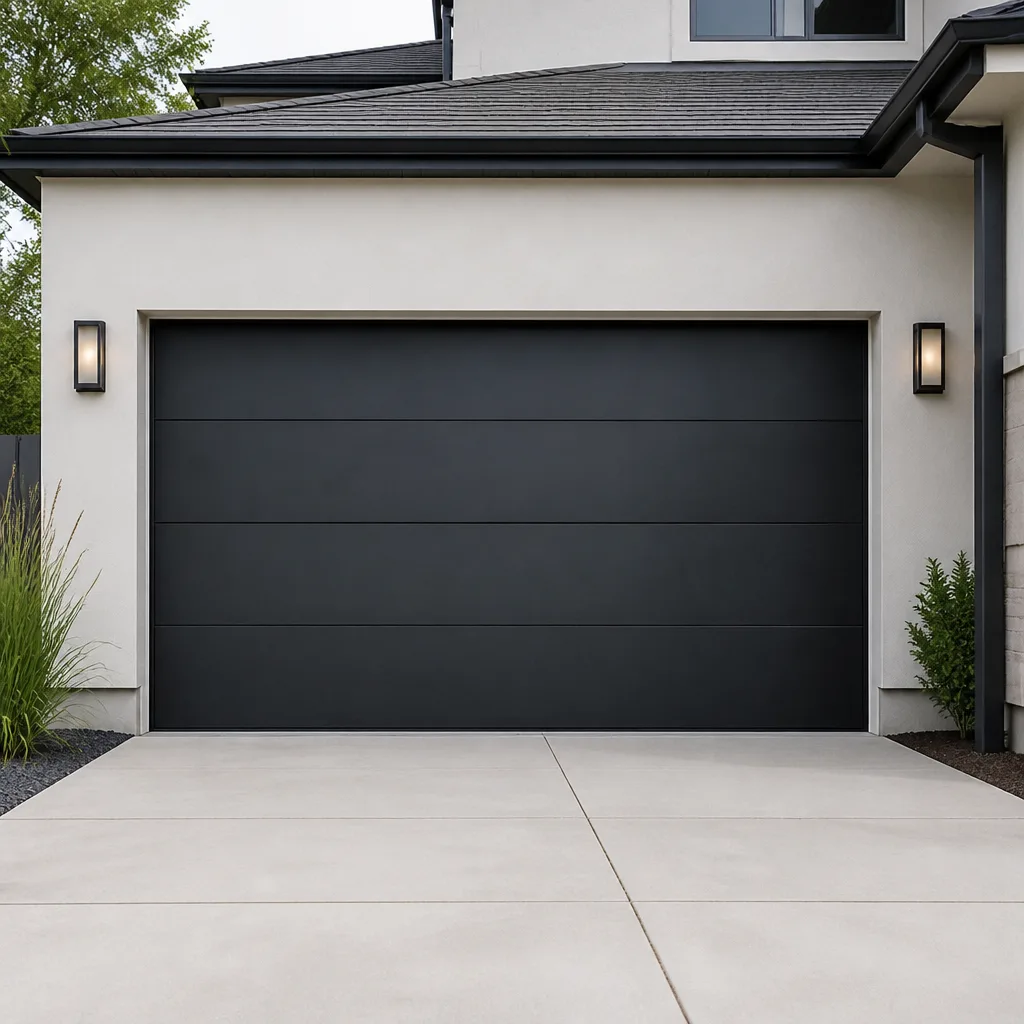 Modern flush
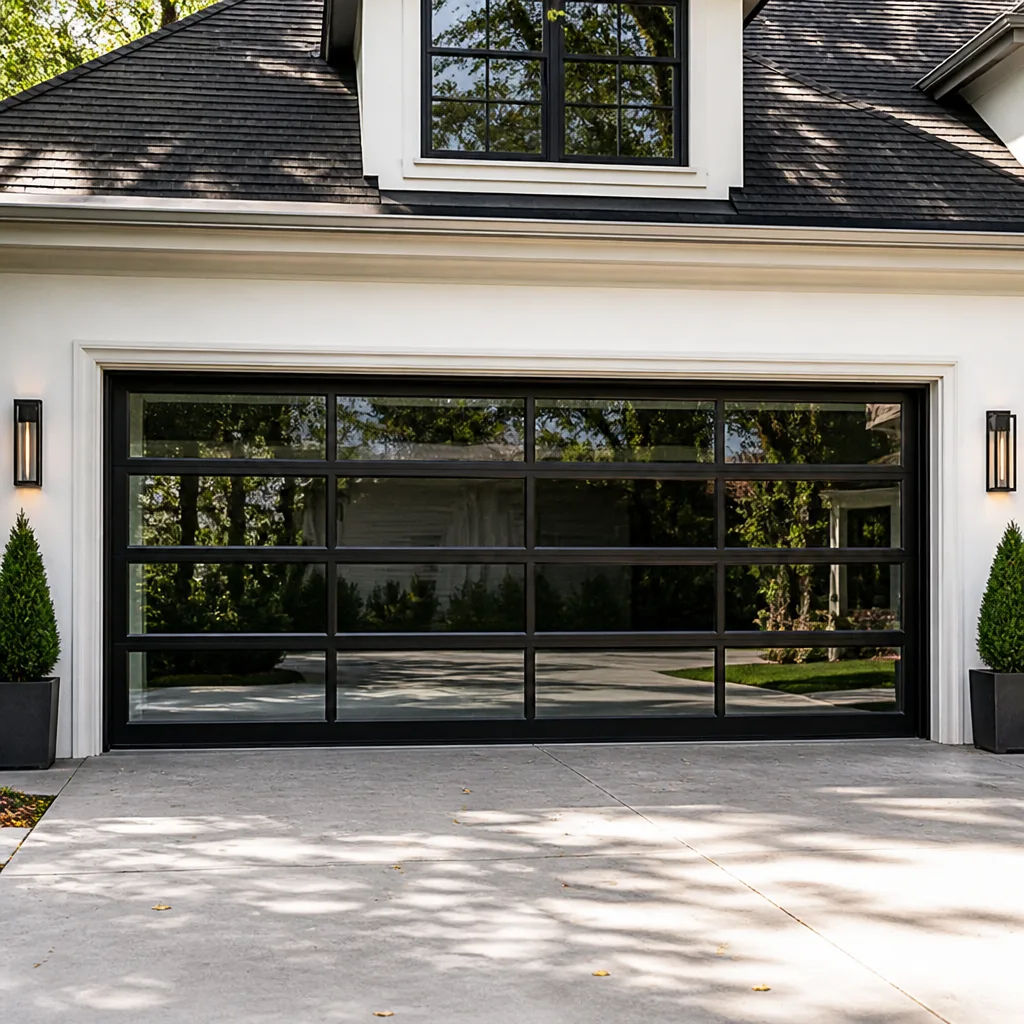 Full-view glass
 LiftMaster openers
 Chamberlain openers
Full 25-point door and opener safety check with every visit - springs, cables, rollers, tracks, and your LiftMaster or Chamberlain opener included
You get a price before we start. It does not change when the pro arrives.
Get your free estimateSeasonal Garage Door Care for Hyde Park: Year-Round Homeowner’s Guide
The failures Hyde Park homeowners call about most in January – frozen bottom seals, sluggish openers, springs that snap on the first cold morning – almost always started as ignored symptoms the previous October. Garage doors don’t break on a schedule. They fail at the end of a slow decline that began months earlier, and the climate here runs that decline through four distinct phases a year. Freeze-thaw, summer humidity, heat expansion and early-fall contraction each go after different components, which is why a checklist that treats every season the same misses the actual weak point. This guide assigns specific actions to each season based on what’s failing and why, so you’re inspecting the right part at the right time of year in Hyde Park.
Quick Answer
Care for a garage door in Hyde Park by treating October as your main service month: lubricate moving parts before the cold, check the bottom seal, and test the auto-reverse safety feature while it still works. Then inspect again after winter for salt-driven cable corrosion and track wear, watch for heat-related opener problems in July, and clear the tree debris that Hyde Park’s canopy drops into tracks and sensor paths. Springs, cables and opener wiring are not DIY territory – those need a trained technician.
Styles & brands we work with
- Raised-panel steel
- Carriage house
- Modern flush
- Full-view glass
- LiftMaster openers
- Chamberlain openers
Table of Contents
- Why Hyde Park’s Climate Creates a Four-Phase Stress Cycle
- Fall in Hyde Park: Why October Is the Most Critical Service Month
- Winter: How Freezing Temperatures Change Spring Tension
- Spring: Post-Winter Inspection Priorities
- Summer: Heat, Opener Logic Boards, and the Slow-Door Myth
- How Hyde Park’s Tree Canopy Affects Tracks and Sensors
- A Simple Monthly Walk-Around for Hyde Park Homeowners
- Matching Care to the Brand You Already Own
Why Hyde Park’s Climate Creates a Four-Phase Stress Cycle
A garage door is a mechanical system made of materials that expand and contract at different rates. Wood, steel, aluminum, rubber and nylon all respond to temperature and moisture differently. A door built for a stable climate holds up for years with minimal attention. A door in Hyde Park goes through a full expansion-contraction cycle roughly four times annually, and each swing puts stress somewhere new.
Here’s how the cycle works in this area:
- Freeze-thaw (late fall into early spring): Water works into small gaps, freezes, expands, and pushes materials apart. This is the phase that cracks seals, widens track gaps and stresses spring steel.
- Humidity (summer): Warm, damp air swells wood panels and encourages corrosion on any bare metal. It also stresses opener electronics that sit in an unconditioned garage.
- Heat expansion (mid-summer): Steel tracks and panels lengthen slightly. Tracks that were perfectly aligned in April can bind in July.
- Early-fall contraction: Everything shrinks back. Loose fasteners show themselves, seals pull away from the floor, and hinges that were quiet all summer start to squeak.
The practical takeaway is that no single inspection catches everything. A door that passes a July check can still fail in January, because the two seasons attack opposite ends of the system. Hyde Park doors live through this cycle every year, which is why a seasonal rhythm beats a once-a-decade tune-up. If your door has skipped a few cycles, a garage door repair visit is the place to reset the baseline.
Fall in Hyde Park: Why October Is the Most Critical Service Month
October is the month that decides how your door behaves in January. Everything you do in fall is preventative; everything you skip becomes a winter repair. The logic is simple – once temperatures drop below freezing, lubricants thicken, rubber stiffens, and any small problem you could have fixed comfortably in mild weather becomes urgent.
Three tasks matter most in October:
- Lubricate before the cold. The hinges, rollers, and the torsion or extension springs all benefit from a proper garage-door lubricant (not WD-40, which is a solvent, not a lasting lubricant). Cold weather makes already-dry metal bind, and binding parts put extra load on the opener. Do this while the door still moves freely so the lubricant can work into the joints.
- Check the bottom seal. The rubber seal along the bottom of the door is the first line of defense against drafts, water and pests. Run your hand along it – if it’s cracked, stiff or leaving gaps when the door is closed, replace it before the freeze-thaw season pushes water underneath. A worn seal also lets cold air in, which matters more here than in milder climates.
- Test the auto-reverse safety feature. Every garage door opener manufactured after 1993 has a safety reverse system, either a pressure sensor or photoelectric eyes (usually both). Test the pressure reverse by placing a piece of wood flat on the floor under the closing door – the door should reverse on contact. Test the photoelectric eyes by waving an object through the beam while the door closes. If either fails, the door should not be operated until it’s fixed.
Our technicians have up to 12 years of experience, and the pattern is consistent: the winter calls we get about doors that won’t close are almost always a safety sensor or seal issue that was visible in October. A few minutes of inspection in fall is a fraction of the cost of an emergency call in a cold snap. Fall is also the right time to look at the opener itself – if it’s been hesitating or the remote is losing range, address it now rather than in February. Our garage door opener repair service covers both modern WiFi-enabled units and older legacy systems from LiftMaster, Chamberlain, Genie and Craftsman.
Winter: How Freezing Temperatures Change Spring Tension
Cold weather changes how a torsion spring behaves. Spring steel is designed to hold tension across a range, but as temperatures drop, the metal contracts slightly and the spring becomes marginally stiffer. That stiffness translates to more load on the opener and more stress on the spring itself. If a spring was already weakened by age or previous cycles, a freezing morning is often the moment it gives.
So what do you do when the door won’t open on a cold Hyde Park morning? Start with the simple, safe checks:
- Does the opener run but the door doesn’t move? That points to a broken spring, a snapped cable or a disengaged manual release. Do not force it.
- Does the opener click or hum but nothing happens? Check the power, then the safety sensors – snow, ice or debris on the eyes can hold the door in a stopped state.
- Is the door frozen to the floor? The bottom seal can ice to the concrete. Never yank the door open to break the ice – that can damage the seal, the bottom panel or the opener’s drive gear. A gentle application of warm (not boiling) water along the seal is the safe approach.
What not to do is just as important. Never try to adjust, tighten or replace a torsion spring yourself. These springs are under high tension even when the door is closed, and a sudden release can cause serious injury. Cables under tension are equally dangerous. Springs are not a DIY job – that’s a hard line, not a cautious suggestion. If the door won’t open and you suspect a spring or cable, stop operating it and call. Keep your car clear of the door path while you wait.
Winter is also when Hyde Park’s road treatment matters. Road salt gets tracked into the garage and onto the door’s lower tracks and cables, where it accelerates corrosion. A quick rinse of the lower track and a wipe of exposed cable at the end of winter gets salt residue off before it does lasting damage. That maintenance step leads directly into spring inspection.
Spring: Post-Winter Inspection Priorities
Spring is when you find out what winter did. Two problems top the list in Hyde Park: cable corrosion from road salt intrusion, and roller wear from tracks that were pushed by freeze-thaw expansion.
Start with the cables. On a standard torsion system, the lift cables run down each side of the door. If they show rust, fraying or a buildup of white salt residue, they’re weakening. A frayed cable is a serious safety issue – it can snap under load, and a door hanging on one cable can drop. Do not lubricate a frayed cable as a fix. Have it inspected and replaced by a technician.
Next, look at the rollers and tracks. Winter freeze-thaw opens small gaps in the track joints, and rollers can ride unevenly when the track has shifted. Rollers that have flat spots, or nylon rollers that have become brittle from cold, will drag. A dragging roller puts extra strain on the opener and makes the door noisy. This is a good time for a visual check of the hinges too – loose hinge screws are a classic spring finding.
Then test the safety reverse again, since ice and salt won’t have helped the sensors. And check the opener’s force settings – many openers have an adjustable force limit, and if it’s set high to compensate for a dragging door, it should be reset after the door is running smoothly again.
If your inspection finds frayed cables, bent tracks or a door that’s out of balance, a garage door repair professional can correct it before summer heat adds its own stress. The core parts – springs, cables, rollers, hinges and weather seal – are covered as a direct service, which is why we keep parts accessible. Get the part, get it done, and move on with your season.
Summer: Heat, Opener Logic Boards, and the Slow-Door Myth
Here’s a diagnostic point worth understanding. When a garage door slows down in July, the instinct is to blame the springs. In many cases the actual cause is the opener. Heat is hard on the logic board and motor inside an unconditioned garage, and a board that’s been heat-stressed can send inconsistent signals to the motor – the door runs, but slowly or intermittently. Springs that are working normally don’t change speed with temperature the way electronics do.
How to tell the difference in general terms:
- Spring problem: the door is hard to lift by hand, sags on one side, or won’t stay open at the halfway point. The door is out of balance.
- Opener problem: the door moves freely by hand but the opener runs it slowly, stops partway, reverses randomly, or responds intermittently to the remote. That’s a motor, board or sensor signal issue.
Modern openers from LiftMaster, Chamberlain and Genie have self-diagnostic features and status lights that can point to the fault. Reading those codes is one of the quicker ways to separate an opener issue from a door issue. Our garage door opener repair team works on both current smart units and legacy models, so the diagnosis fits the equipment you already have rather than assuming it needs to be replaced.
Summer is also the season for heat expansion in the tracks. A steel track that aligned fine in spring can bind in high heat. If the door binds or the opener strains during hot afternoons, a track adjustment may be all that’s needed. Don’t turn up the opener’s force setting to muscle through a binding track – that hides the problem and wears the opener out faster. The actual fix is the track.
How Hyde Park’s Tree Canopy Affects Tracks and Sensors
Hyde Park’s tree canopy is one of the things that makes the neighborhood distinctive, and it’s also a garage door maintenance factor a generic seasonal guide won’t mention. Trees drop debris year-round – leaves in fall, small twigs and seedpods in spring and summer – and much of it lands in exactly the places where it causes trouble.
The two problem spots:
- The tracks: Debris collects in the lower corners of the vertical tracks and along the horizontal curves. Small twigs and packed leaves can jam a roller, which makes the door bind, which strains the opener. Clearing the tracks with a soft brush or compressed air (not a sharp tool) is a quick win, especially after a windy stretch.
- The photoelectric sensors: The safety eyes sit a few inches above the floor on each side of the door opening, right at the height where leaves and light debris pile up. A single leaf or twig resting on a sensor lens blocks the beam, and the door won’t close. It’s worth knowing where your sensors are and checking them whenever the door refuses to close. A blocked sensor is the most common reason a door that opens fine won’t close.
Tree cover also affects sensor alignment in a different way – mature trees create shade patterns that can interact with sunlight angles at certain times of day, which occasionally causes a sensor to misread. If the door only fails to close at a specific time on a sunny day, sun interference on the sensor is a plausible cause. Repositioning or shading the sensor resolves it. In a neighborhood with this much greenery, cleaning tracks and wiping sensor lenses a few extra times a year is a small habit that prevents most “door won’t close” calls. If track cleaning doesn’t fix a binding door, a garage door repair visit can check for a bent track or a worn roller behind the jam.
See the difference
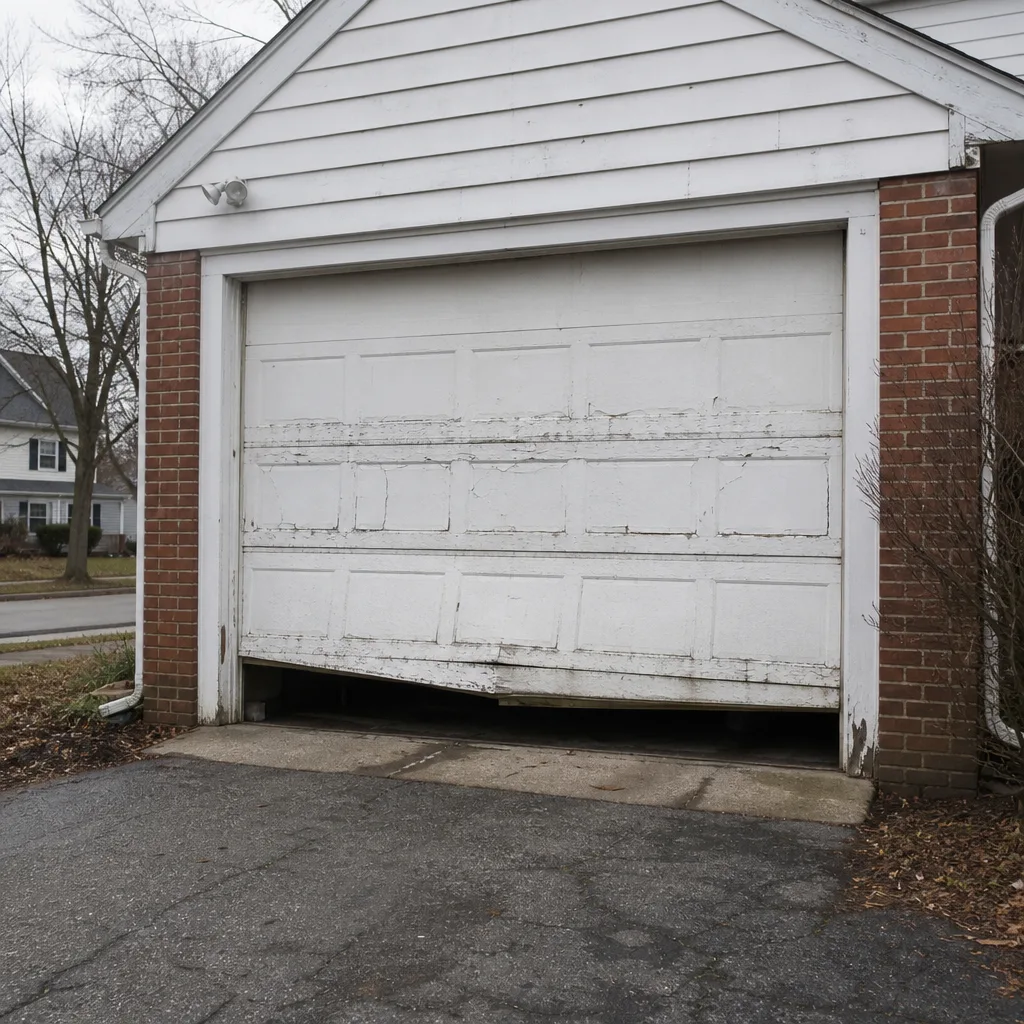 Before
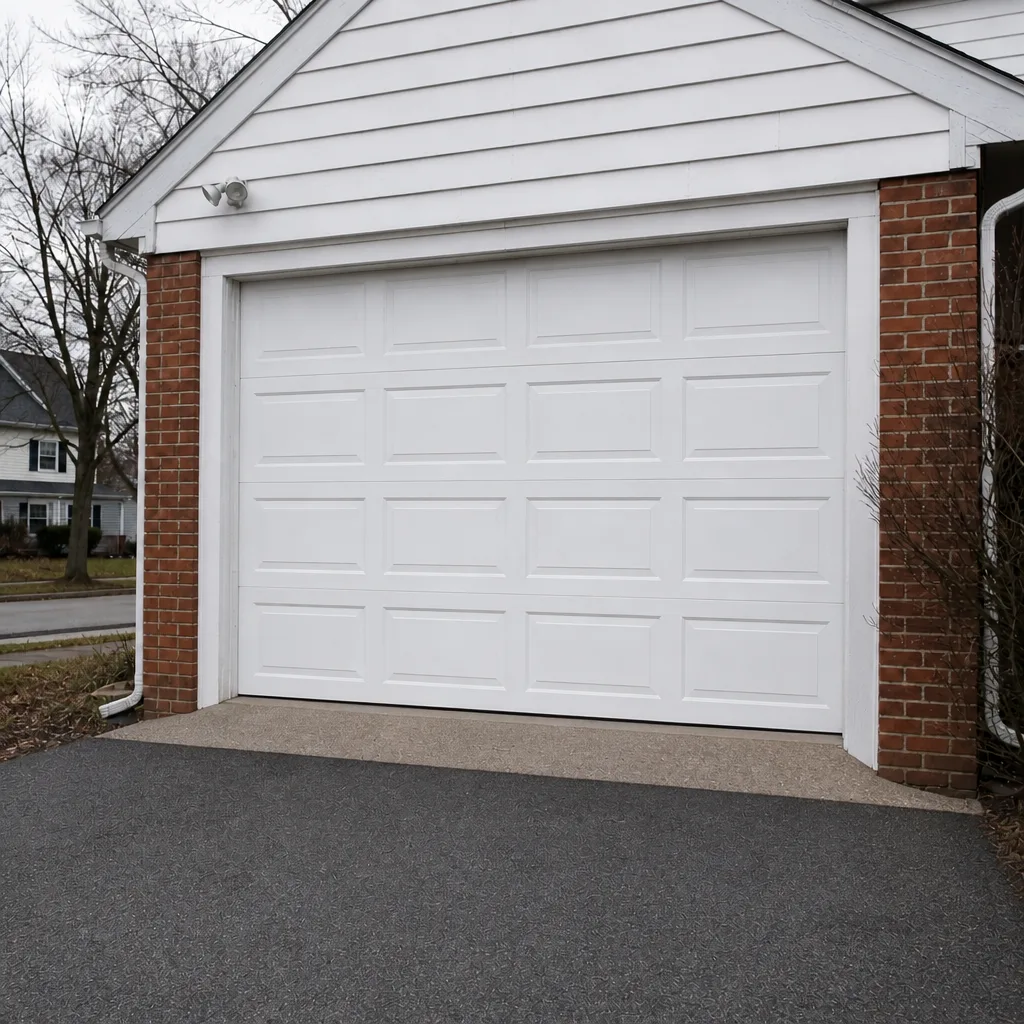 After
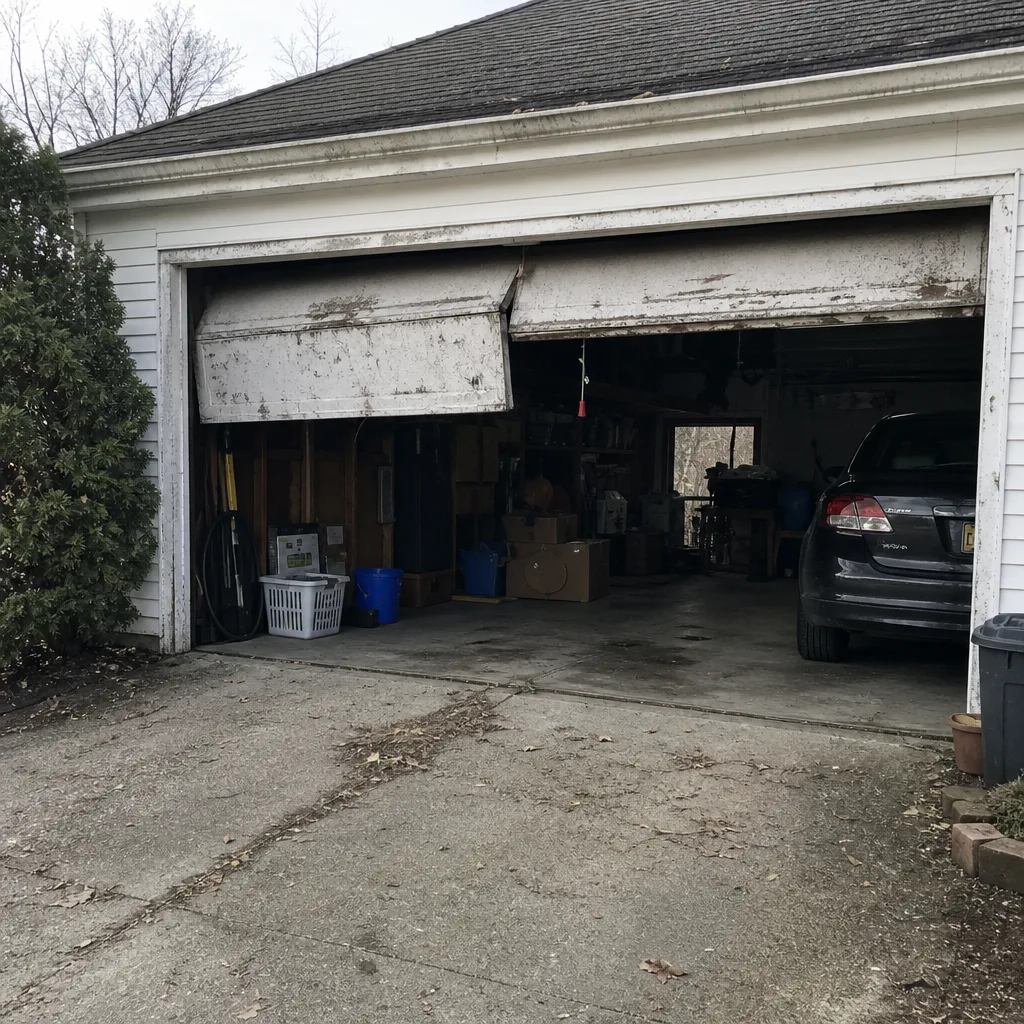 Before
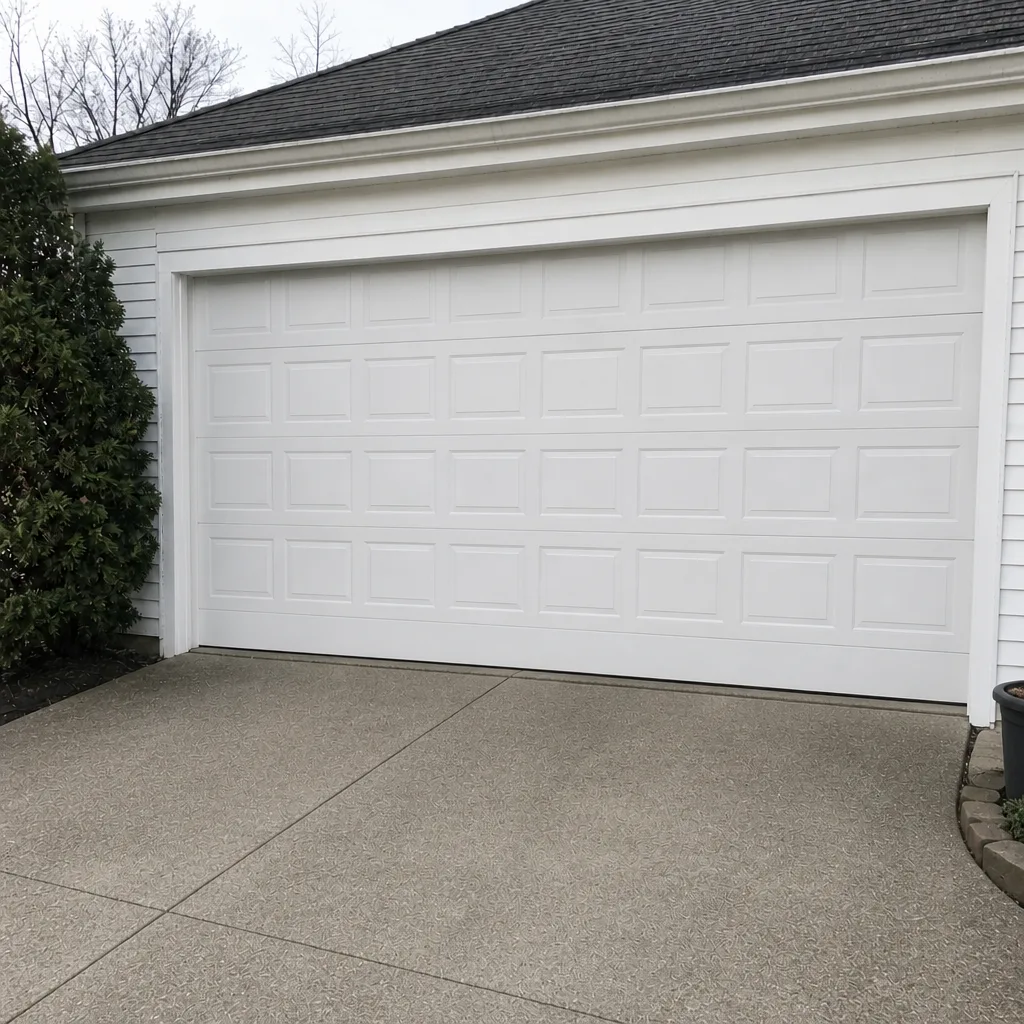 After
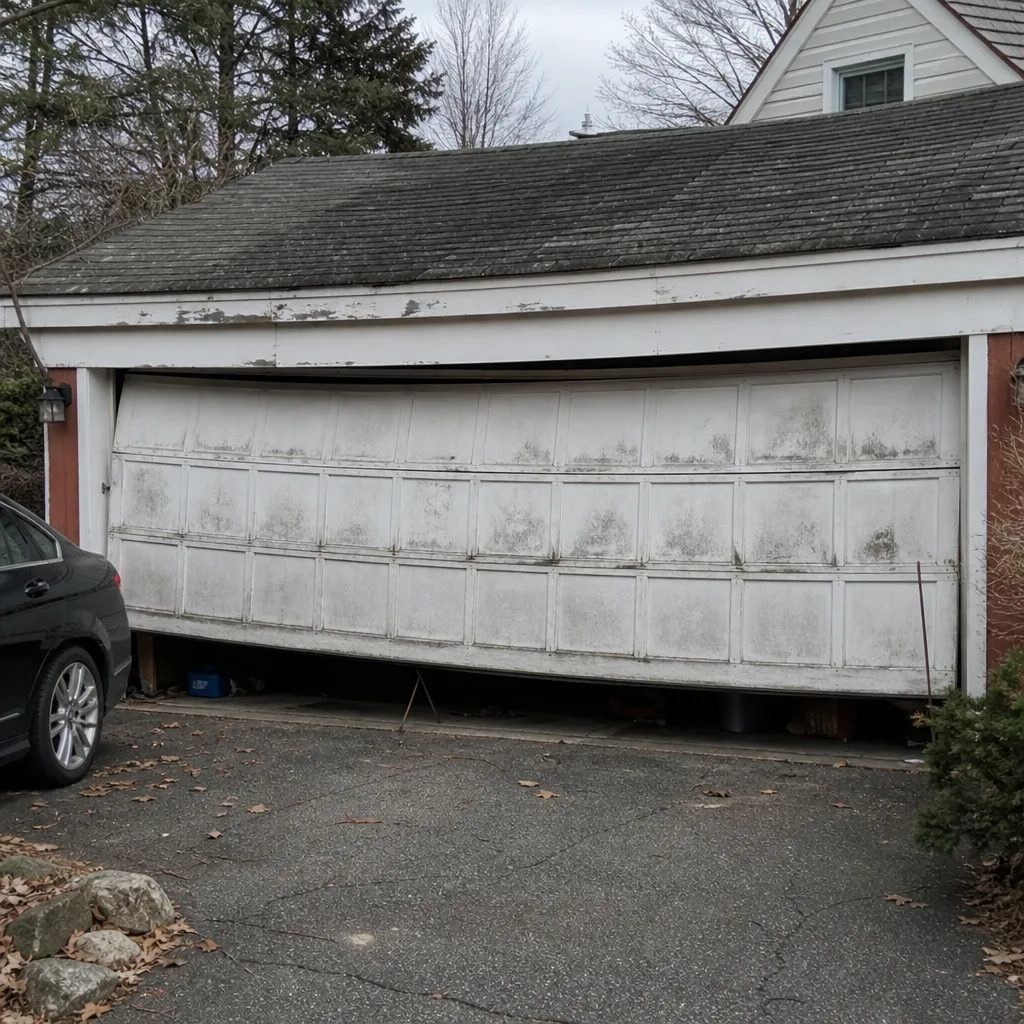 Before
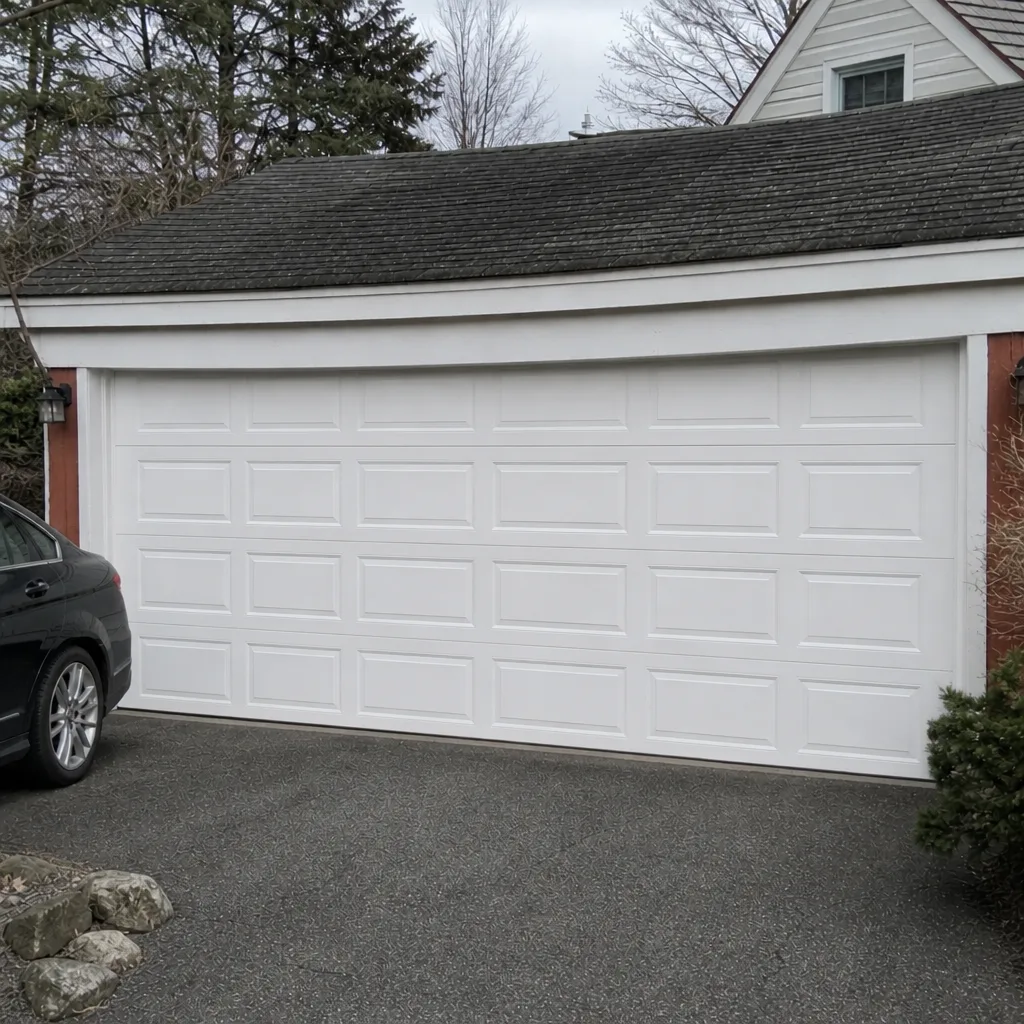 After
A Simple Monthly Walk-Around for Hyde Park Homeowners
You don’t need to become a garage door technician to protect your door. A short monthly inspection catches most of the problems seasonal cycles create. Keep it to five minutes and do it on the same day each month.
- Listen. Open and close the door and listen for grinding, squealing or popping. New noises are your earliest warning.
- Look at the balance. Disconnect the opener (use the manual release), lift the door halfway by hand, and let go. A balanced door stays put. A door that drifts down or up is out of balance – usually a spring issue.
- Check the safety reverse. Put a piece of wood under the closing door and confirm it reverses on contact. Wave an object through the sensor beam and confirm the door reverses.
- Inspect the bottom seal. Look for cracks, stiffness or gaps when the door is closed.
- Clear the tracks and sensors. Brush out debris and wipe the sensor lenses, especially after windy weather or heavy leaf drop.
- Test the remote and wall control. Confirm they work reliably from your normal approach distance. A reducing range often signals a battery or board issue.
Log what you find. Patterns emerge over a year – a door that’s fine all summer but needs the seal checked every October is telling you something about how freeze-thaw is affecting your specific seal and threshold. When something moves from “cosmetic” to “affects operation,” that’s the point to call, not the point to keep watching. For a full new door rather than maintenance, our garage door installation service covers replacement and new installs for Clopay, Amarr, Wayne Dalton, Raynor and other major brands.
Matching Care to the Brand You Already Own
The seasonal routine is the same across brands, but the troubleshooting details differ. Knowing what your opener or door is can save you an unnecessary service call and help any technician diagnose faster.
- Chamberlain and LiftMaster: These share a manufacturing parent, so many parts and diagnostic behaviors overlap. Chamberlain and LiftMaster openers often use a status light code system that can narrow down a fault quickly. Both handle seasonal temperature swings well, but the logic boards are still sensitive to garage heat in summer.
- Genie: Genie openers have their own diagnostic light sequences and force adjustments. Older Genie units in particular benefit from a spring check of their drive components.
- Clopay and Amarr: These door manufacturers produce a wide range of panel and hardware systems. The care task for a Clopay or Amarr door depends on the material – steel panels need attention to hinges and bottom seals, while wood-composite panels respond more to humidity, which makes the summer phase especially relevant.
We work on the brand you already have rather than steering you toward a particular manufacturer. That means we cover LiftMaster, Chamberlain, Genie, Clopay, Amarr, Wayne Dalton, Craftsman and Raynor, and we can match parts to the system in your garage. If you’re unsure what you have, the model plate on the opener or a photo of the door hardware is usually enough to identify it. Our parts service helps here too – sourcing the right component directly reduces the wait that otherwise stretches a repair into a second visit.
Common Mistakes to Avoid
- Waiting until the door fails to think about maintenance. In Hyde Park, the October inspection is the one that prevents the January call. Skipping fall is the single most expensive habit on this list.
- Using WD-40 as a lubricant. It’s a solvent that displaces moisture but doesn’t leave lasting lubrication. Use a proper garage-door lubricant for hinges, rollers and springs, and re-apply before cold weather thickens whatever’s on the parts.
- Turning up the opener’s force setting to get past a dragging door. This masks a binding track or worn roller and wears out the opener. Fix the underlying drag, then reset the force.
- Forcing a frozen door open. A bottom seal iced to the floor will break if you pull hard. Warm it gently and let it release; don’t force it and don’t yank the manual release under load.
- Poking at the safety sensors with a screwdriver or sharp tool. The lenses scratch easily. Use a soft cloth and check the mounting brackets instead. A scratched lens can misread for years.
- Assuming a slow July door means new springs. In warm months a slow door is often an opener motor or board issue, especially if the door moves freely by hand. Diagnose before you replace.
- Trying to adjust or replace a torsion spring. This is the one mistake that can cause serious injury. Springs and cables under tension belong to a trained technician, always.
When to Call a Professional
Call a professional for anything involving springs, cables, opener wiring or a door that’s out of balance. Those are the parts where an amateur repair risks injury or a much larger failure. Specific scenarios that warrant a call in Hyde Park: the door won’t open on a cold morning and you suspect a spring; the door closes partway and reverses repeatedly despite clean sensors; you hear popping or grinding when the door moves; the opener runs but the door doesn’t move; a cable shows rust or fraying; or the door sags on one side. Hyde Park Garage Door Repair Pros offers free estimates in Hyde Park – call (877) 716-7297. We diagnose the actual failure before recommending repair, and the written estimate sets the price before any work starts.
Frequently Asked Questions
October is the most important month. Lubricating moving parts before the cold, checking the bottom seal, and testing the auto-reverse function in fall prevents most of the winter failures we see. The fall inspection is preventative; waiting until the door fails in January turns a small fix into an urgent repair.
Summer slowdowns are usually opener problems, not spring problems. Heat stresses the logic board and motor inside an unconditioned garage, which can cause the door to run slowly or intermittently. Test by lifting the door by hand with the opener disengaged – if it moves freely, the springs are likely fine and the opener is the suspect. Call (877) 716-7297 for a diagnosis and free estimate.
Check for ice binding the bottom seal, snow or debris on the safety sensors, and whether the opener runs but the door doesn’t move. If the opener runs and the door stays put, suspect a broken spring or cable – stop operating the door and call a technician. Never force a frozen door open or attempt a spring repair yourself. Call (877) 716-7297 to schedule an inspection.
Lubricate hinges, rollers and springs at least twice a year, with one of those applications timed for October before the cold. Doors in heavy-use households or doors in older garages can benefit from a third application in spring after winter. Use a proper garage-door lubricant, not a penetrating solvent.
Yes. A frayed lift cable can snap under load, and a door hanging on a single cable can drop. Rust, fraying or salt buildup on a cable means it should be inspected and replaced by a technician. Do not lubricate or tape a frayed cable as a workaround – call (877) 716-7297 for an inspection.
You can safely handle lubrication, bottom seal checks, track debris clearing, sensor cleaning and the auto-reverse test yourself. Springs, cables, opener wiring, and any adjustment to track geometry or spring tension should go to a trained technician. If your inspection turns up frayed cables, bent tracks or a door that’s out of balance, call (877) 716-7297 for a free estimate.
The Bottom Line
Hyde Park’s four-phase climate means your garage door faces a different stressor each season, and the failures you see in January were set in motion in October. Fall is for lubricating, seal checks, and safety tests. Winter is for knowing the warning signs of a failing spring and not forcing anything. Spring is for finding the cable corrosion and roller wear winter left behind. Summer is for diagnosing heat-related opener problems before misattributing them to the springs. Add the neighborhood’s tree canopy to the list – clear tracks and clean sensors. Handle the safe tasks yourself, call a professional for the spring, cable and opener work, and keep the routine simple enough to actually repeat.
Contact Us
If a seasonal check turns up something that needs a trained eye, we’re here to help. Hyde Park Garage Door Repair Pros offers free estimates in Hyde Park – call (877) 716-7297 to schedule an inspection or ask about a specific door. We work on the brands you already have, from Clopay and Amarr doors to LiftMaster, Chamberlain and Genie openers, and we’ll tell you what’s failing and why before any work begins. Call (877) 716-7297 for a free estimate and a clear, fixed price.
Written by the team at Hyde Park Garage Door Repair Pros.