Last updated November 21, 2026
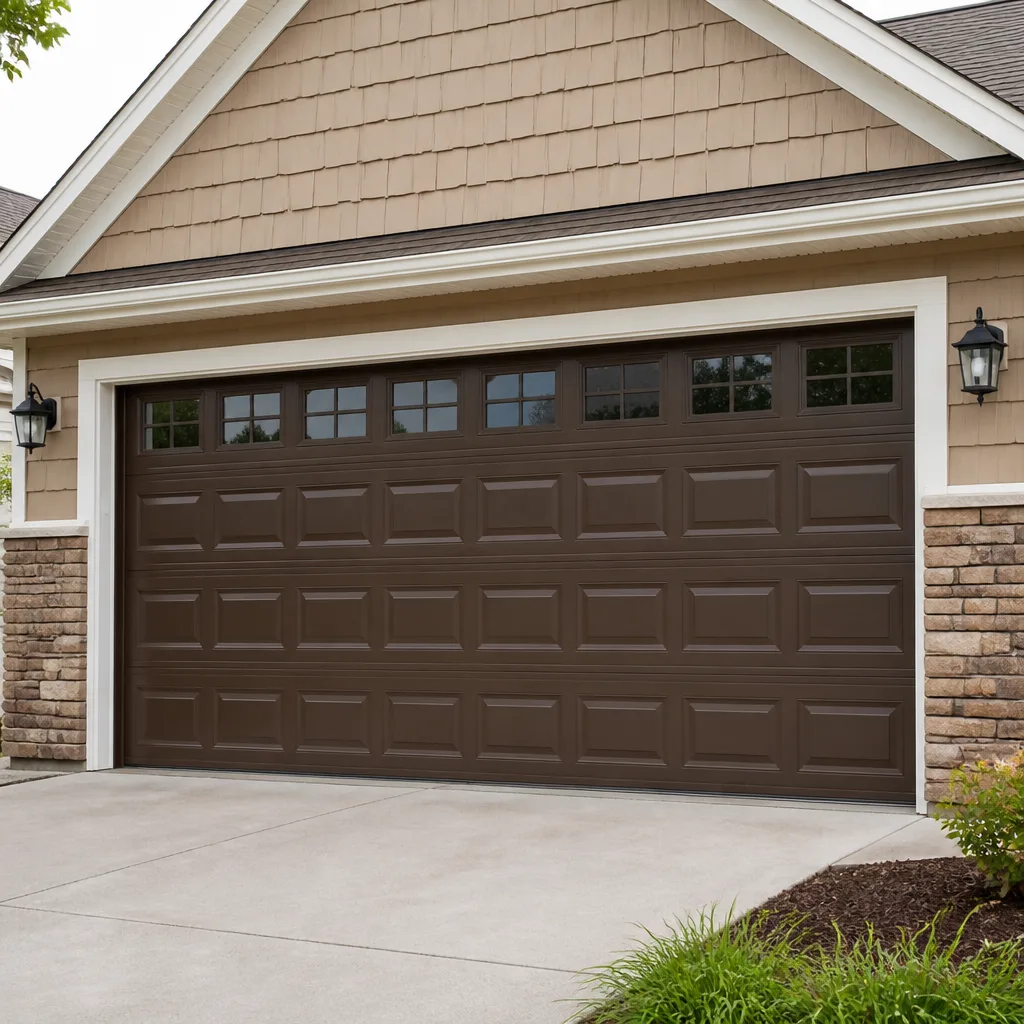 Raised-panel steel
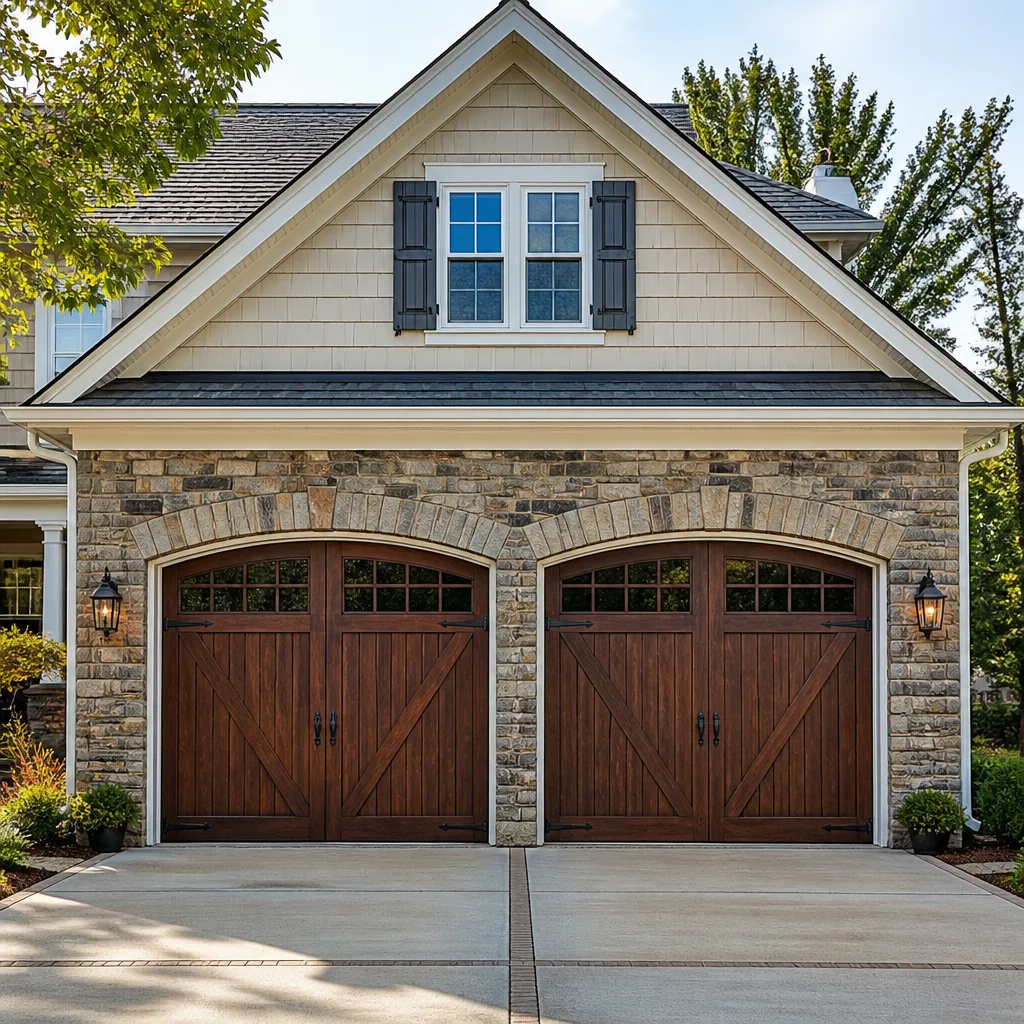 Carriage house
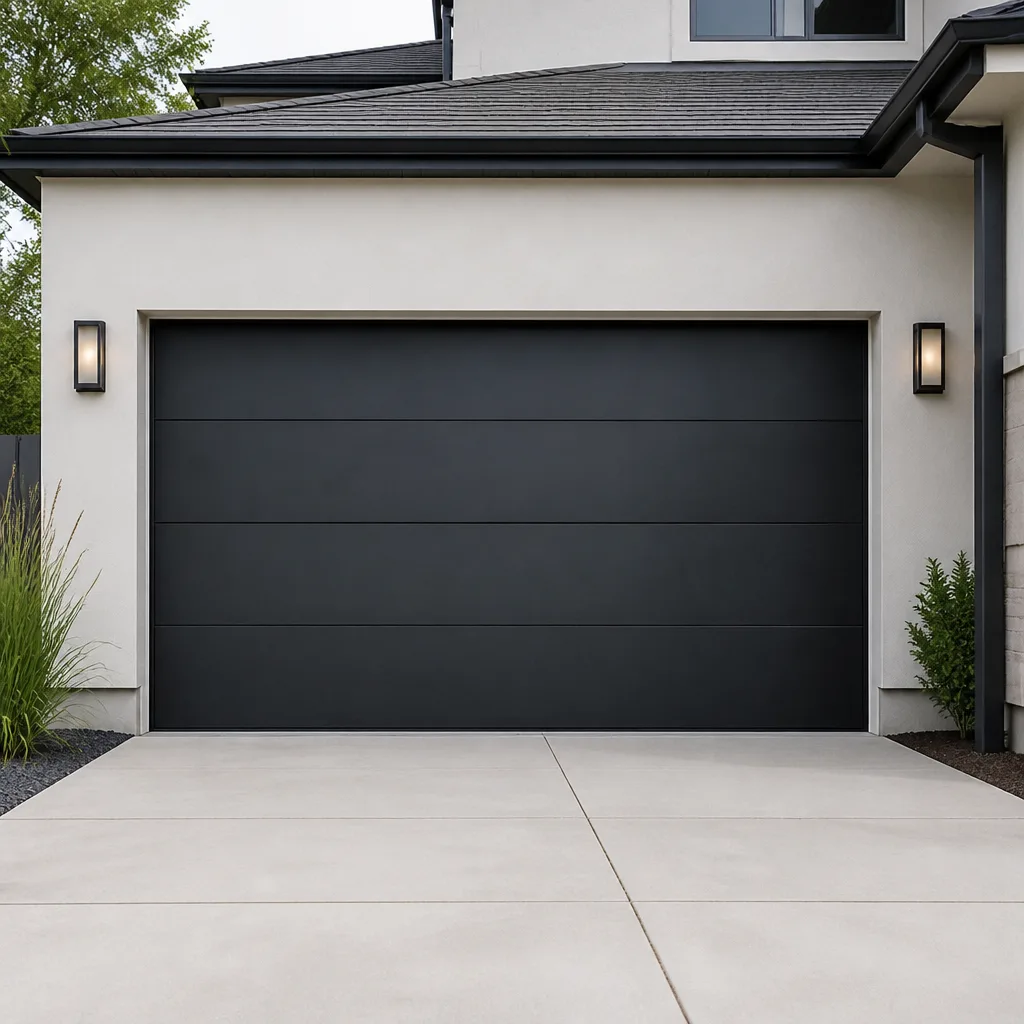 Modern flush
 Full-view glass
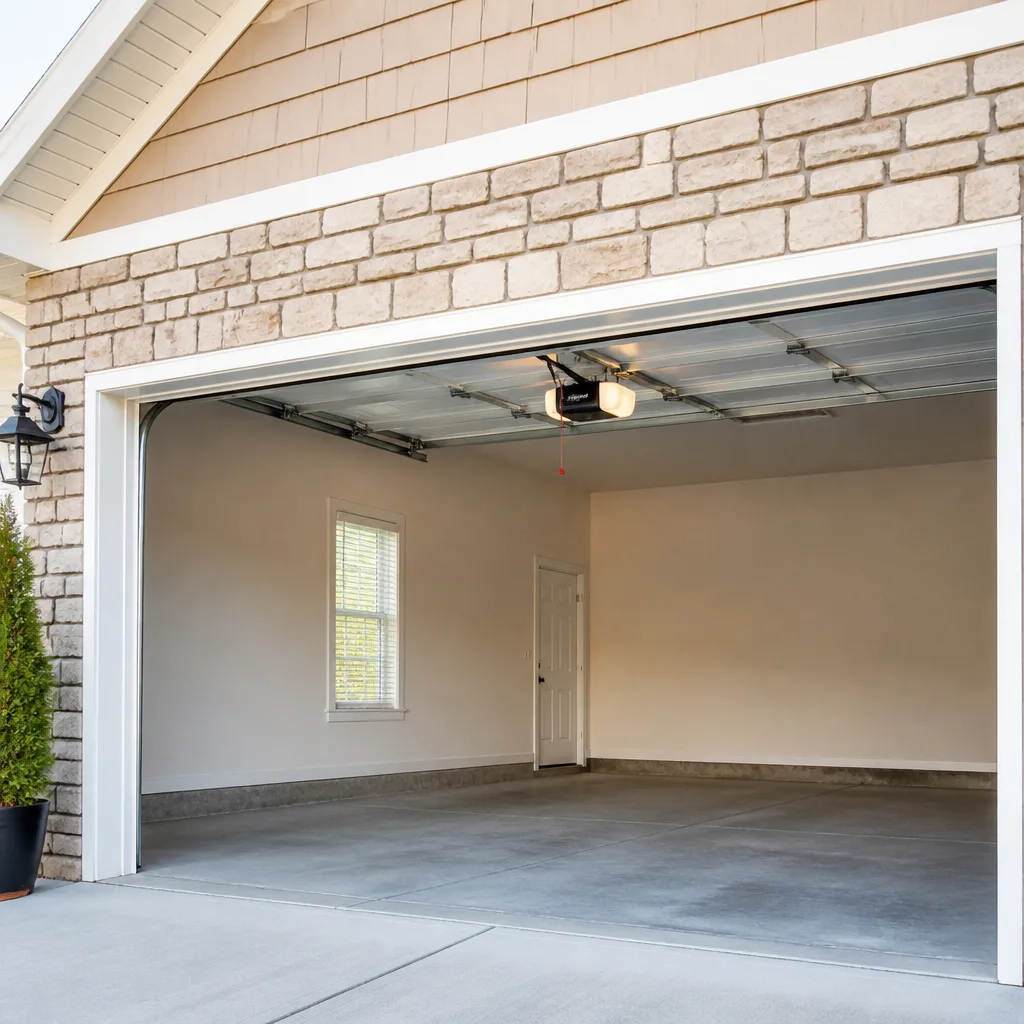 LiftMaster openers
 Chamberlain openers
Full 25-point door and opener safety check with every visit - springs, cables, rollers, tracks, and your LiftMaster or Chamberlain opener included
You get a price before we start. It does not change when the pro arrives.
Get your free estimateHow to Hire a Garage Door Contractor in Hyde Park: A Step-by-Step Guide
Massachusetts doesn’t issue a state license specifically for garage door technicians. That single fact changes how you should shop for one. In most trades there’s a license number you can look up and a state board that will tell you whether someone is allowed to do the work. For garage doors in Hyde Park, no such board exists, so almost anyone with a van and a ladder can print “technician” on a card. The vetting is on you.
This guide gives you a framework for doing that vetting well. You’ll learn what insurance documents actually mean, what a legitimate industry certification looks like and how to check one, the three questions that separate a garage door specialist from a generalist, and the red flags that show up in quotes before the work ever starts. It’s written from Hyde Park, for Hyde Park, and it assumes you’d rather fix the door you have than replace it because a salesperson pushed you.
Quick Answer
To hire a garage door contractor in Hyde Park, confirm three things before you book: that the company carries current general liability insurance and workers’ compensation coverage, that they specialize in garage doors rather than general handyman work, and that they’ll provide a written estimate with line items before any work begins. Ask what spring type and opener brand they handle, verify their credentials independently, and never approve same-day work without a written price.
Styles & brands we work with
- Raised-panel steel
- Carriage house
- Modern flush
- Full-view glass
- LiftMaster openers
- Chamberlain openers
Table of Contents
- Why There’s No License to Check in Massachusetts
- What “Licensed and Insured” Actually Means
- IDA Membership and IDEA Certification: Why They Matter
- The Three Questions That Reveal a Specialist
- How to Read a Garage Door Quote in Hyde Park
- Red Flags in Quotes and Sales Pitches
- How to Read Reviews for Garage Door Work
- The Step-by-Step Hiring Process
Why There’s No License to Check in Massachusetts
This is the part that throws most homeowners. A plumber in Hyde Park has a state license you can verify. An electrician does too. A garage door technician does not, because garage door work isn’t a licensed trade in Massachusetts. There’s no state exam, no continuing education requirement, no board that can pull a bad actor’s credential. The barrier to entry is roughly the cost of a business card.
That doesn’t mean every contractor is a risk. It means the signals you’d normally lean on, like a license number on the estimate, aren’t available. So you have to build your own check. Here’s what actually carries weight in the absence of a state license:
- Insurance documentation. A serious company can produce a certificate of insurance on request. This is the closest thing to a license you’ll get in this trade, and it’s more revealing than most people realize.
- Industry association membership. The International Door Association (IDA) is the trade body for the garage door industry. Membership is voluntary, which means it’s a choice a company makes, and it comes with a code of conduct.
- Individual technician certification. The IDEA (Institute of Door Dealer Education and Accreditation) runs certification programs for technicians and installers. A certified tech has passed a test on the actual systems they work on.
- Brand-specific knowledge. A company that works daily on LiftMaster and Clopay equipment has a paper trail you can see, whether that’s manufacturer training, dealer relationships, or simply a website and reviews that reflect real brand work.
- Parts sourcing. Whether a company can get the right part for your door tells you whether they do this work regularly or occasionally.
Three of those five signals are things you can verify from your kitchen table with a phone call and a browser. Do it. Not because every unverified company is bad, but because the ones that can produce documentation tend to be the ones that do the work properly.
What “Licensed and Insured” Actually Means
Most garage door ads say “licensed and insured.” Since there’s no license to point to, the “insured” half is carrying all the weight, and it’s often doing so vaguely. You want to know two specific things: general liability coverage and workers’ compensation coverage. They protect you in different ways, and both matter.
General liability insurance
General liability covers damage to your property. If a technician drops a door panel onto your car, or a spring lets go and takes out a window, general liability is what responds. Residential garage door work generally calls for at least $1 million in general liability, but ask what the policy limit is rather than assume. Some small operators carry bare-minimum policies; some carry none at all and hope nothing goes wrong.
Workers’ compensation
This is the one homeowners forget about, and it’s the one that can cost you. Garage door springs are under enormous tension. A technician who gets hurt in your garage is a serious problem if the company has no workers’ comp, because you could end up in the middle of an injury claim on your own property. Workers’ comp coverage transfers that risk to the employer’s insurer, where it belongs. Ask for it directly.
How to confirm both are current
Don’t accept a verbal yes. Ask for a certificate of insurance, which is a one-page document listing the carrier, the policy’s coverage limits, and the expiration date. Then do one of two things:
- Call the insurance carrier’s number on the certificate and confirm the policy is active.
- Ask the contractor to have their carrier send the certificate directly to you. That eliminates the possibility of an altered document.
Check the expiration date specifically. An expired certificate is a piece of paper about a policy that no longer exists. A contractor who hesitates, makes excuses, or says “we’re covered, don’t worry about it” is telling you something useful. Move on to the next call.
IDA Membership and IDEA Certification: Why They Matter
With no state license to check, the garage door industry’s own credentials are the best available proxy, and they’re genuinely meaningful. There are two to know.
The International Door Association (IDA)
The IDA is the trade association for the garage door and access systems industry. Member companies agree to a code of ethics and have access to industry training and standards. Membership isn’t required to do the work, so a company that holds it has gone out of its way to be accountable to something beyond their own invoice. A quick search on the IDA’s website will tell you whether a company is a member in good standing.
IDEA certification
The Institute of Door Dealer Education and Accreditation runs training and certification for technicians and installers. A certified technician has studied the systems, passed assessments, and kept up with how doors and openers are built. That matters most on high-tension spring work, where a wrong call can seriously injure someone, and on modern openers, where WiFi, battery backup, and safety sensors all have to work together. When you ask whether a technician is certified, you’ll learn a lot from how the company handles the question.
How to look them up
Ask the company for their IDA membership status and whether their technicians hold IDEA certification. Then check it yourself. The IDA’s website has a member lookup, and you can ask for certification details in writing. A company that’s proud of its credentials will answer in one sentence. A company that deflects is giving you the answer you actually needed.
None of this is a guarantee of good work. A membership card doesn’t fix a door. But in a trade with no state license, credentials and documentation are how you separate the people who take the work seriously from the people who don’t.
The Three Questions That Reveal a Specialist
You can learn most of what you need to know about a garage door company by asking three questions. They’re not trick questions. They’re the questions a specialist answers easily because they do this work every day, and the questions a generalist fumbles because they handle one garage door repair every few weeks between drywall jobs.
1. What kind of spring does my door have?
Residential doors typically use one of two spring systems: torsion springs, which mount on a shaft above the door, or extension springs, which run along the tracks at the sides. They fail differently, they’re replaced differently, and the safety practices differ. A specialist will ask about your door and then tell you which system you have, because they know the difference on sight. A generalist will say “springs are springs.” That’s your cue to call someone else.
2. Which opener brands do you work on?
Openers aren’t interchangeable. LiftMaster and Chamberlain share a platform in many models, Genie systems have their own logic boards and remote programming, and older legacy units need actual familiarity rather than a guess. Ask which brands they handle. A specialist who works on LiftMaster, Chamberlain, Genie, and Craftsman will tell you without hesitation. If an opener repair is what you need, that’s the conversation that matters most, and you can read more on our garage door opener repair page about how brand knowledge shortens the job.
3. How do you source parts?
Parts availability is where the timeline either moves or stalls. A company that sources parts directly can get a broken roller, a snapped cable, or a specific panel without waiting for a third-party supplier to order it in and mark it up. Ask whether they can supply parts themselves or whether they order from a distributor. Both are legitimate answers, but only one of them tends to fix your door this week.
Ask all three questions on the phone before you book. The answers tell you whether you’re talking to a garage door specialist or a handyman who takes garage door jobs. Our Hyde Park Garage Door Repair Pros page covers our own version of these answers if you want to see how they sound.
How to Read a Garage Door Quote in Hyde Park
A quote is the clearest window you’ll get into how a company works. Read it like a document, not a formality. In Hyde Park’s housing stock, which runs from older multifamily buildings near the train stations to single-family homes along the quieter side streets, doors vary a lot by age and type, so a generic quote is a warning sign on its own.
Here’s what a solid estimate should contain:
- Line items, not a lump sum. The spring, the labor, the cable, the bearings, the opener parts. Each line should name the part and the price.
- Part brands in writing. If they’re installing a new opener, the estimate should name the brand and model. “An opener” is not a quote.
- The scope spelled out. What’s being replaced, what’s being adjusted, and what’s not being touched.
- Explicit confirmation that the price is agreed before work starts. The written estimate is the price. Anything that changes should require a conversation first.
- The plain total. One number, no asterisks.
Watch for a quote that prices the whole door when a repair would do. Springs, cables, rollers, and openers fail independently. A specialist diagnoses the failing part and fixes it. A generalist may hand you a replacement quote because that’s the only job they’re set up for. “Same door, fixed right” is the principle to hold companies to. Our garage door repair page explains how diagnosis usually points to a repair rather than a new door.
Price ranges vary with the door type, the part, and the access. Rather than guess, ask each company for their written estimate and compare line for line. Two quotes for the same job should have similar line structures. If one is a single line and one has eight, that tells you which company plans the work.
Red Flags in Quotes and Sales Pitches
Most bad garage door experiences are visible in the quote before any work begins. Watch for these.
- Vague line items. If the estimate says “parts and labor” with no breakdown, you can’t compare it to anything, and you can’t tell whether a $400 part is actually a $400 part. Ask for detail or walk away.
- Refusal to put the parts brand in writing. A quote that won’t name the opener model or the spring manufacturer is hiding something, whether it’s a cheap substitute or uncertainty about what they can actually get.
- Same-day pressure without a written estimate. Urgency on a broken door is real. Urgency as a sales tactic is different. If a company pushes you to approve work before you’ve seen a written price, that’s a pressure tactic, not a service.
- Replacement-only diagnosis. Every door reaches the end of its life, but if a company can’t explain a repair option, they may not be equipped for one. Ask specifically what failed and what a repair would involve.
- No certificate of insurance on request. A legitimate company produces it in minutes. Excuses mean no coverage.
- Quotes by phone only. Some diagnosis happens in person. A price quoted without seeing the door is a guess, and the number at the end may not match.
- No reference to safety testing. After any garage door work, the safety sensors and the door’s balance should be tested. A company that never mentions this isn’t finishing the job properly.
How to Read Reviews for Garage Door Work
Reviews are useful, but not the way most people read them. A five-star average tells you customers were happy. It doesn’t tell you whether the work was diagnostic or superficial. Read for language, and read for specificity.
Here’s what separates the two kinds of reviews:
- Diagnostic language signals real experience. Reviews that mention a specific part (a torsion spring, a cable, an opener sensor, a broken roller), the brand of equipment, or the problem the technician identified point to a company that actually diagnoses.
- Vague praise signals a simple visit. “Great service, fixed my door” could describe a competent spring replacement or a squirt of lubricant. Look for the detail.
- Repeat business is a strong signal. Someone who calls the same company twice across different jobs is telling you more than ten first-time reviews.
- Read the negative reviews for specifics. A complaint about a price that changed after the fact is worth more than a complaint about a missed phone call. Check whether the company responded with substance.
- Watch for clustered, identical reviews. A sudden batch of reviews with the same phrasing is a red flag. So are reviews dated the same week across multiple companies in the same area.
Read with your own door in mind. If your door is an older Genie opener scenario or a Clopay panel system, reviews that mention the same setup are worth more than a wall of stars. Our garage door installation page is worth reading if you eventually decide the door itself has to go.
The Step-by-Step Hiring Process
Here’s the whole framework in order. Work through it once and you’ll have a contractor you trust and a written price you understand.
- Identify the problem. A door that won’t open, a door that opens partway, a door that’s noisy, a door that’s come off the track. Write down what’s happening and when it started. That description is your first filter on the phone.
- Search for garage door specialists, not generalists. Look for companies whose entire business is garage doors. Check their website for the brands they work on and the services they list. A company that lists springs, openers, cables, panels, and parts is doing this work daily.
- Call two or three and ask the three questions. Spring type, opener brands, parts sourcing. How they answer tells you whether to book.
- Ask for their insurance documentation. General liability and workers’ comp. Confirm both are current by calling the carrier or asking for a certificate sent directly.
- Ask about IDA membership and IDEA certification. Then verify on the IDA’s website.
- Get a written estimate with line items. Part brands named, scope spelled out, total price clear. Confirm the agreed price is what you’ll be charged before work begins.
- Ask what happens if they find something else. A good company will stop, explain, and re-quote. A bad one will add to the final bill.
- Book the work, and confirm safety testing afterward. Sensors and door balance should be verified before the technician leaves.
None of this takes more than a couple of calls. In a trade where anyone can call themselves a specialist, a half hour of verification is the entire game.
Common Mistakes to Avoid
- Assuming “licensed and insured” means something specific. In garage door work, the license half is empty and the insured half needs to be verified. Ask for the certificate and check the expiration date.
- Skipping the workers’ comp question. General liability protects your property. Workers’ comp protects you if a technician gets hurt on your property. Both matter, and only one gets asked about.
- Hiring a generalist who “can do doors.” A handyman who occasionally adjusts tracks will not handle a torsion spring safely. Spring work is a specialist’s job and needs to be treated as one.
- Approving work without a written price. Any verbal number can change once work starts. A written estimate before the first tool comes out is the standard. Hyde Park homeowners should hold every company to it.
- Accepting a replacement quote without asking about repair. Doors are expensive. Springs, cables, rollers, and opener boards are not. Ask what specifically failed and what a repair would involve.
- Reading reviews for stars instead of detail. A review that names the part and the brand tells you more than a five-star rating that says “great job.”
- Skipping the post-service safety check. After any work, the door’s balance and the safety sensors should be tested. Ask the technician to run the check before they leave.
See the difference
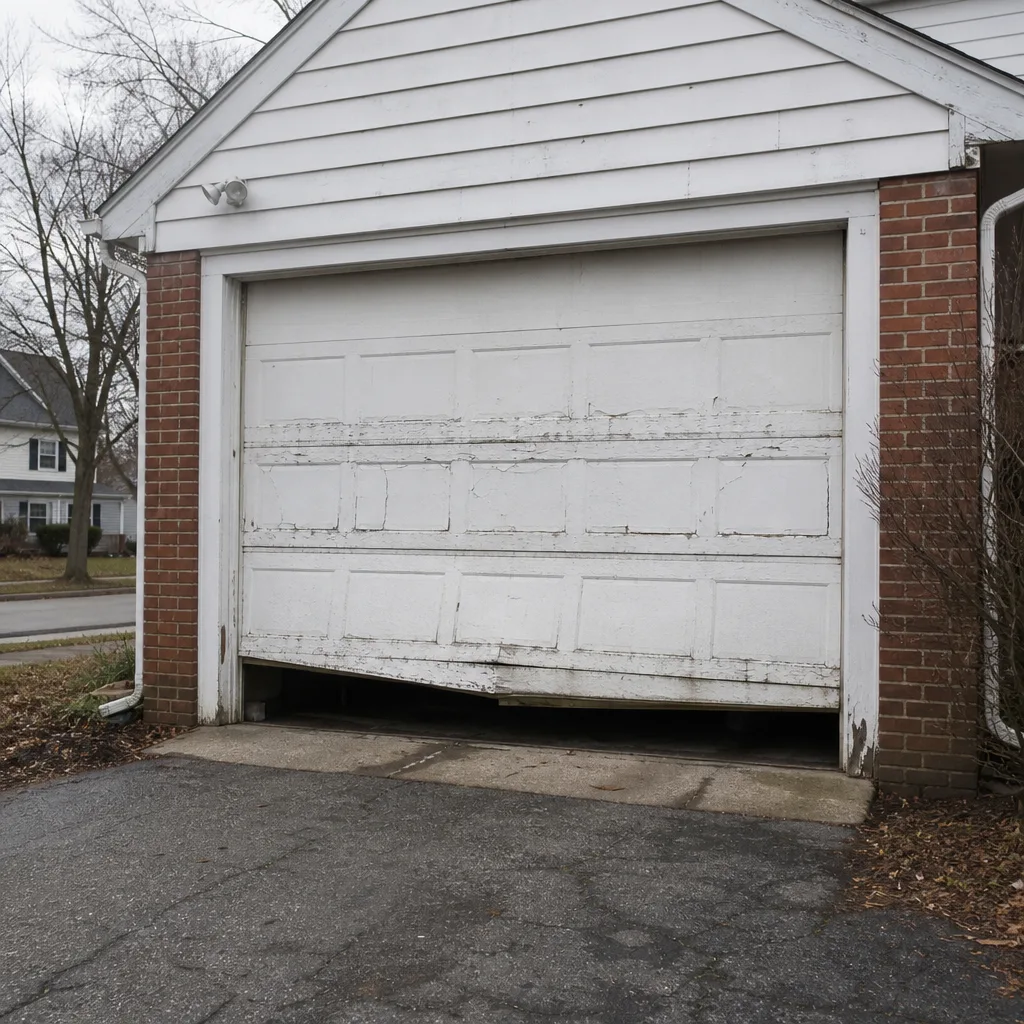 Before
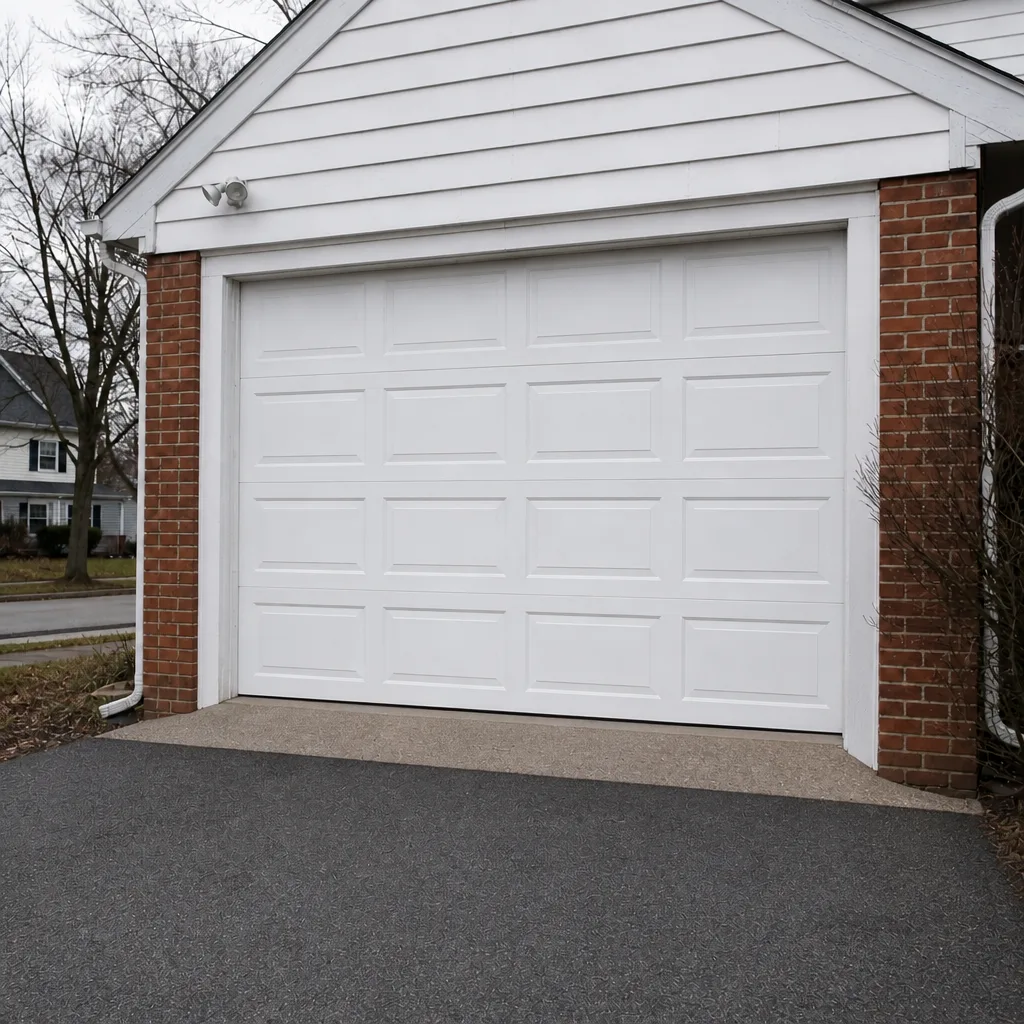 After
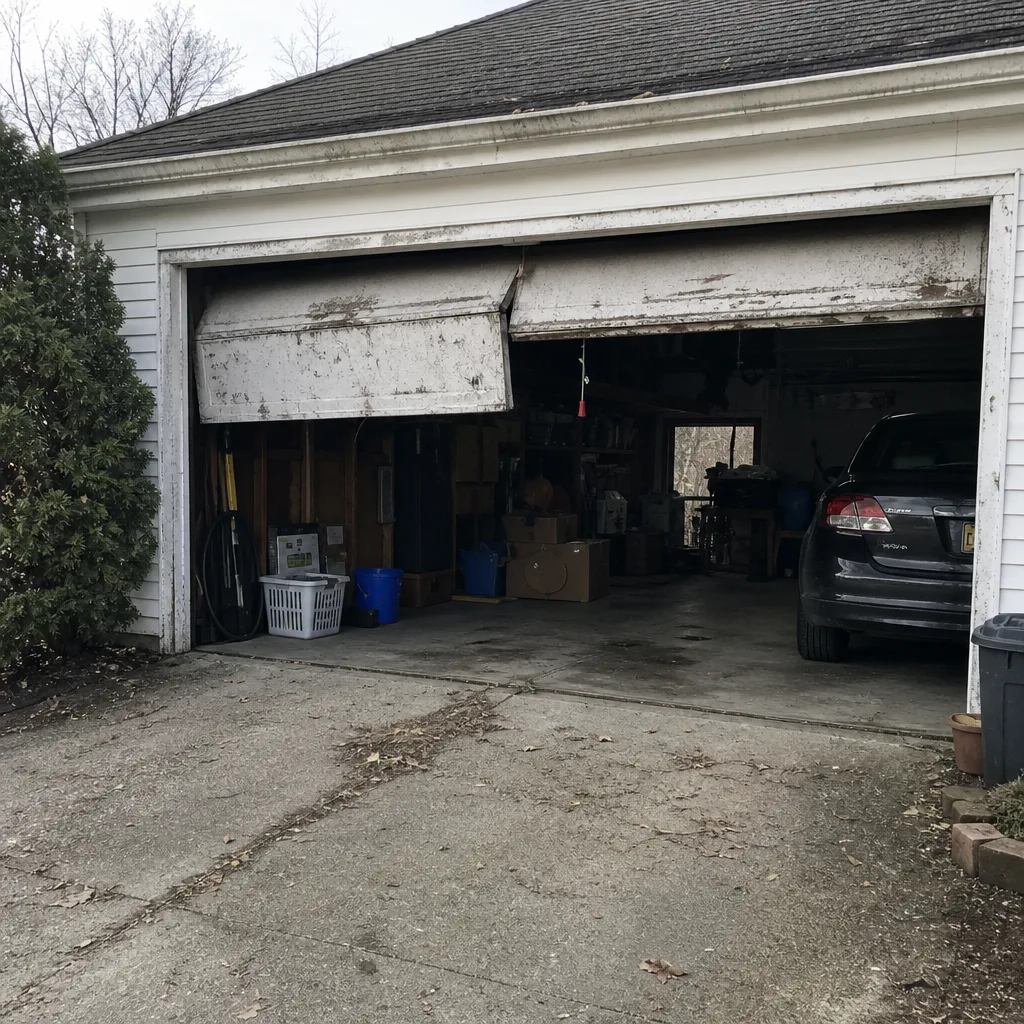 Before
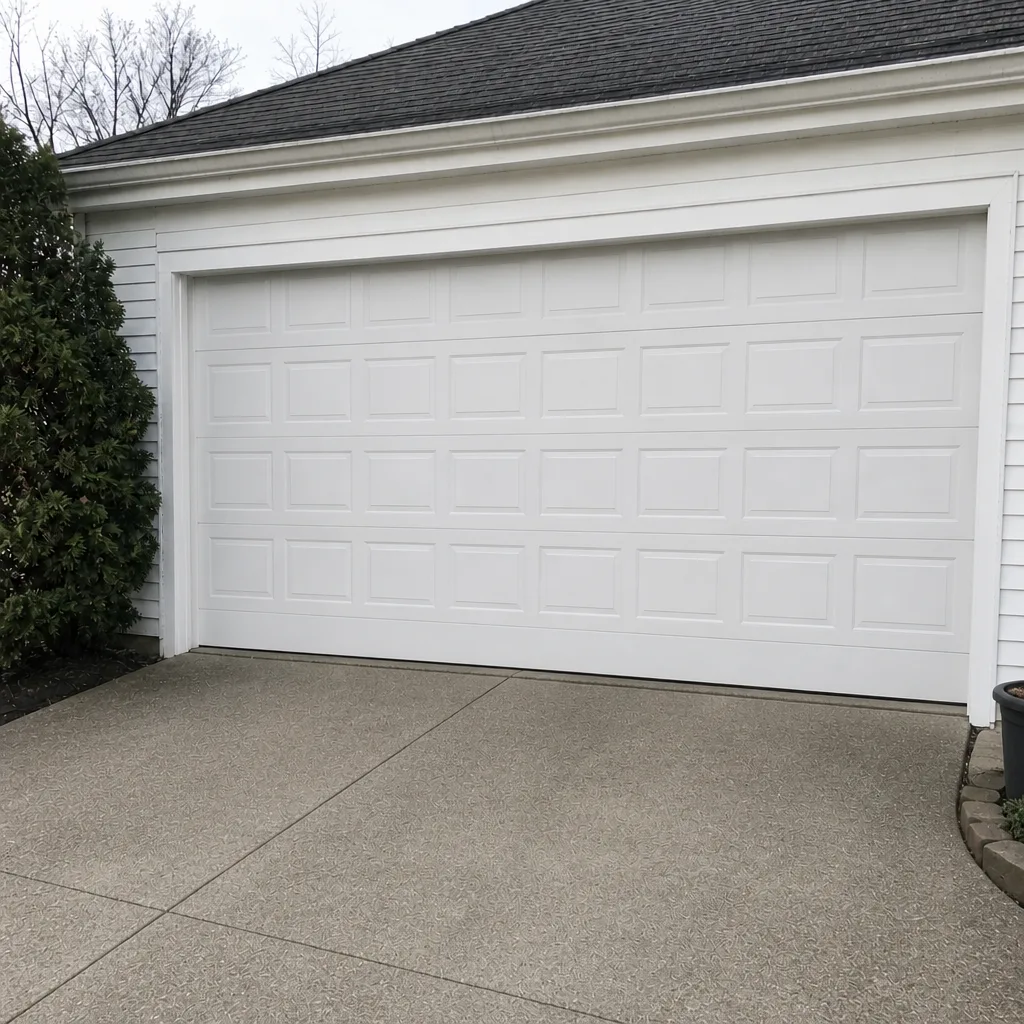 After
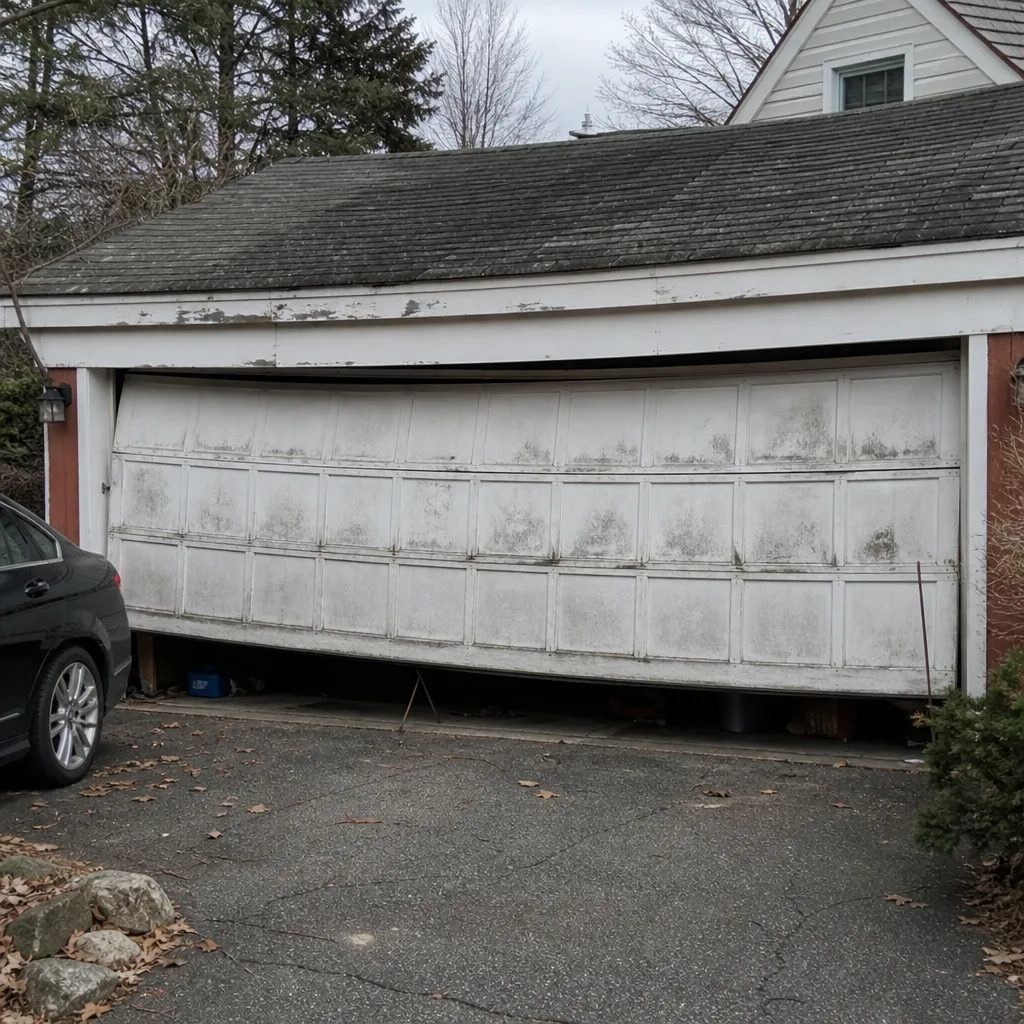 Before
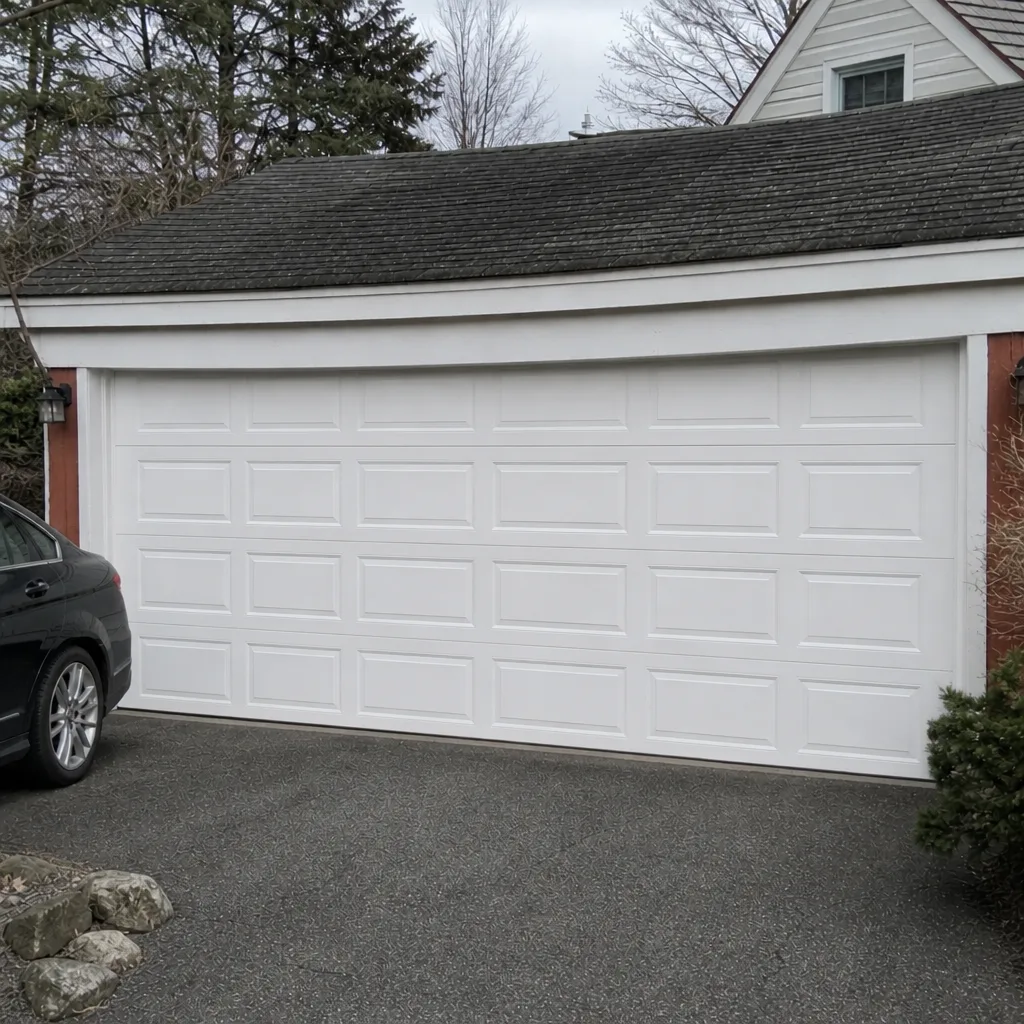 After
When to Call a Professional
Some garage door problems genuinely warrant a professional call. A spring that’s snapped or that shows a visible gap is a hard stop. Torsion springs are under extreme tension and are not a repair to take on without training. A door that’s off its track, a cable that’s frayed or hanging, a door that won’t stay closed, and an opener that’s driving the door past its limits all fall in the same category. Electrical work inside an opener, or any work on a garage door opener’s wiring, belongs to a trained technician as well.
The general rule: if the repair involves high-tension components, the door’s structural alignment, or electrical connections inside the opener, call a specialist. Cosmetic issues and routine lubrication you can handle yourself. Hyde Park Garage Door Repair Pros offers free estimates in Hyde Park. Call (877) 716-7297 and we’ll help you figure out whether it’s a repair, an installation, or something in between.
Frequently Asked Questions
No, Massachusetts doesn’t issue a state license specifically for garage door technicians. That’s why verifying insurance and industry credentials is the homeowner’s job. Ask for a certificate of insurance covering general liability and workers’ comp, and check IDA membership and IDEA certification. Call (877) 716-7297 for a free estimate from a team that can document those credentials.
A specialist handles garage door repairs, opener work, springs, parts, and installation as their entire business, while a generalist does garage doors occasionally between other jobs. The practical difference shows up in spring type experience, brand-specific opener knowledge, and parts sourcing. Ask the three questions in this guide and you’ll know which you’re talking to.
Ask for a certificate of insurance and confirm it’s current by calling the carrier’s number on it or having the carrier send it directly to you. The certificate should list general liability and workers’ compensation coverage with an expiration date. If a company can’t or won’t produce it, that’s your answer.
Yes. A company that works on LiftMaster, Chamberlain, Genie, and Clopay equipment will recognize your system, know its known failure points, and source the right part faster than a company working from a manual. Brand familiarity is one of the strongest signals that you’re hiring a specialist.
A proper estimate names the parts, the brands, and the labor as separate line items, spells out what’s being replaced and what’s not, and states the total clearly. The agreed price is the price. If the estimate is a single vague lump sum, ask for detail or find another company.
Vague line items, refusal to name part brands in writing, pressure to approve work without a written estimate, and a replacement-only diagnosis with no repair option. Add an unwillingness to produce insurance documentation and you’ve covered the main ones. Call (877) 716-7297 for a free, no-pressure estimate if you want to compare a written quote against what you’ve been given.
The Bottom Line
Hiring a garage door contractor in Hyde Park comes down to verification. There’s no state license to check, so the burden falls on you: confirm insurance coverage for both general liability and workers’ comp, check IDA membership and IDEA certification, and ask the three questions that reveal whether you’re talking to a specialist. Read the quote for line items, part brands, and a written price agreed before work starts. Watch for pressure to replace when a repair would do. Your technicians have up to 12 years of experience, and our team works on the brands you already have, from LiftMaster and Chamberlain to Genie and Clopay, with direct parts sourcing to keep timelines short. Same door, fixed right.
Hyde Park Garage Door Repair Pros offers free estimates throughout Hyde Park and the surrounding neighborhoods. Call (877) 716-7297 to book a free estimate and a written, upfront price before any work begins.
Written by the team at Hyde Park Garage Door Repair Pros.