Last updated November 21, 2026
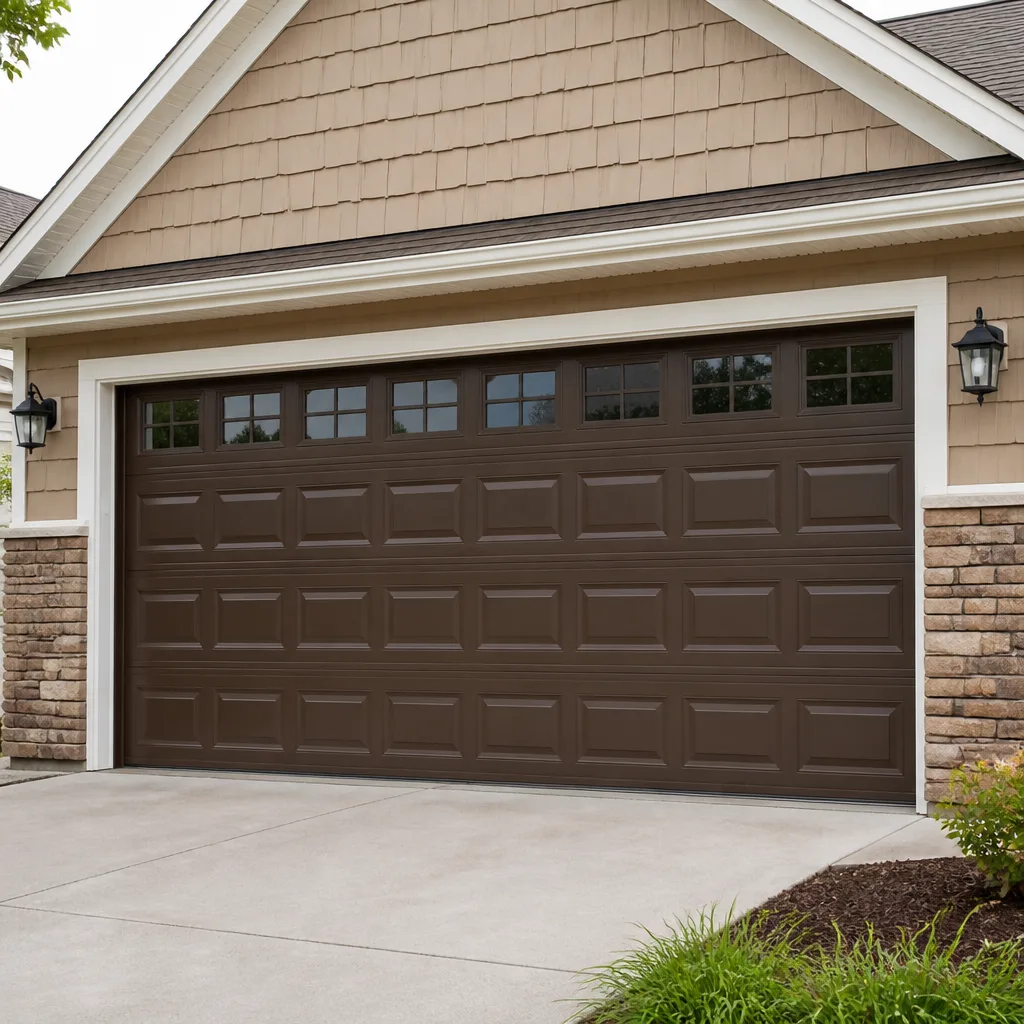 Raised-panel steel
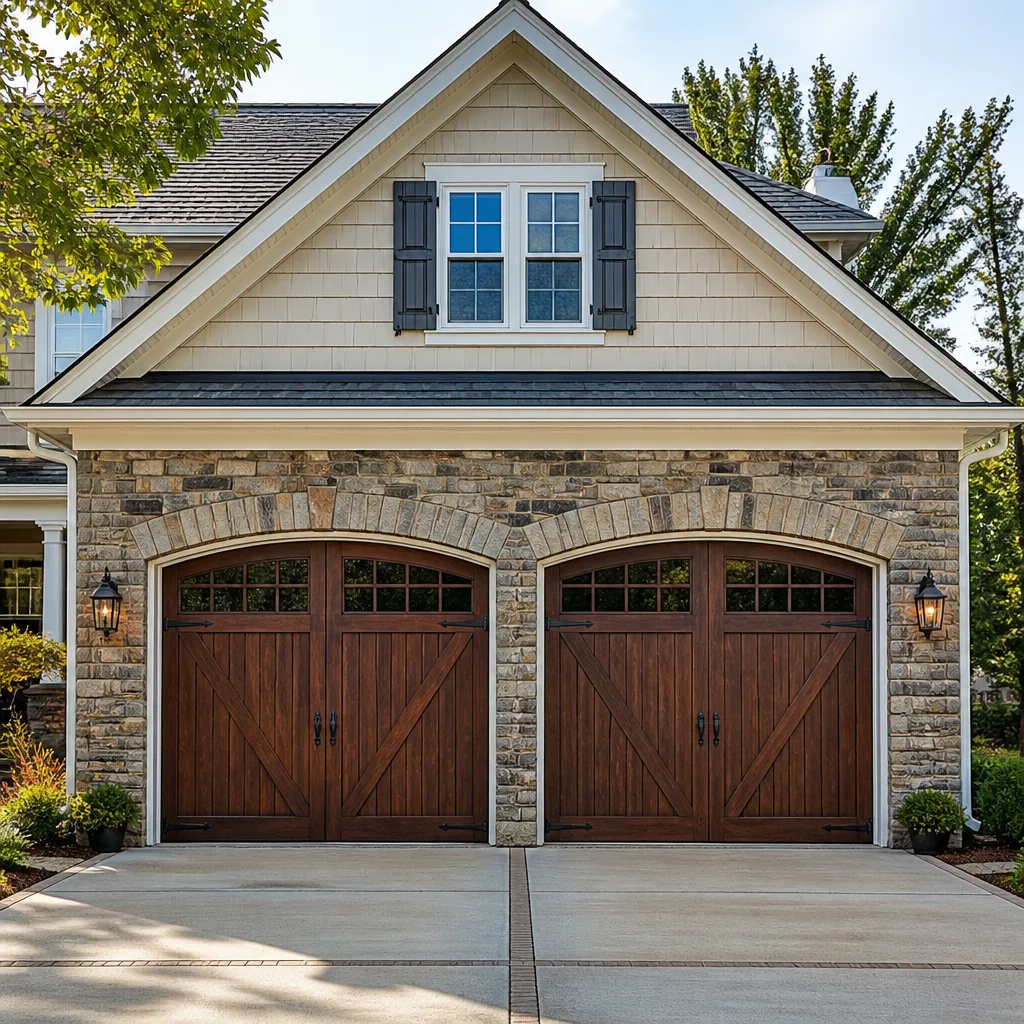 Carriage house
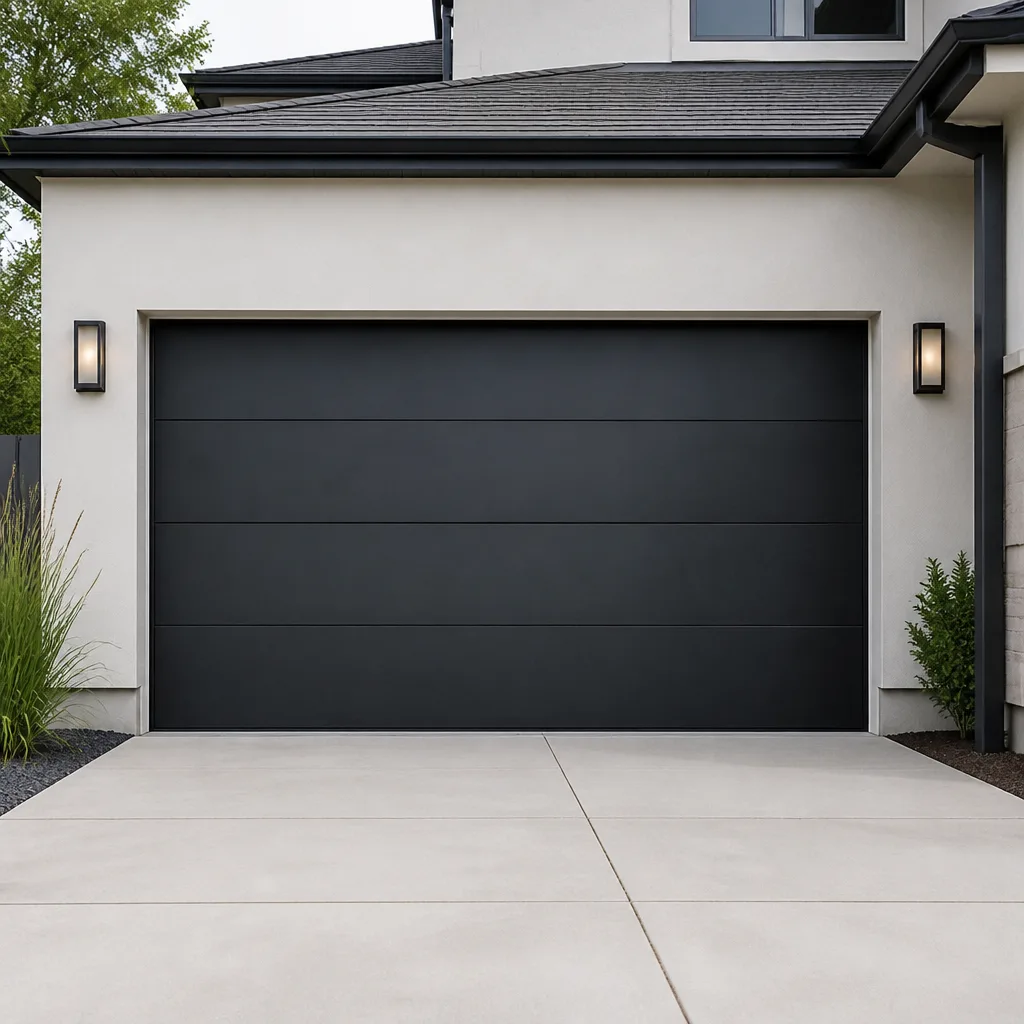 Modern flush
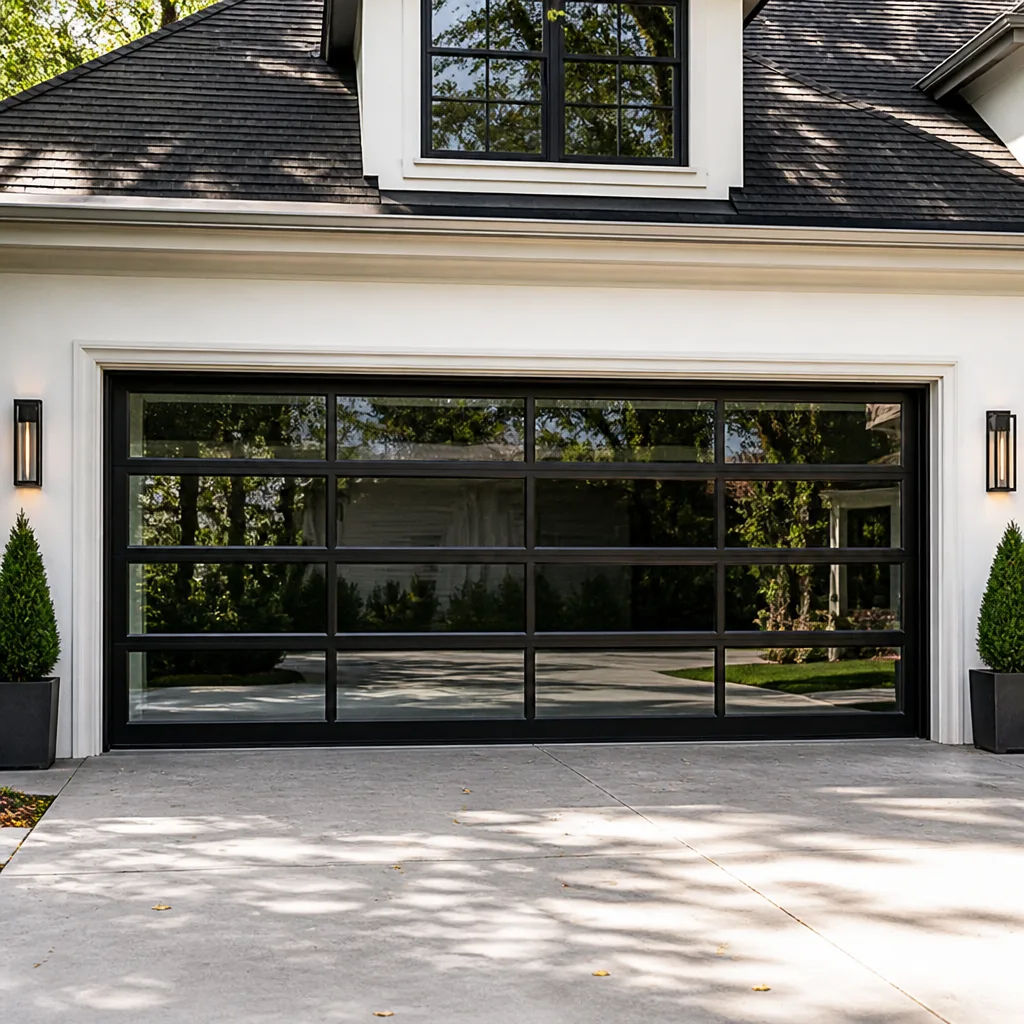 Full-view glass
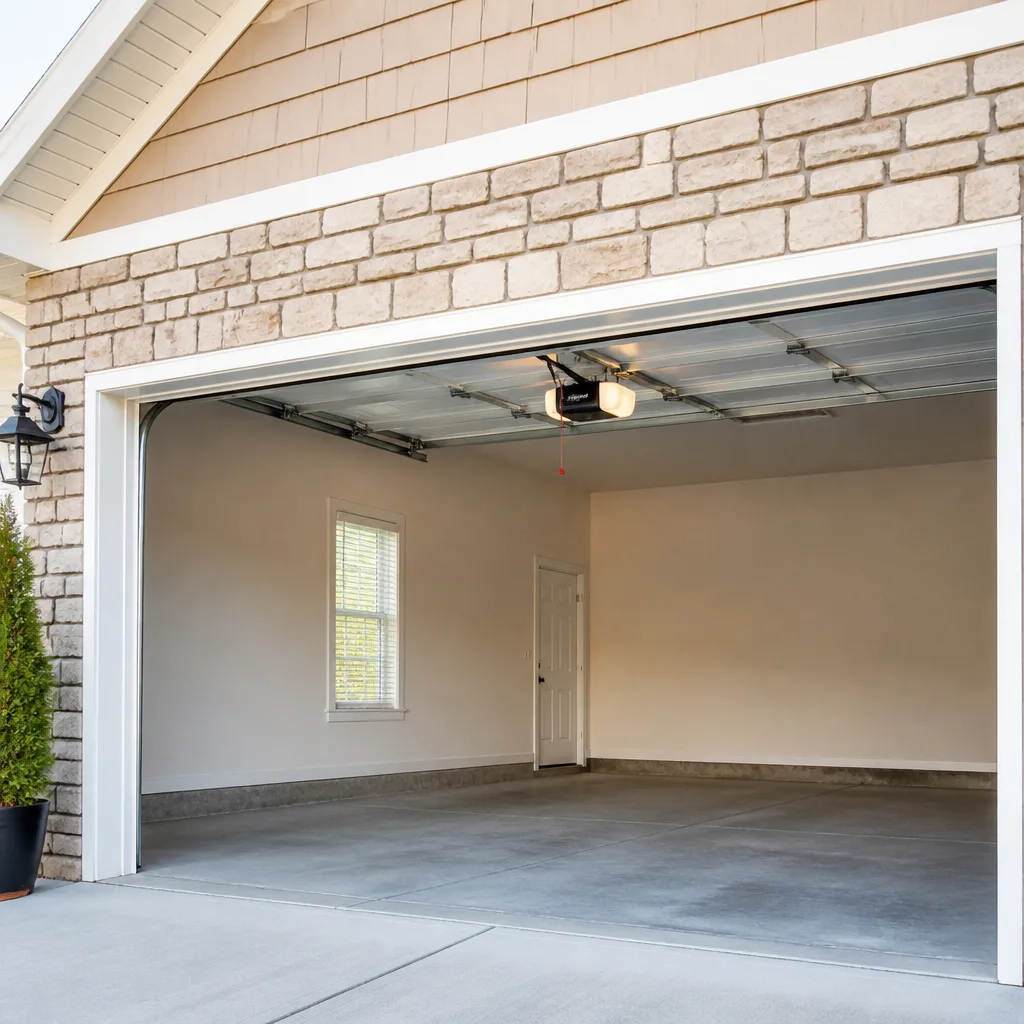 LiftMaster openers
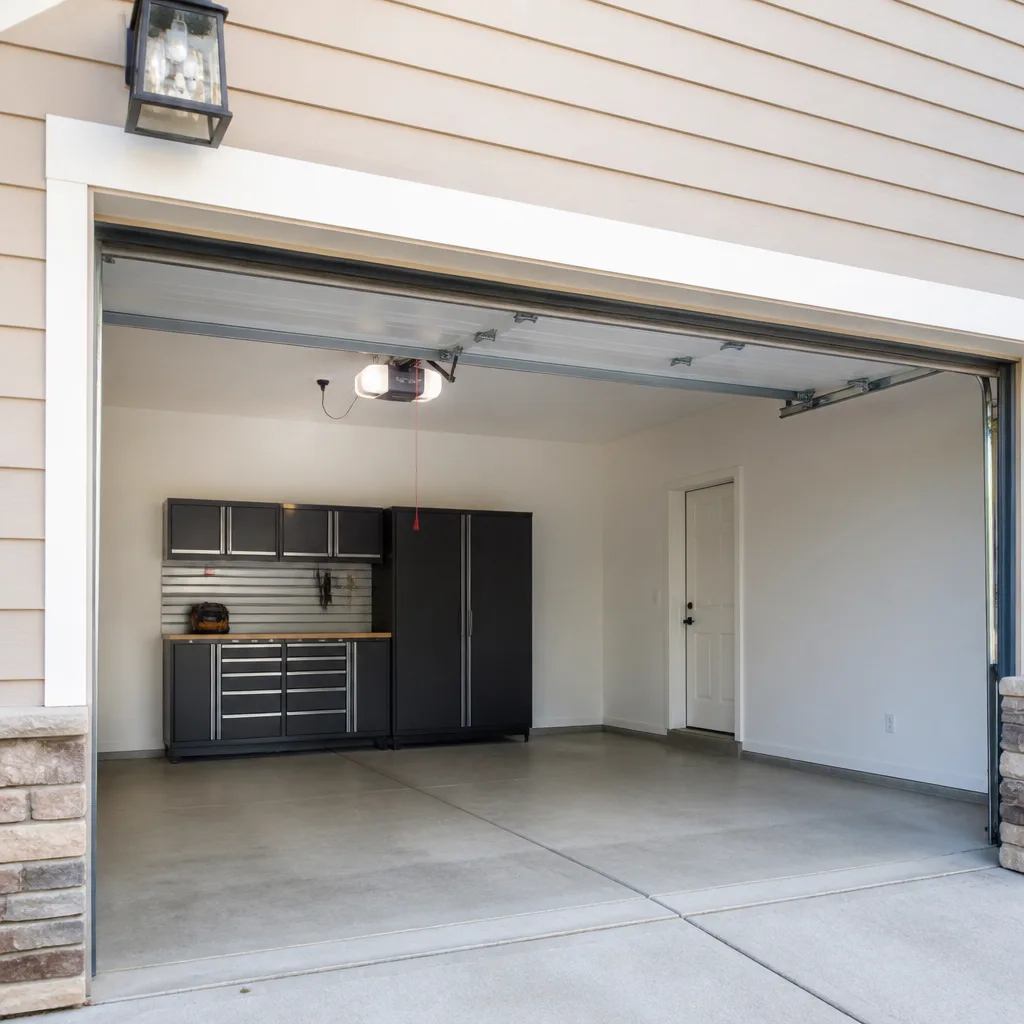 Chamberlain openers
Full 25-point door and opener safety check with every visit - springs, cables, rollers, tracks, and your LiftMaster or Chamberlain opener included
You get a price before we start. It does not change when the pro arrives.
Get your free estimateGarage Door Repair Troubleshooting in Hyde Park: Common Problems and How to Fix Them
A garage door that reverses before it closes isn’t broken. It’s obeying a sensor, a limit switch, or a logic board, and the fix for each one is totally different. Guess wrong and you can spend a whole afternoon adjusting a safety beam that was never the problem. Most garage door symptoms in Hyde Park fall into one of five mechanical categories: springs and cables, the opener and its electronics, track and roller alignment, safety sensors, and the weatherseal. Knowing which category you’re actually in tells you whether you can safely adjust something yourself or need to step back and call a trained technician. This guide maps everyday symptoms to their real root causes so you stop treating the noise and start solving the problem.
Quick Answer
Garage door troubleshooting starts with matching the symptom to the right system: a door that won’t close is usually a sensor or limit switch issue, a door that won’t open is often a spring, cable or opener problem, and a door that binds or grinds is usually a track or roller alignment issue. Homeowners can safely handle sensor alignment, remote batteries, and weatherseal checks, but anything involving torsion springs, cables, or the opener’s internal wiring belongs with a trained professional.
Styles & brands we work with
- Raised-panel steel
- Carriage house
- Modern flush
- Full-view glass
- LiftMaster openers
- Chamberlain openers
Table of Contents
- Why One Symptom Can Have Five Root Causes
- Mechanical Problems: Springs and Cables
- Electrical Problems: Openers and Logic Boards
- Alignment Problems: Tracks and Rollers
- Sensor Problems: Safety Beams and Reversal
- Weatherseal Problems and Massachusetts Freeze-Thaw
- Quick-Reference Decision Chart
- When to Call a Professional
Why One Symptom Can Have Five Root Causes
Here’s the counterintuitive part. “The door won’t close” isn’t one problem. It’s a symptom shared by at least five distinct failures, and each one has a completely different repair. A misaligned safety sensor on one door looks exactly like a failed limit switch on another until you test them in order. In our experience, the fastest way to sort this out is to work from the outside in: start at the safety beam, then the track, then the balance, then the electronics.
Think about what a garage door does when it closes. It has to be balanced (springs and cables), stay in its path (tracks and rollers), see a clear threshold (sensors), receive a close command (the opener’s control board), and then seal against the floor (bottom seal). Any one of those failing produces the same visible result. The difference is in the details.
That’s why diagnosing before touching anything saves both time and money. If the door reverses only in cold weather, you’re probably looking at a stiff weatherseal or a track that shifted. If it reverses every single time, regardless of temperature, it’s more likely the safety sensor or the opener’s travel limit. If it won’t move at all, you’re in the spring or opener-motor category. Separating “won’t move” from “won’t close” from “closes and then bounces back” is the first real step in garage door repair troubleshooting in Hyde Park, and it’s the one most homeowners skip.
Trained technicians work through these tests in minutes because they’ve seen the same patterns hundreds of times. Our technicians have up to 12 years of experience across LiftMaster, Chamberlain, Genie, Clopay, Amarr, Wayne Dalton, Craftsman, and Raynor systems, so the diagnostic path is familiar no matter what’s installed in the home.
Mechanical Problems: Springs and Cables
Mechanical issues live in the parts that physically lift and balance the door. A torsion spring is a wound steel coil under high tension, and extension springs run along the horizontal tracks above the door. Cables connect both systems to the door itself. When one of these fails, the door loses its counterbalance, and that’s a job that stops being a homeowner task the second you’re near it.
Signs you’re in the mechanical category:
- The door won’t move at all, or only opens a few inches before stopping.
- You hear a loud snap from inside the garage, followed by the door not working.
- The door feels extremely heavy when you lift it by hand (test with the opener disconnected, gently, and stop immediately if it’s hard to lift).
- The door hangs crooked, with one side lower than the other.
- A visible gap in the spring coil, or a cable that’s come off its drum.
Springs and cables are the boundary line. This is where the DIY conversation ends. Torsion springs store an enormous amount of energy even when the door is closed, and a spring under load that slips can cause serious injury. That’s why repairing a spring is a spring technician’s job, not an evening project. We treat high-tension spring repair as a specialty because it’s the most common point of failure on residential systems and the one most often attempted by homeowners who shouldn’t.
If you hear the snap, don’t run the opener. Don’t try to open the door by hand. Leave it closed and call a technician. If you’re not sure what failed, our garage door repair service starts with a full mechanical assessment of springs, cables, drums, and hinges before anything is touched. On a Hyde Park door that’s been through a few winters, it’s also worth knowing that the freeze-thaw cycle can put extra stress on cables and drums as the metal expands and contracts, which is why mechanical failures cluster at the start and end of the cold season.
Electrical Problems: Openers and Logic Boards
Electrical problems start where the mechanical ones end. If the springs are intact, the cables are on their drums, and the door still won’t respond to the remote, you’re looking at the opener itself. That covers everything from the motor to the logic board to the wall console to the safety sensors, and it’s the category where brand knowledge actually matters.
Common electrical symptoms:
- The opener hums but the door doesn’t move (stripped gear, dead motor, or a capacitor on the way out).
- The remote works sometimes and not others (battery, interference, or a dying receiver).
- The wall button works but the remote doesn’t, or the reverse.
- The door opens fine but won’t close (limit switch or forced-closed setting).
- The opener clicks and shuts off (logic board fault or an overheated motor).
Modern LiftMaster and Chamberlain units with WiFi and battery backup have their own diagnostic patterns that differ from older Craftsman chain-drive systems. A technician who works on the brand you already have can usually identify the fault with a meter and a few tests instead of swapping parts until something works. That’s the difference between a repair and a guess, and it’s why our garage door opener repair work covers both smart openers and legacy units.
One electrical task homeowners can safely do: replace the remote battery and check that the wall button isn’t stuck. One they shouldn’t: open the opener housing to look at the logic board. The capacitors inside hold a charge even after unplugging, and the board itself is easy to damage with static if you don’t know what you’re doing.
If the opener is older than the door and failing repeatedly, sometimes the honest answer is replacement rather than repair. That’s a conversation worth having with a technician who can show you the cost of each option before you commit. When the door itself is also nearing the end of its service life, we cover that path under garage door installation, which includes a free measure and a written price before any work is scheduled.
Alignment Problems: Tracks and Rollers
Alignment issues show up as noise. A door that rumbles, grinds, squeals, or binds somewhere between open and closed is usually telling you the track isn’t where it should be or the rollers have worn flat. In Hyde Park, this is the category that’s most affected by local conditions, because freeze-thaw cycles push the ground around a garage slab and can shift a track out of plumb over a single season.
Where alignment problems come from:
- Track deflection. A car nudges the track, or the slab shifts, and the rollers no longer run true.
- Loose track brackets. The fasteners work loose over time, letting the track wander a fraction of an inch.
- Worn rollers. Steel rollers wear flat spots; nylon rollers crack. Either one causes a rhythmic thump.
- Bent hinges. A single bent hinge changes the door’s geometry and puts uneven load on the opener.
- Sagging panels. On older Clopay or Amarr sectional doors, a tired hinge line can let a panel drop.
Homeowners can safely do a few things here. Clean the tracks with a rag and a light solvent. Look for obvious debris. Check that the door is level by eye from inside the garage. Beyond that, track adjustment gets delicate: the rails need to be plumb, parallel, and correctly spaced, and getting one wrong stresses both the rollers and the opener. A technician uses a level and a consistent reference, not a visual guess.
If you’re hearing grinding rather than rumbling, stop running the opener. Grinding usually means metal-on-metal, and every cycle you run shortens the life of the rollers and the track. A quick visual inspection and a call is cheaper than a full track replacement later.
Sensor Problems: Safety Beams and Reversal
If your door reverses the moment it starts to close, the safety sensor system is the first thing to check. Every automated garage door has a pair of photo-eye sensors near the floor, one on each side of the opening, and if the beam between them is broken, misaligned, or blocked, the opener refuses to close the door. This is the most common cause of “my door won’t close” calls we get in Hyde Park, and it’s usually the simplest to fix.
Check these in order:
- Look at both sensors. Each should have a solid indicator light. A blinking or dark light on either one means the beam isn’t connecting.
- Wipe both lenses with a dry cloth. Dust, cobwebs, and winter road grit from leaf blowers and snow brushes all break the beam.
- Check for anything hanging in the path of the beam, including a broom, a recycling bin, or the door’s own bottom seal if it’s hanging low.
- Make sure the sensors are still aimed at each other. Sunlight or a knocked bracket can misalign them by a fraction of an inch and still break the beam.
- If the lights are solid but the door still reverses, you’re past the sensors and into the opener’s travel limit settings.
Sensor alignment and cleaning are tasks a homeowner can safely handle. Sensor wiring, on the other hand, often runs through the wall of the garage to the opener, and a broken wire there is a job for a technician. If the door reverses only at a certain height, or only when the sun hits the sensor at a particular angle, the fix is usually repositioning the sensor rather than chasing a wiring problem. Treat that as a two-minute check before you assume the worst.
Weatherseal Problems and Massachusetts Freeze-Thaw
Weatherseal problems are slow and quiet. The bottom seal on a garage door compresses year after year, and by the time it’s completely flat, the door may be sealing poorly against wind, snow, and cold air. In Hyde Park, this is also the component that freeze-thaw cycles punish hardest. Snowmelt runs across the garage apron, refreezes at the threshold overnight, and forces the seal to flex in a way it wasn’t designed to. Over a few seasons, that’s enough to crack the rubber and let water in.
Signs the weatherseal needs attention:
- You can see daylight under the closed door.
- The door reverses on cold mornings but closes fine in the afternoon.
- The bottom rubber is cracked, torn, or hanging loose.
- Snow or water blows in under the door during storms.
- You can feel a draft at the threshold.
A stiff, frozen bottom seal can actually trigger the safety reverse, which is why some doors “won’t close” only in January and February. If that’s your pattern, look at the seal before you call about the opener. A bottom seal replacement is a modest job and one a homeowner can often handle, though a technician can spot related issues while replacing it: a track that’s pushed the seal out of its channel, a threshold that’s out of level, or a gap in the weatherstripping on the sides and top of the door frame.
A well-sealed door holds heat better, which matters on long Massachusetts winters. That’s not the same as saying a garage door retrofit will drop your energy bill by a fixed percentage. It just means the seal is doing its job rather than leaking. On a Wayne Dalton or Clopay door, the bottom seal is usually a standard profile that’s easy to source, which is where direct parts access helps: get the part, get it done, without a week of waiting on a third-party order.
Quick-Reference Decision Chart
Use this as a first-pass triage. It doesn’t replace a technician’s diagnosis, but it will tell you which category you’re probably in and whether it’s safe to touch.
- Door won’t open at all, no sound from opener. Likely cause: dead opener, tripped breaker, or a snapped cable. DIY or pro: pro.
- Door opens a few inches, then stops. Likely cause: broken torsion spring or stripped opener gear. DIY or pro: pro.
- Opener hums, door doesn’t move. Likely cause: stripped drive gear, dead capacitor, or a broken spring. DIY or pro: pro.
- Door reverses before closing. Likely cause: safety sensor misalignment, obstruction, or opener travel limit. DIY or pro: try the sensor check first, then pro.
- Remote works intermittently. Likely cause: battery, receiver interference, or dying remote. DIY or pro: try a fresh battery and re-pairing, then pro.
- Door binds, grinds, or runs crooked. Likely cause: bent track, worn rollers, or shifted brackets. DIY or pro: visual check is fine, adjustment is pro.
- Door won’t seal at the bottom. Likely cause: hardened or cracked bottom weatherseal. DIY or pro: often DIY, or pro for a longer-lasting fix.
- Door reverses only in cold weather. Likely cause: stiff frozen bottom seal or track shifted by frost. DIY or pro: check the seal, call if the track is involved.
A simple rule of thumb: if the fix involves a tool that isn’t a screwdriver or a cloth, and the part is under tension, call a technician. If the fix involves wiping, aligning, or replacing a battery, you’re fine to try.
For a broader look at what repair visits involve in this area, our Hyde Park Garage Door Repair Pros page is a good starting point.
Common Mistakes to Avoid
- Oiling the tracks. Garage door tracks are meant to stay clean and dry. Lubricant attracts grit, and grit wears out rollers faster than a dry track ever would. Lubricate the rollers, hinges, and springs (with a proper garage door lubricant), not the track.
- Adjusting the opener’s travel limit to force a door to close. If the door reverses, the travel limit isn’t the cause. Forcing it closed overrides a safety system and shortens the opener’s life. Fix the sensor or the seal instead.
- Standing under the door to inspect the spring. Springs are under load even when the door is closed. Never put your body under a door that’s disconnected from the opener or missing tension. Look from a distance and call a technician.
- Ignoring a slow winter track shift. That faint dragging noise in February is often the first sign of a track pushed by frozen ground. Left alone through spring melt, it becomes a bent bracket and a set of worn rollers.
- Buying an opener that doesn’t fit the door. Bigger isn’t always better. A high-lift door and a low-clearance door need different openers, and installing the wrong one is a bigger job than calling to check first. Clopay and Amarr doors in particular have specific clearance requirements.
- Patching a bottom seal with tape or foam. In Massachusetts winters, that patch fails in one season. The seal is a single rubber component and it stretches; a patch will let snowmelt in and freeze to the floor.
- Assuming a “won’t close” door needs a new opener. The vast majority of “won’t close” calls are sensor, seal, or limit switch issues. Buying an opener before diagnosis means paying for a motor that was never the problem.
See the difference
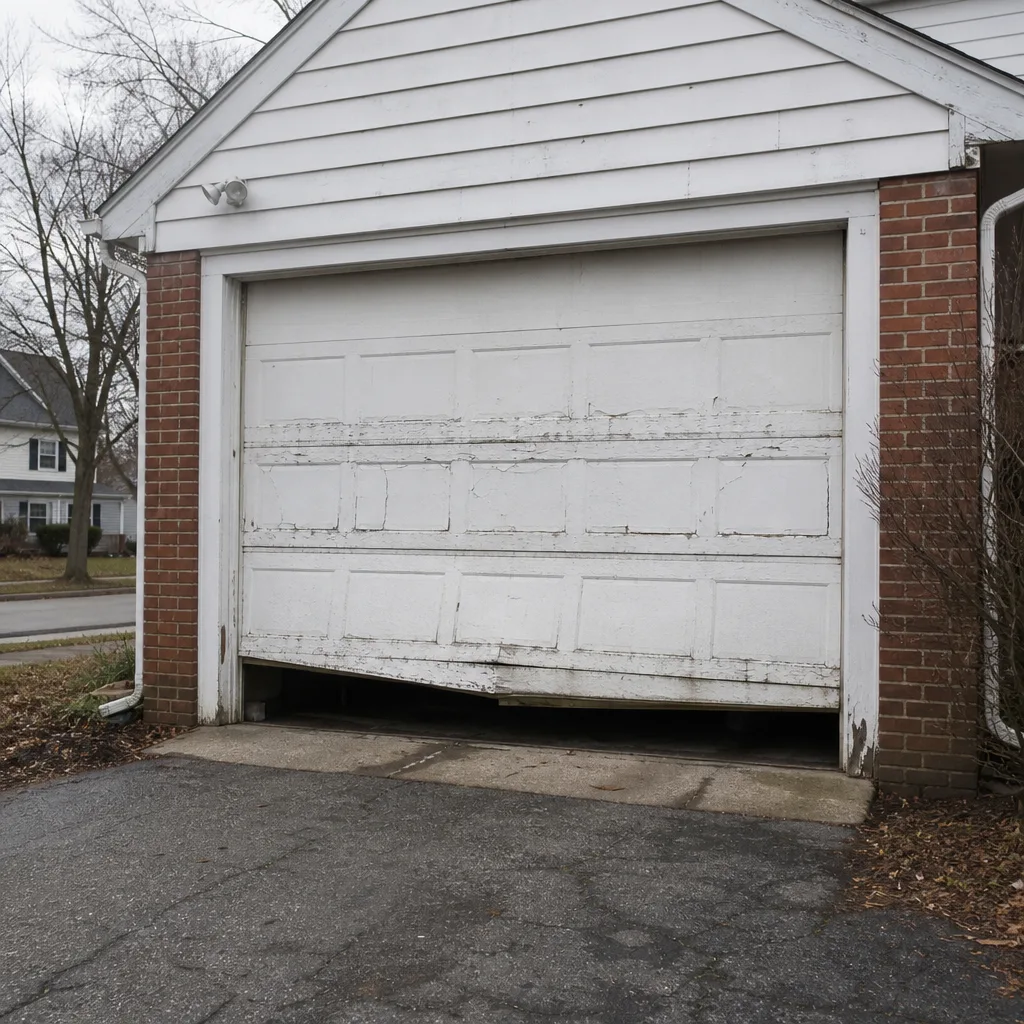 Before
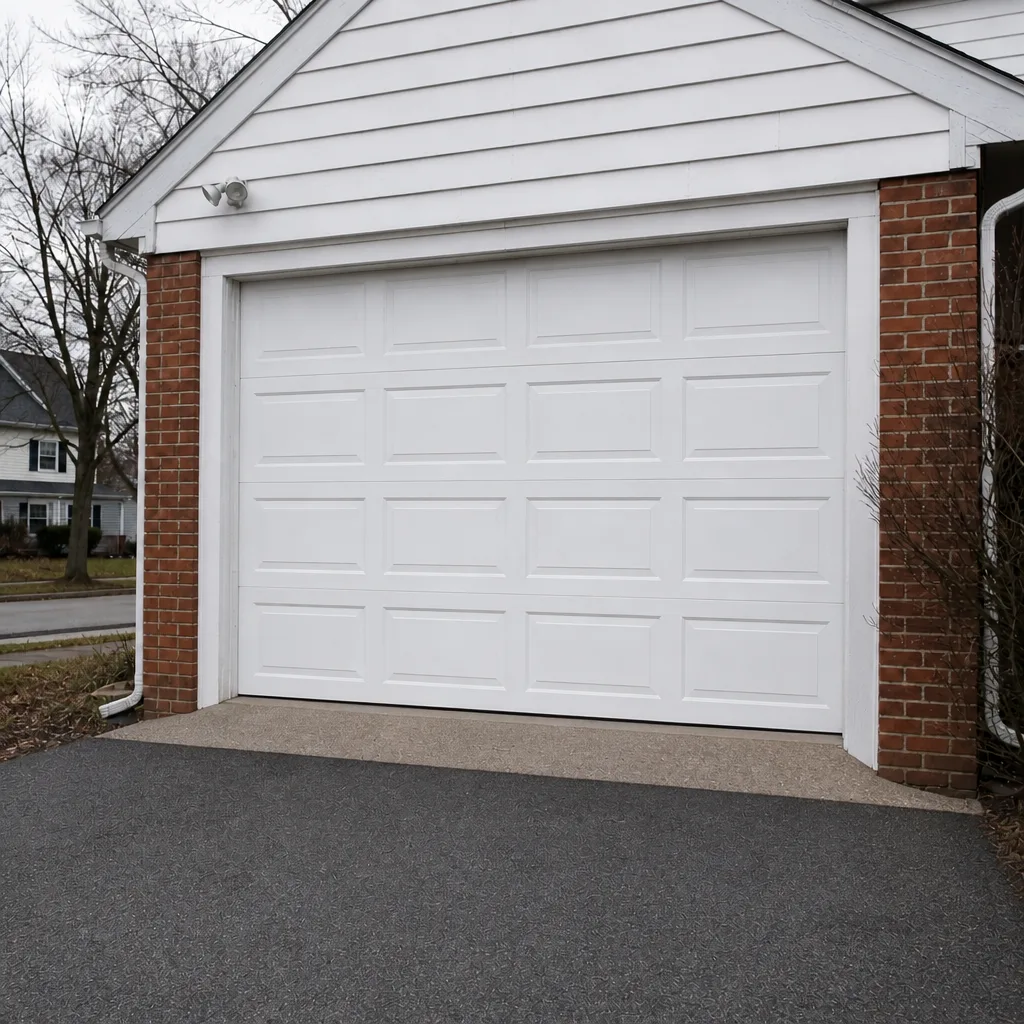 After
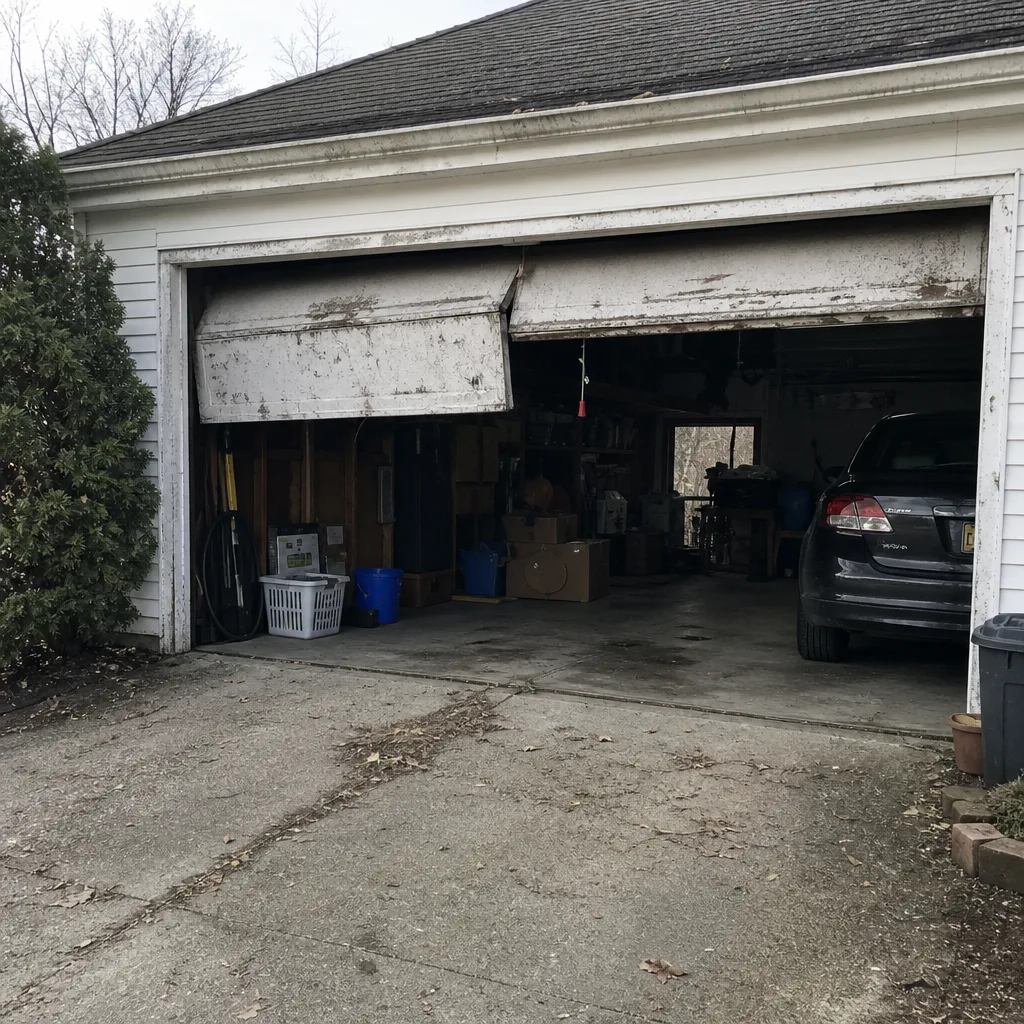 Before
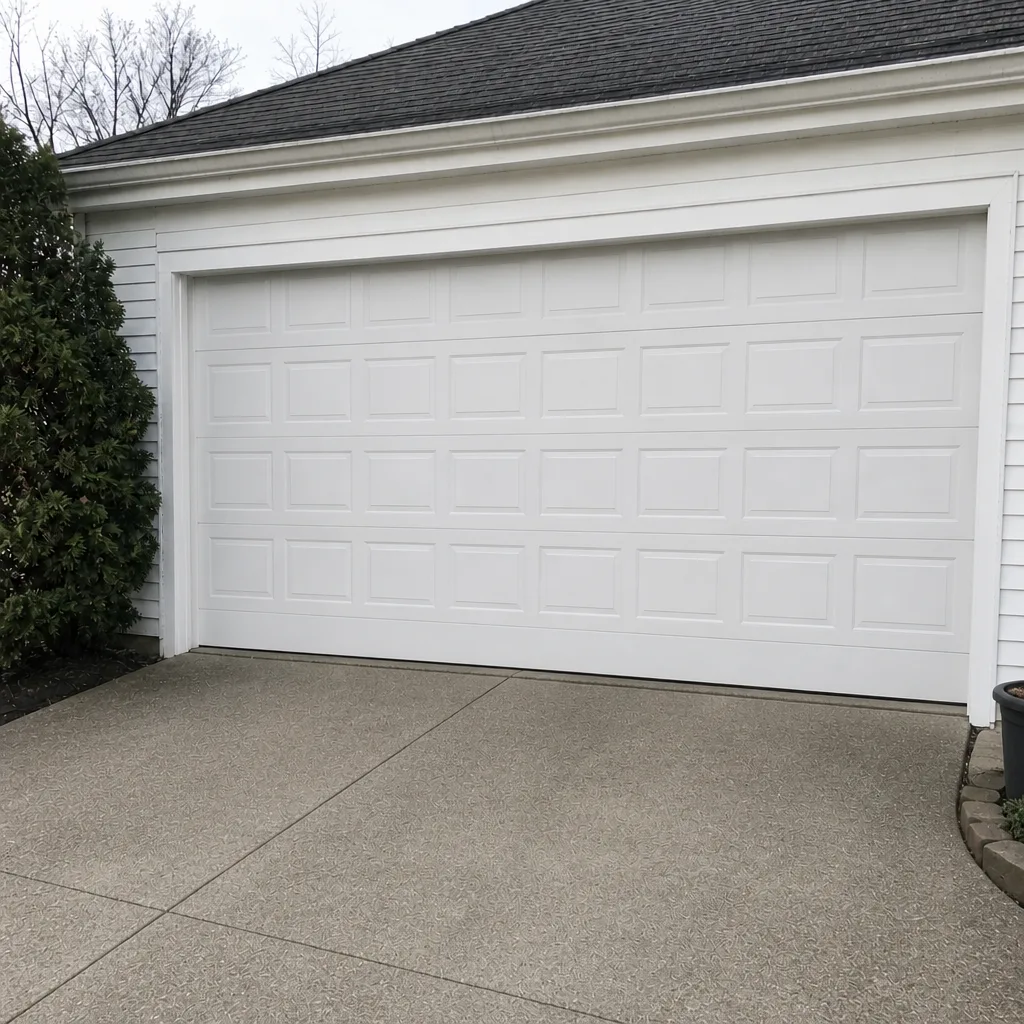 After
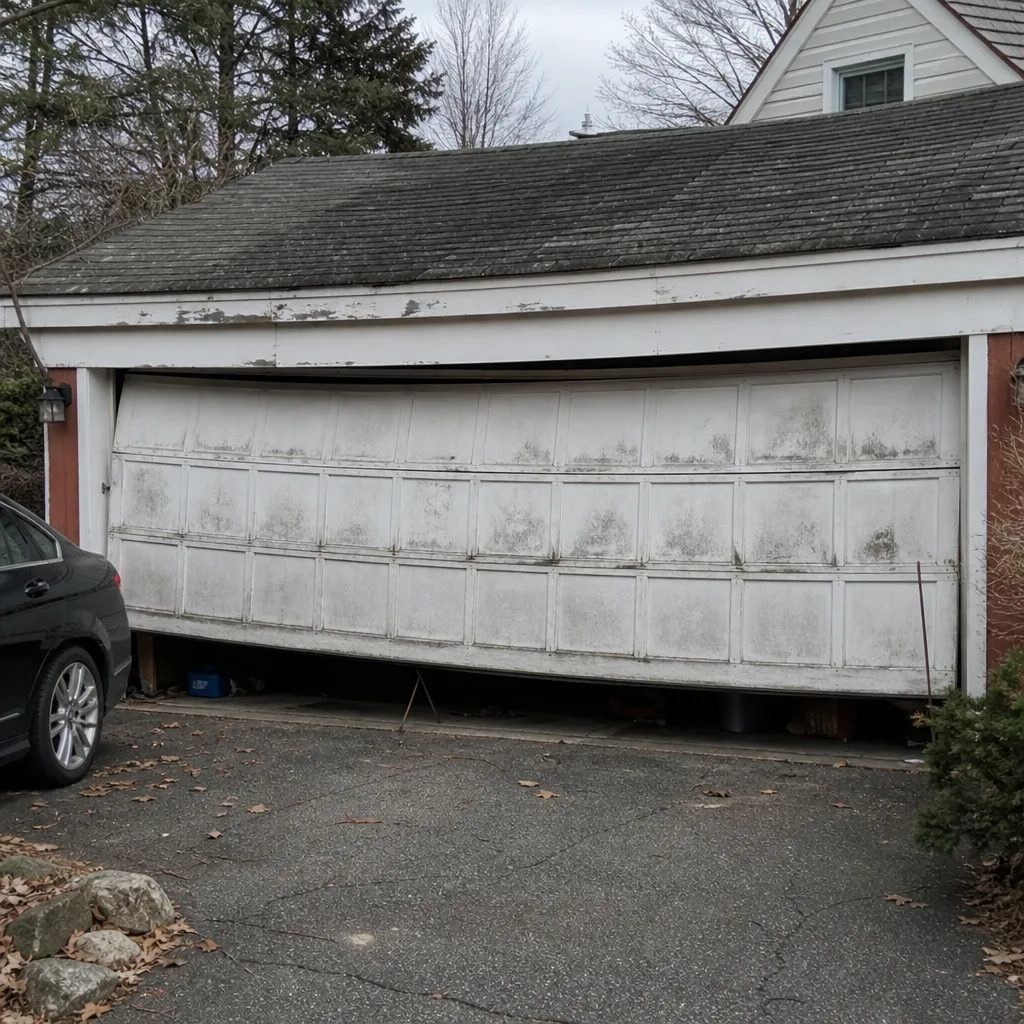 Before
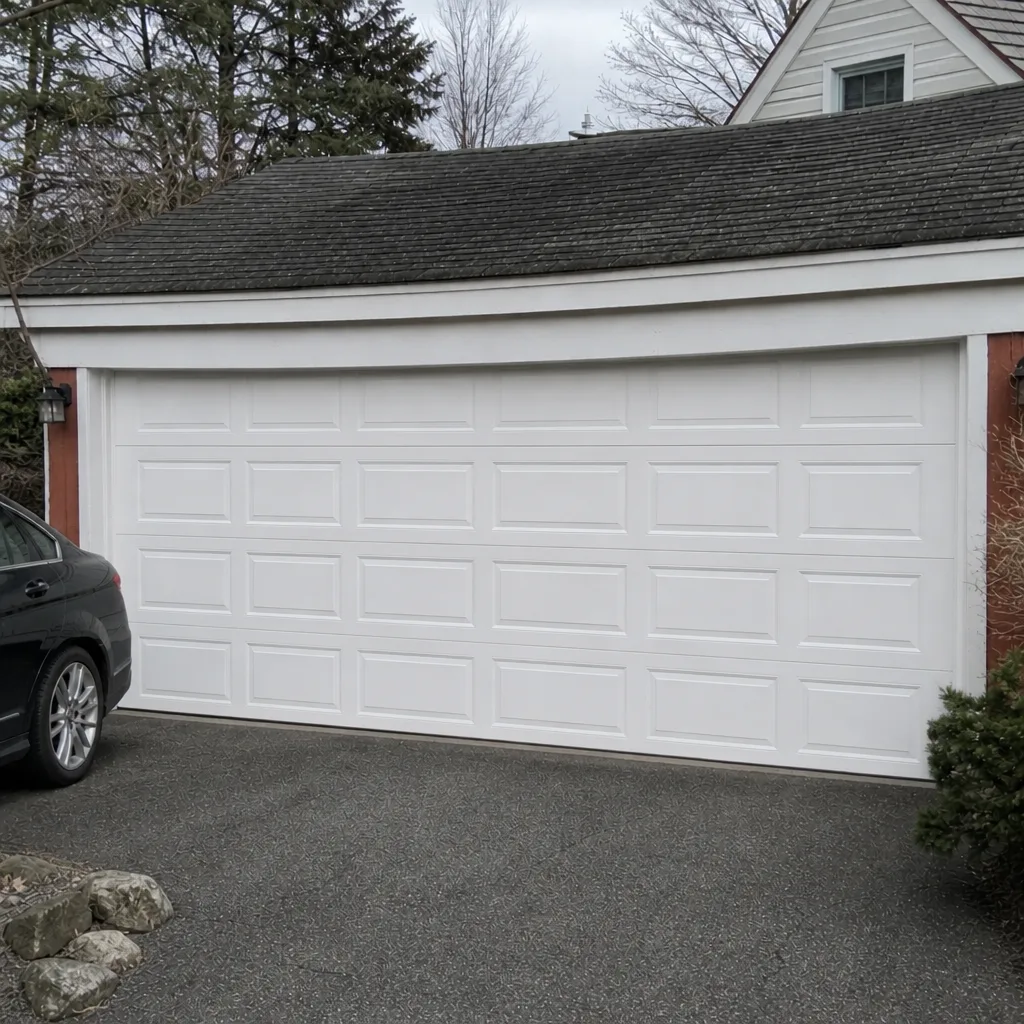 After
When to Call a Professional
Call a professional any time the fix involves a torsion spring, a cable, a track adjustment, or the opener’s internal wiring. Also call if the door has come off its track, if you hear a snap from inside the garage, or if the door has ever moved on its own after you let go. Those are the cases where an afternoon of trial and error can turn into an injury or a much larger repair.
For the tasks you can safely do yourself (sensor cleaning, remote batteries, weatherseal checks), a quick call can still save time if you’re not sure what you’re looking at. Our service starts with a diagnostic assessment rather than a sales conversation, and the written estimate sets the price before any work begins. Hyde Park Garage Door Repair Pros offers free estimates in Hyde Park. Call (877) 716-7297 and we’ll walk through the symptoms with you.
Frequently Asked Questions
Your garage door reverses before closing because the safety sensor system is detecting an obstruction, or because the opener’s travel limit thinks the door has hit something. Check the two photo-eye sensors near the floor first: each should have a solid indicator light, and both lenses should be clean and aimed at each other. If the lights are solid and the door still reverses, the issue is likely the opener’s limit switch or a stiff weatherseal. Call (877) 716-7297 for an exact diagnosis, estimates are free.
No, a broken torsion or extension spring isn’t a safe DIY repair. The spring is a wound steel coil under high tension, and the energy stored in it can release suddenly during a repair. This is one of the most common garage door injuries. A trained technician has the tools and the procedure to release and replace it safely. In Hyde Park, call (877) 716-7297 and we’ll send a spring specialist.
Garage door repair in Hyde Park is quoted per job after a free estimate, and the final price is whatever is written on that estimate before any work starts. Sensor cleaning, remote batteries, and weatherseal replacements are typically the lowest-cost items. Spring, cable, track, and opener board repairs are larger jobs. We don’t give a phone number quote, because the price depends on the door and what’s actually failed. Call (877) 716-7297 for a written estimate.
No. The written estimate sets the price, and it’s agreed before any work starts. If a technician finds an additional problem while on site, we discuss the new scope and a new price with you before doing anything, not after. That’s how we keep the invoice matching the estimate.
A door that fails to close in cold weather is usually dealing with a bottom weatherseal that’s stiffened or frozen, or a track that has shifted slightly with frost in the ground. The opener sees resistance from the seal and triggers its safety reverse. A bottom seal replacement or a track adjustment typically solves it. Call (877) 716-7297 for a quick diagnostic.
Yes. We work on the brand you already have, including LiftMaster, Chamberlain, Genie, Craftsman, and other common opener brands. Our technicians have up to 12 years of experience, and we service equipment from Clopay, Amarr, Wayne Dalton, and Raynor doors as well. If a part is needed for your specific model, we can source it directly, which often shortens the repair timeline. Call (877) 716-7297 to talk through what you’re seeing.
The Bottom Line
Garage door troubleshooting comes down to matching the symptom to the right system. A door that won’t close is usually a sensor, seal, or limit switch problem. A door that won’t open is usually a spring, cable, or opener issue. A door that grinds or binds is usually a track, roller, or hinge issue. The DIY boundary is clear: sensors, batteries, and weatherseal checks are safe for homeowners, while springs, cables, track adjustments, and opener internals should go to a trained technician. Hyde Park’s freeze-thaw winters make alignment and weatherseal problems more common than you’d expect. Diagnose the category first, then decide whether to call. If it’s a call, (877) 716-7297 gets you a free estimate and a written price before any work begins.
Written by the team at Hyde Park Garage Door Repair Pros.