Last updated November 21, 2026
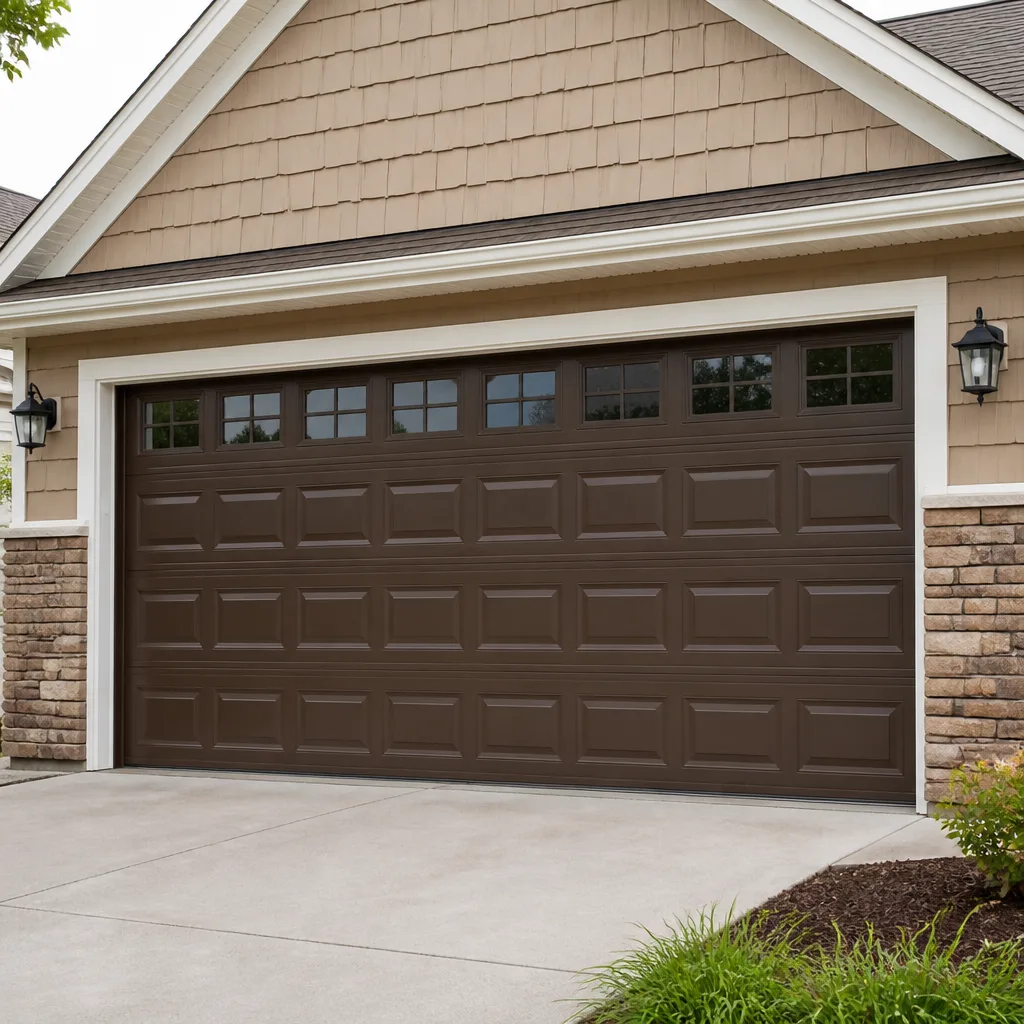 Raised-panel steel
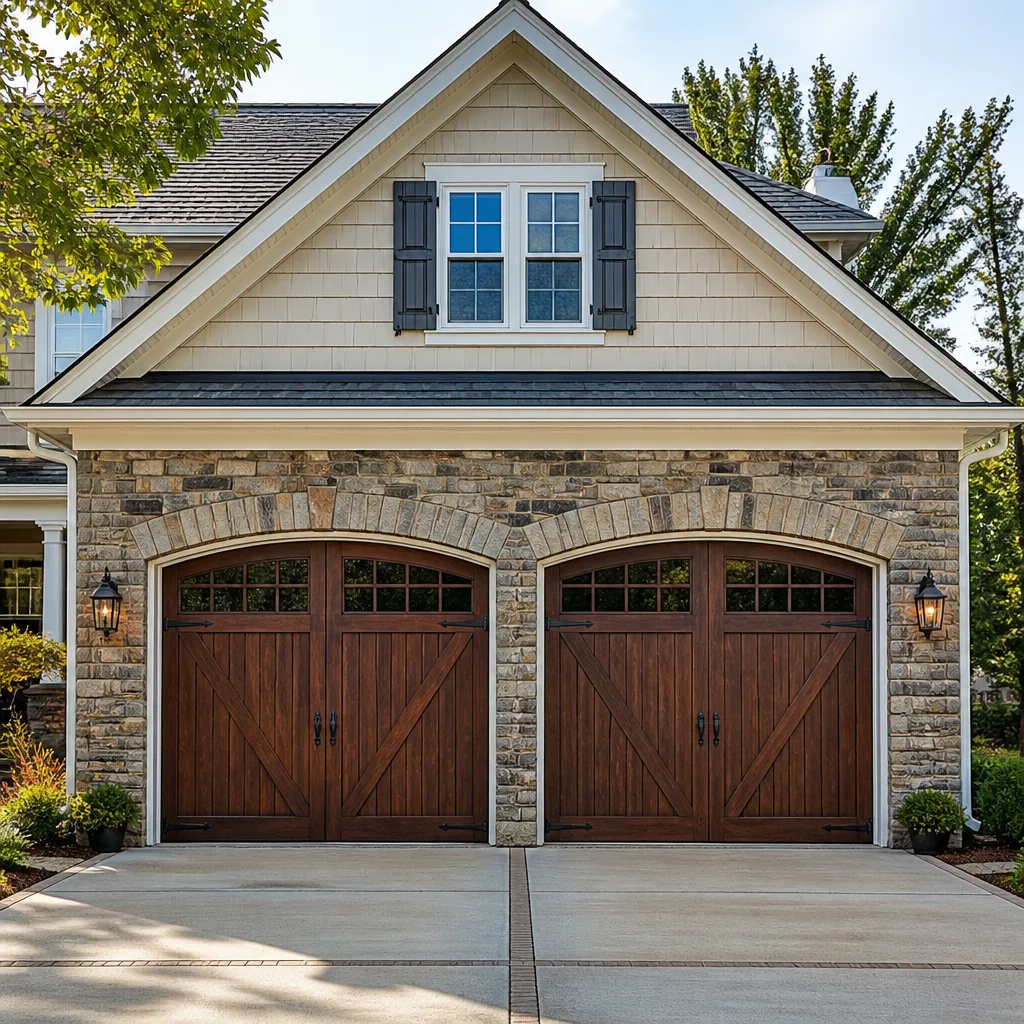 Carriage house
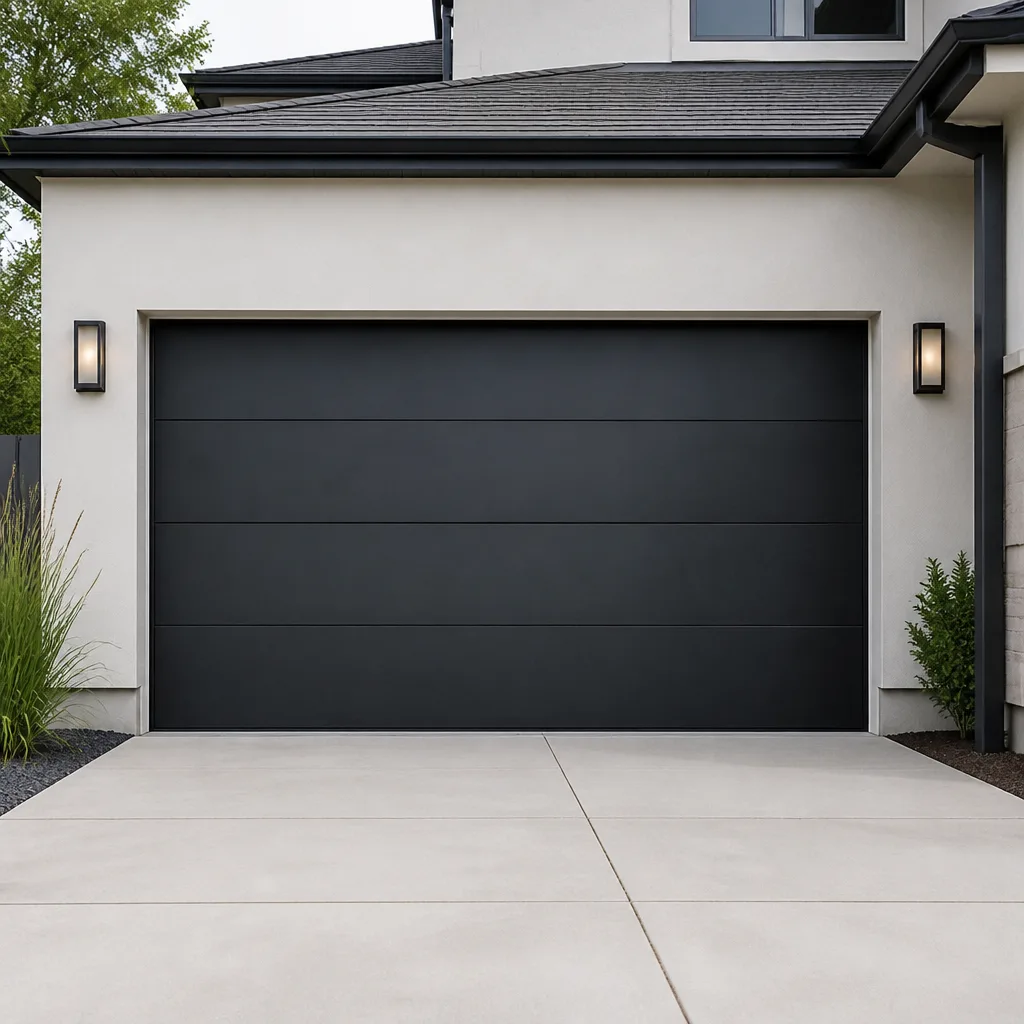 Modern flush
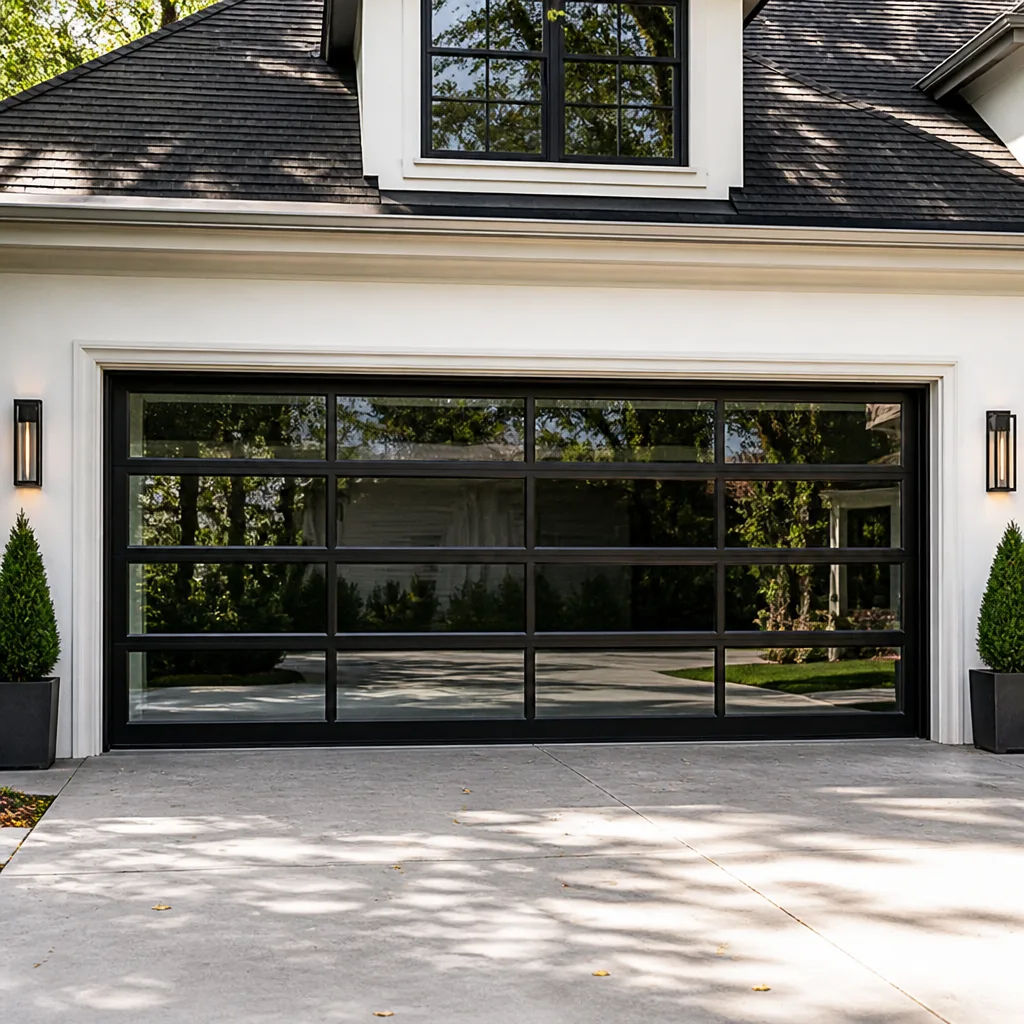 Full-view glass
 LiftMaster openers
 Chamberlain openers
Full 25-point door and opener safety check with every visit - springs, cables, rollers, tracks, and your LiftMaster or Chamberlain opener included
You get a price before we start. It does not change when the pro arrives.
Get your free estimateGarage Door Emergency Preparedness Guide for Hyde Park Homes
If your garage door fails in the closed position, the fastest way out isn’t forcing it open. And if it fails open, leaving to find help first may be the worst thing you can do for your home’s security. Most homeowners discover this in the worst possible moment, standing in a cold driveway at first light with a car trapped inside or a wide open bay facing the street. The door isn’t just a convenience; it’s the largest moving part of your house and, for many Hyde Park homes, the main way in and out. What follows is a pre-built response plan: what to do in each failure state, what never to touch, how to secure an open door temporarily, and what to have ready before you call. Read it once now, while nothing is broken, so you’re not learning it from scratch on a Hyde Park morning when the temperature is in the teens.
Quick Answer
When a garage door fails in Hyde Park, the right move depends on which state it’s stuck in. If the door is stuck open, secure the opening first, then call for service. If it’s stuck closed with a car trapped or the house sealed off, use the emergency release only with the door fully down and no spring tension, and never force a door with a broken spring. In both cases, stop operating the door and call a specialist at (877) 716-7297 for a free estimate.
Styles & brands we work with
- Raised-panel steel
- Carriage house
- Modern flush
- Full-view glass
- LiftMaster openers
- Chamberlain openers
Table of Contents
- The Two Emergency States: Stuck Open vs. Stuck Closed
- Operating the Emergency Release Cord Safely
- When a Spring Snaps: What to Do and What Not to Do
- How to Secure an Open Door Temporarily
- What to Have Ready When You Call
- Why Hyde Park Winters Make Failures More Likely
- Building a Maintenance Habit Before You Need It
- Common Mistakes to Avoid
The Two Emergency States: Stuck Open vs. Stuck Closed
A garage door emergency in Hyde Park splits into two very different situations, and they call for opposite first moves. Getting clear on which one you’re in is the single most useful thing you can do before you touch anything. The failure state, not the panic level, decides the sequence.
Door Stuck Open: Protect the Opening First
An open door that won’t come down leaves your home and everything in it exposed to the street. This is a security problem before it’s a repair problem. Your job in the first few minutes is to close or block the opening, not to diagnose the opener. If the door is fully up and resting on its tracks, you can often lower it manually by disengaging the opener and guiding it down by hand, but only if the springs are intact and the door moves freely. If it resists or feels heavy, stop; a heavy door is a sign the spring or cable has failed, and pulling on it can bring it down hard.
Door Stuck Closed: Access and Logistics
A door that won’t open traps your car and, in many Hyde Park homes, cuts off the path to a rear entry or a basement workspace. The mistake here is forcing the door up or hammering the opener to coax it. If the door is fully closed and at rest, the springs are under less load than at any other position, which makes this the safer state to work from. Use the emergency release only if you’ve confirmed the door is down and the springs look intact. If a spring is visibly broken or the door won’t lift with reasonable hand pressure, leave it and call. Access is inconvenient; a door crashing down on a person is not a trade worth making.
Either way, the decision is quick: secure or preserve the opening, then get a specialist on the phone. Our garage door repair team works the brand you already have, whether that’s a LiftMaster opener or a Raynor door, so the diagnosis starts from what’s actually installed.
Operating the Emergency Release Cord Safely
The emergency release cord disconnects the door from the opener so you can move it by hand. It’s a safety feature, and used correctly it solves the stuck-door problem in seconds. Used wrong, it creates a second problem on top of the first. The common mistake is pulling the cord while the door is partway up or under spring tension. When you disengage the opener mid-travel, the door is no longer held by the motor, and its weight is carried entirely by the springs and your grip. If a spring is weak or broken, the door can drop.
Here’s the sequence that avoids that:
- Confirm the door is fully closed and at rest on the floor. Do not pull the cord with the door raised.
- Stand clear of the door’s path and keep hands and feet away from the hinges and track.
- Pull the release cord straight down and toward the opener, then let it hang free.
- Test the door by lifting it a few inches with both hands. If it’s heavy or won’t hold position, stop and do not continue; that’s a spring or cable failure, not an opener problem.
- If the door moves freely and stays where you put it, you can raise it by hand to get the car out, then lower it gently.
Once the door is disconnected, the opener won’t run it until you re-engage the trolley, usually by running the opener and letting the carriage reconnect. If the door came off the track or the panels are bent, don’t force the reconnect. That’s the point to call a technician. Opener faults, failed gears, and dead logic boards are their own category; our garage door opener repair covers Chamberlain and Genie units as well as legacy systems, so you’re not guessing at the model.
When a Spring Snaps: What to Do and What Not to Do
A spring snapping is loud, and it usually sounds like a gunshot inside the garage. The instinct is to inspect it up close, then try to get the door working again. Both are wrong. The spring carries the door’s weight; when it breaks, the door becomes dangerously heavy and can fall without warning. Springs are not a DIY job, and this is the one component where that warning is not an exaggeration.
What to Do
- Step away from the door and keep children and pets out of the garage.
- Leave the door exactly where it sits. Do not raise or lower it.
- Look at the spring from a distance only, to note whether it’s a torsion spring (on a shaft above the door) or an extension spring (running along the tracks), and whether one or both have failed.
- If the door is stuck open, secure the opening from the inside without operating the door, using the temporary measures below.
- Call for service and describe what you heard and see.
What Not to Do
Don’t try to lift the door by hand to test it. Don’t unwind, cut, or adjust the remaining spring. Don’t run the opener to “see if it works now” – a motor fighting a dead spring can bend panels and snap cables. And don’t let a general handyman attempt the spring; high-tension springs require proper tools, winding bars, and the training to handle stored energy safely. In our experience, botched spring jobs are one of the most common reasons a repair turns into a full door replacement. When a spring goes, the door stays put until a technician arrives, and that’s the safest plan.
How to Secure an Open Door Temporarily
If the door is stuck open and can’t be closed, your priority shifts to closing the gap between your home and the street. You don’t need special equipment for most of this; basic hardware you probably already have will hold an opening overnight until a technician can get there. The goal is deterrence and a physical barrier, not a permanent fix.
- Lower the door manually only if it moves freely with the springs intact. If it’s heavy, skip to the next steps.
- Park a vehicle close to the opening, inside the garage if possible, to block the line of sight and the path in.
- Run a heavy chain, cable, or ratchet strap across the opening and lock it to the track on both sides, at a height that keeps someone from stepping over it easily.
- Prop a sturdy board or a piece of plywood across the opening from the inside, wedged against the floor and braced, to create a visual and physical barrier.
- Turn on exterior lighting and, if you have one, a motion sensor aimed at the bay. Light and visibility are strong deterrents.
- Let neighbors know and ask them to keep an eye on the house, especially on a Hyde Park block where homes sit close together.
These measures buy you time. They don’t fix the door, and you shouldn’t rely on them for more than a day or two. If the door is stuck open and you can’t secure it, call right away; an open bay is a security exposure we take seriously. Reach us at (877) 716-7297 and we’ll help you decide what’s safe to do before anyone arrives.
What to Have Ready When You Call
The information you hand over in the first two minutes of a call is the difference between a quick, well-prepared visit and a technician who has to guess. Have these details ready before you dial, or jot them on your phone. Gathering them now, while nothing is broken, is the whole point of this guide.
- Door dimensions: approximate width and height, and whether it’s a single or double bay. This tells us whether it’s a standard residential panel or a wider door with different hardware.
- Opener brand and model: check the label on the motor housing or the back of the unit. LiftMaster, Chamberlain, Genie, and Craftsman each have their own parts and quirks, and knowing the model speeds up diagnosis. If it’s a smart opener, note whether it’s WiFi-connected.
- Spring type: torsion (above the door on a shaft) or extension (along the sides). Note whether one or both look broken, from a safe distance.
- The door’s failure state: stuck open, stuck closed, halfway, off the track, or making a noise but not moving.
- What you’ve already tried: whether you’ve used the emergency release, whether the opener still runs, whether the wall button works.
- Whether a car is trapped and whether anyone needs to get out for work or an appointment.
With those details, we can match the right parts and the right technician to your system. Our technicians have up to 12 years of experience, and they work on the brand you already have rather than steering you toward a replacement. Call (877) 716-7297 with this list in hand and you’ll get a straight answer about what’s safe and what’s next.
Why Hyde Park Winters Make Failures More Likely
Cold is hard on garage door systems, and Hyde Park gets real winter weather. When temperatures drop, metal contracts, lubricant thickens, and the springs, cables, and hinges that carry the door’s weight take on extra stress. A spring that was already near the end of its life is more likely to snap on the coldest morning of the year, which is exactly when you need the door most.
There are a few seasonal patterns worth knowing. Torsion springs can become brittle in deep cold, and the failure often happens on the first hard freeze or after a cold snap. Extension springs can lose tension and allow the door to sag. Door rollers and hinges stiffen, so the opener has to work harder, and older units may strain or trip their safety reverse. Snow and ice packed at the base of the door can freeze the bottom seal to the floor, and forcing the opener against a frozen door puts extra load on the springs and the opener’s drive gear.
Hyde Park’s housing stock matters here too. Many homes here have older wood or steel doors with original openers, and a lot of them are Genie or Craftsman units that are now decades old. Older doors and openers aren’t inherently unsafe, but they reward attention. The neighborhood layout adds a wrinkle: many driveways are short or steep, and a door that won’t close means a car sitting exposed on the street. That’s why a winter failure is a logistics and security problem, not just a repair ticket. Get the part, get it done, before the next cold snap.
Building a Maintenance Habit Before You Need It
The best emergency response is the one you never have to use. A short monthly check catches most of the problems that turn into 7 AM failures. None of this involves touching the springs; it’s visual inspection and light lubrication, the safe part of garage door care.
- Listen first. Run the door and listen for grinding, popping, or uneven movement. New noises are early warnings.
- Check the balance. With the door closed, pull the release and lift it halfway by hand. It should stay in place. If it drops or rises on its own, the springs are out of balance.
- Inspect the springs from a distance. Look for gaps in torsion springs or stretched extension springs. Don’t touch them; note anything odd and call.
- Lubricate moving parts. A garage door lubricant on hinges, rollers, and tracks keeps things moving in cold weather. Avoid the springs themselves and the opener’s track teeth.
- Check the safety reverse. Place a roll of paper towels under a closing door. It should reverse on contact. If it doesn’t, that’s a repair, not a routine adjustment.
- Look at the weather seal. A cracked or frozen bottom seal lets cold air and water in and can freeze the door shut.
- Clear snow and ice from the base of the door and the tracks before operating it after a storm.
A door that’s starting to act up is a door to look at before winter, not during it. If your opener is old, your springs are original, or your door is getting harder to move, our garage door installation team can tell you whether a repair or a replacement is the honest answer. Most of the time it’s a repair, and we’ll say so. The team at Hyde Park Garage Door Repair Pros handles the full range from a single roller to a complete door, so you’re not sent looking for a second contractor.
Common Mistakes to Avoid
- Pulling the emergency release with the door up. That disconnects the opener while the springs are loaded, and the door can drop. Only release the cord with the door fully down and at rest.
- Forcing a door with a broken spring. The weight is too much for the motor and for you. A bent panel or snapped cable from forcing it turns a spring job into a full replacement.
- Letting a handyman touch the springs. High-tension springs are the most dangerous part of the system. In Hyde Park, where older doors are common, a secondhand spring job is a real risk to anyone in the garage.
- Leaving an open door open all day. An open bay faces the street. Secure it the same day, even if the repair has to wait a day.
- Running the opener to “test” it after a failure. Repeatedly cycling a door with a dead spring strains the motor and can damage the drive gear and carriage.
- Ignoring a frozen bottom seal. Forcing the door up against a frozen seal puts extra load on the springs and can tear the seal or bend the bottom panel.
- Calling without the door and opener details. Not knowing whether you have a LiftMaster or a Genie, or whether the door is 8 feet or 16 feet wide, means a second trip and a longer wait.
See the difference
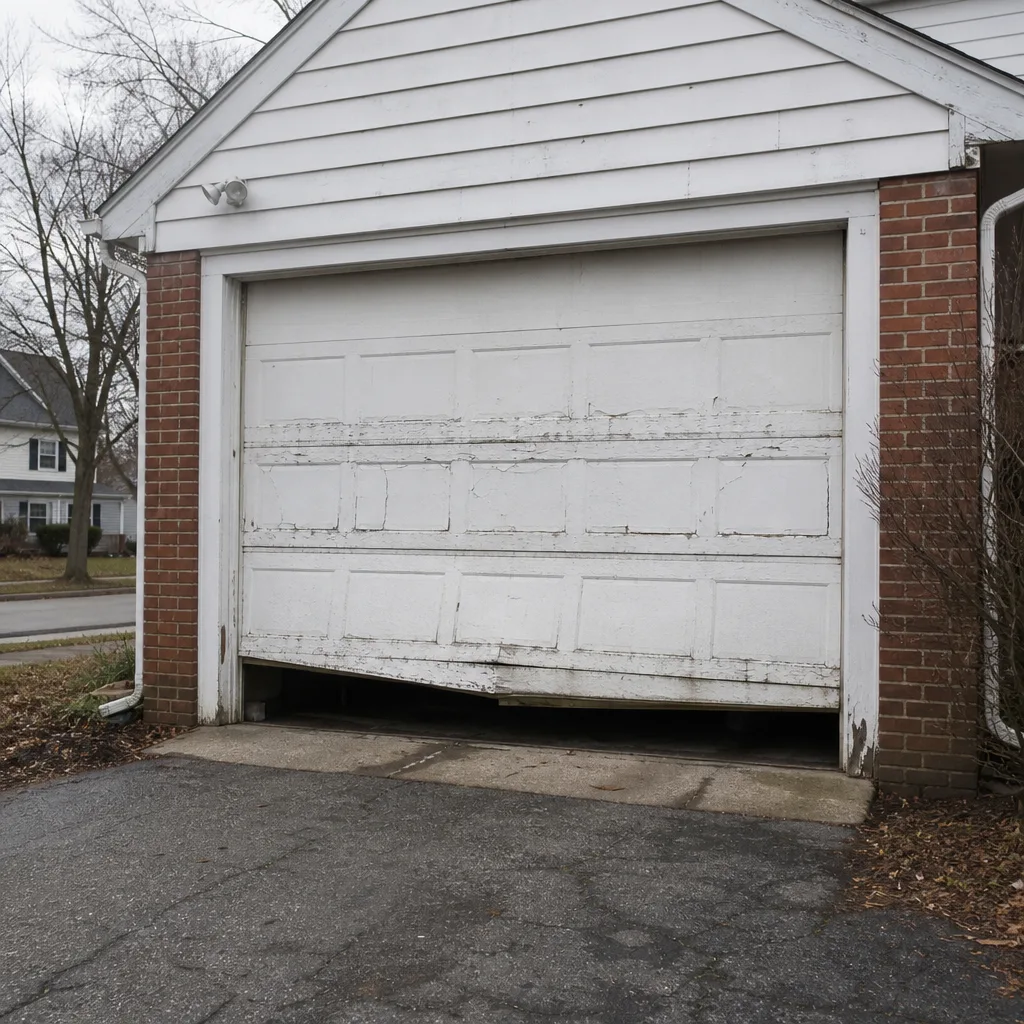 Before
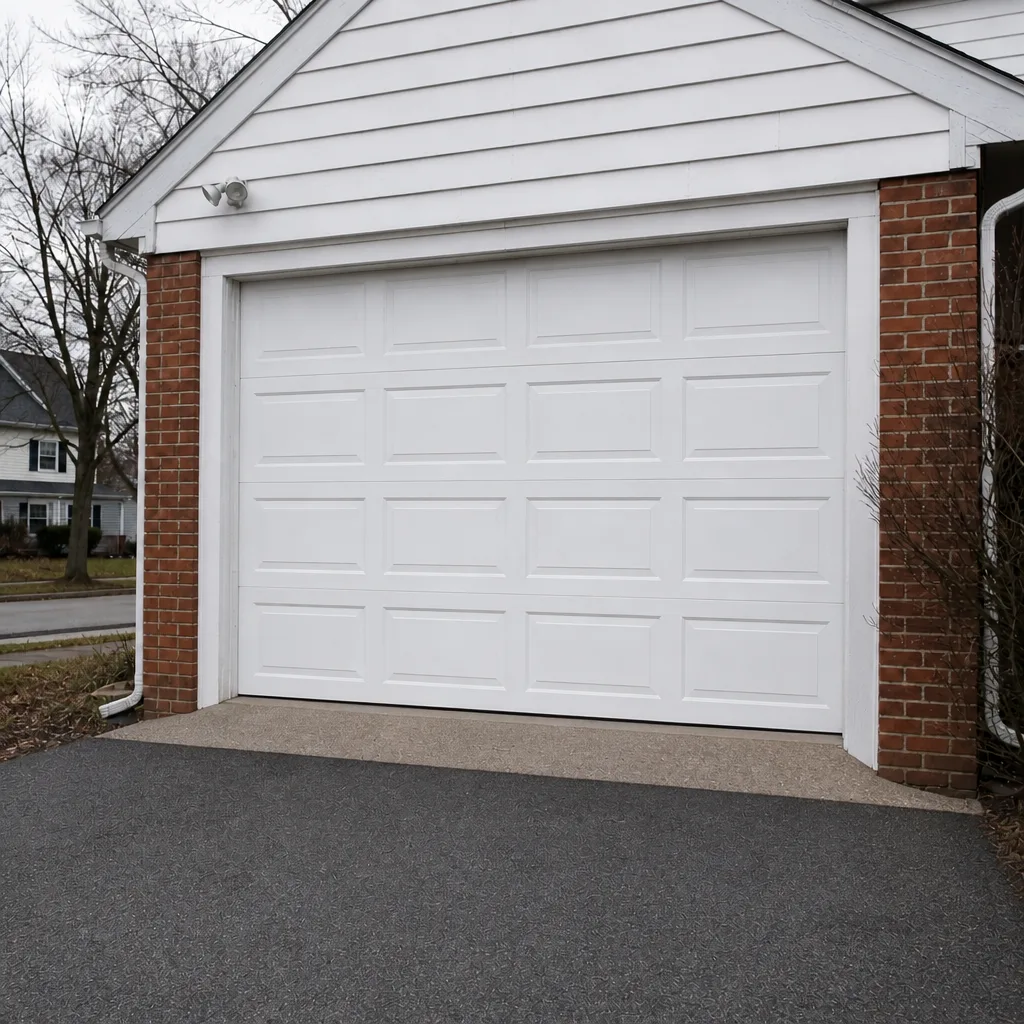 After
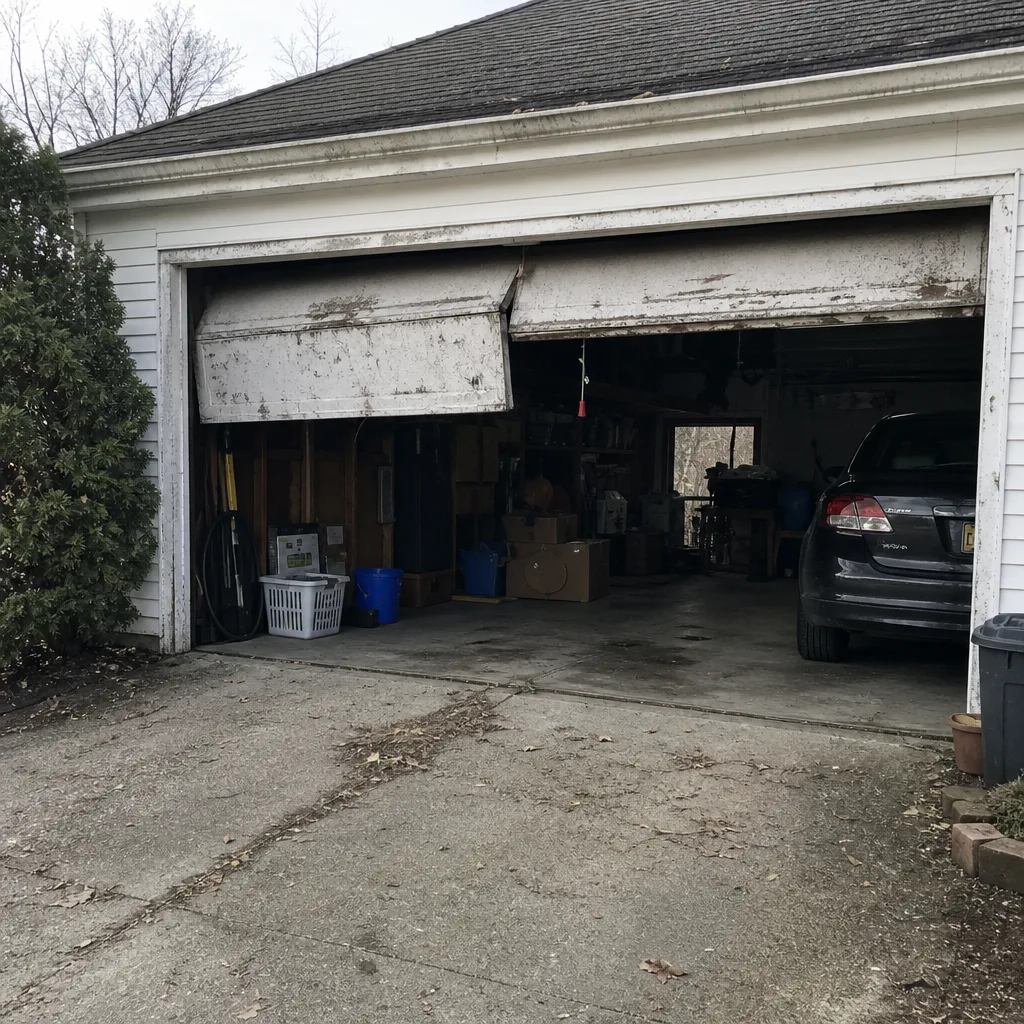 Before
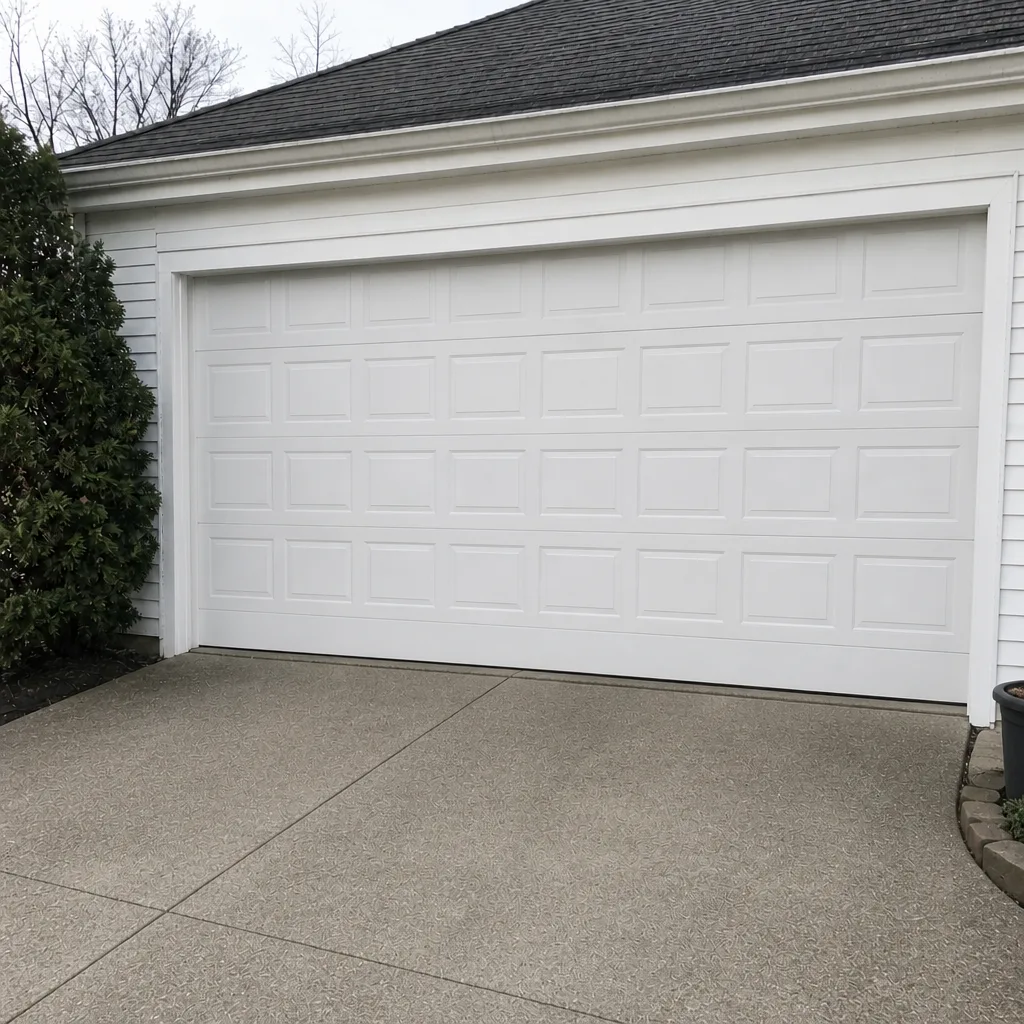 After
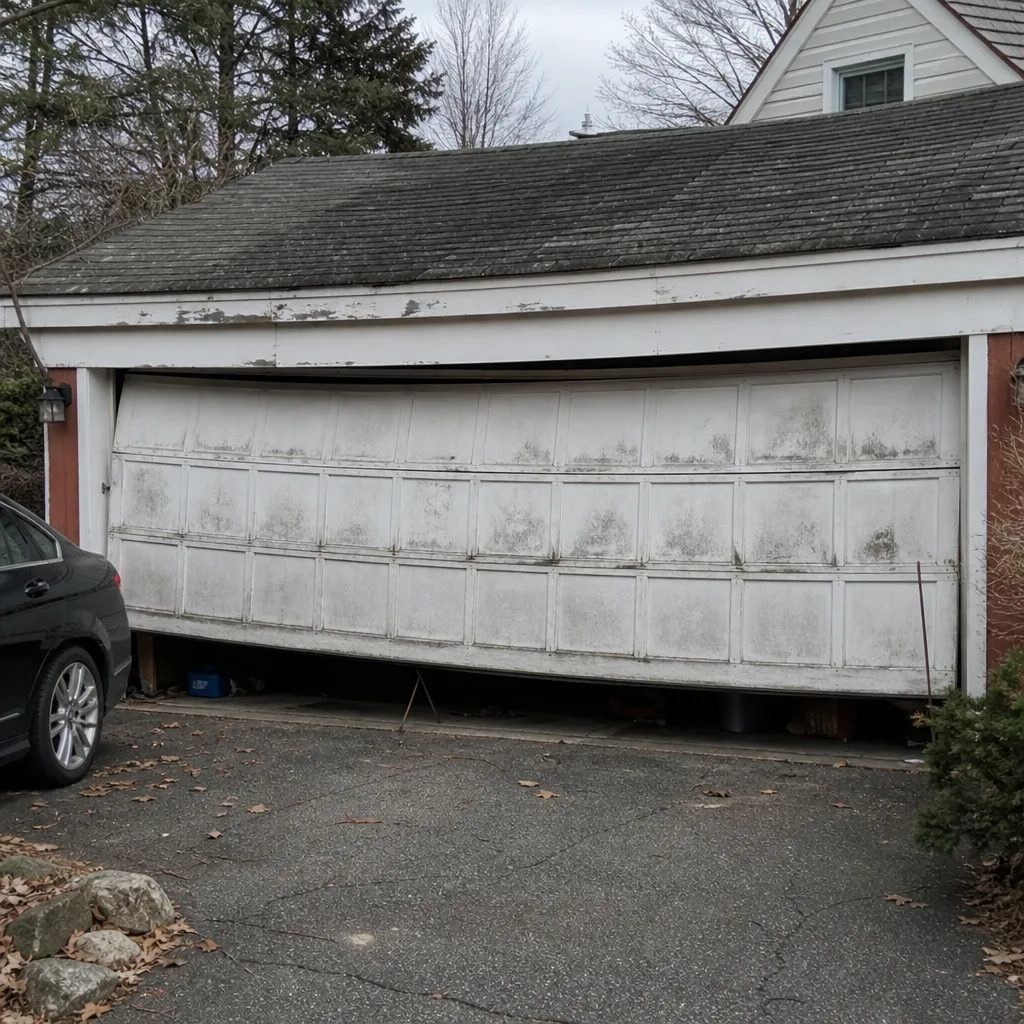 Before
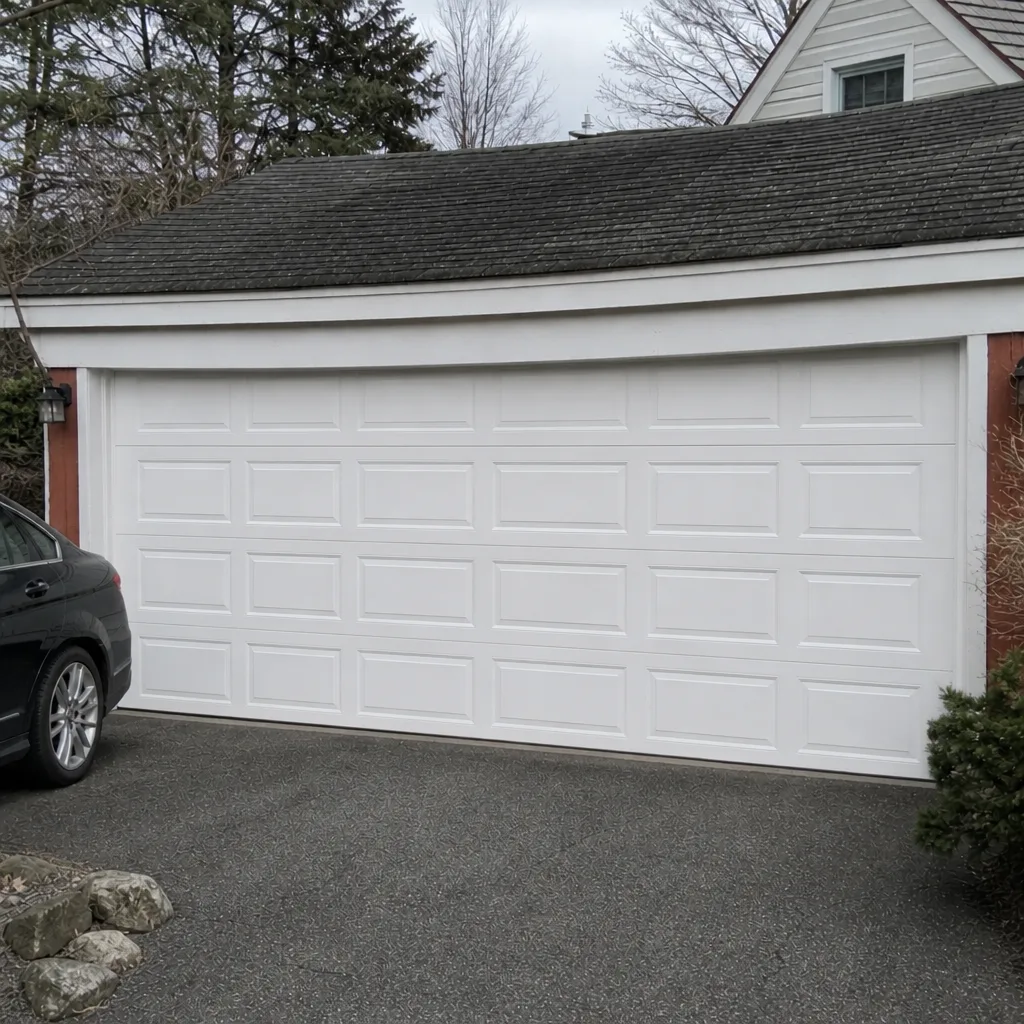 After
When to Call a Professional
Some things are worth a call without hesitation. A snapped spring, a door off its track, a cable that’s come loose or frayed, a door that won’t stay up when lifted by hand, or an opener that runs but won’t move the door. A door that reverses on its own, closes on an object, or makes a new grinding noise is a stop-and-call too; those point to opener or balance problems that get worse with use. If the door is stuck open and you can’t secure it, call right away. If a car is trapped and someone needs to get out, call and we’ll talk you through the safest way to free it without forcing the door. Hyde Park Garage Door Repair Pros offers free estimates in Hyde Park; call (877) 716-7297. We’ll tell you what’s safe to do and what to leave alone, then get a technician out with the right parts.
Frequently Asked Questions
First, decide whether the door is stuck open or closed, then secure the opening before diagnosing. If the door is stuck open, block the bay with a vehicle, a chain across the opening, or a braced board, and call for service; an open door is a security exposure, not just a repair. If it’s stuck closed, don’t force it up. Check whether the springs look broken from a distance, and if they do, leave the door and call. Call (877) 716-7297 for an exact quote; estimates are free.
Yes, but only when the door is fully closed and at rest. The release cord disconnects the opener from the door, and if you pull it with the door raised or under spring tension, the door can drop. Pull the cord straight down with the door down, then test the door by lifting it a few inches. If it’s heavy or won’t hold, stop; that’s a spring or cable problem. Call (877) 716-7297 if you’re unsure about the door’s condition.
Yes. The spring carries the door’s weight, and when it breaks, the door can fall without warning. Leave the door exactly where it sits, keep people and pets out of the garage, and don’t try to lift or adjust anything. Springs are not a DIY job. Our technicians have up to 12 years of experience with high-tension springs and work on the brand you already have. Call (877) 716-7297 for a free estimate.
Repair costs depend on what failed, so the written estimate you get before any work starts is the price. We quote and agree the scope first, so there’s no surprise on the invoice. The one number to know up front is that a spring is priced per spring, and a matched pair is usually replaced together, so a pair costs about twice a single spring. Call (877) 716-7297 for a free estimate on your door.
No, not without your agreement. We inspect the door, diagnose the failure, and give you a written price before any work begins. If the job turns out to be bigger than expected, we explain why and get your approval before continuing. The written quote sets the final price. Call (877) 716-7297 to book a free estimate.
The local professionals we connect you with are licensed and insured as their state requires, and they’re experienced with the major brands, including LiftMaster, Chamberlain, Genie, and Clopay. We match the right technician to your door and opener so the diagnosis starts from what’s actually installed. Call (877) 716-7297 to talk through your situation and get a free estimate.
The Bottom Line
A garage door failure in Hyde Park is a decision problem before it’s a repair problem. Know which state you’re in: stuck open means secure the opening first, stuck closed means don’t force it. Leave a broken spring alone and keep everyone out of the garage. Use the emergency release only with the door fully down and the springs intact. Have your door dimensions, opener brand and model, and spring type ready before you call, and secure an open door the same day with basic hardware and light. Build a monthly check into your routine so the next cold snap doesn’t catch you. When something does fail, call (877) 716-7297 for a free estimate and a clear answer on what’s safe to do next.
Written by the team at Hyde Park Garage Door Repair Pros.