Last updated November 21, 2026
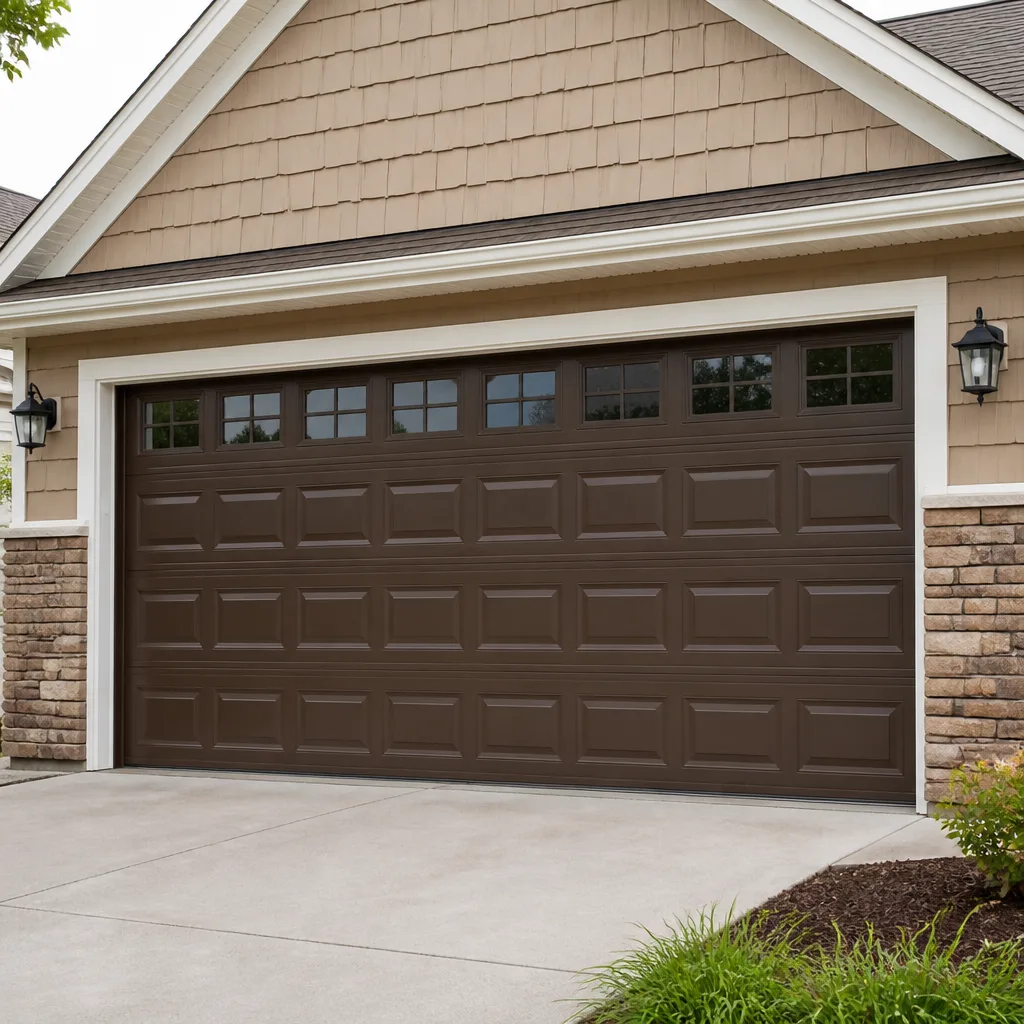 Raised-panel steel
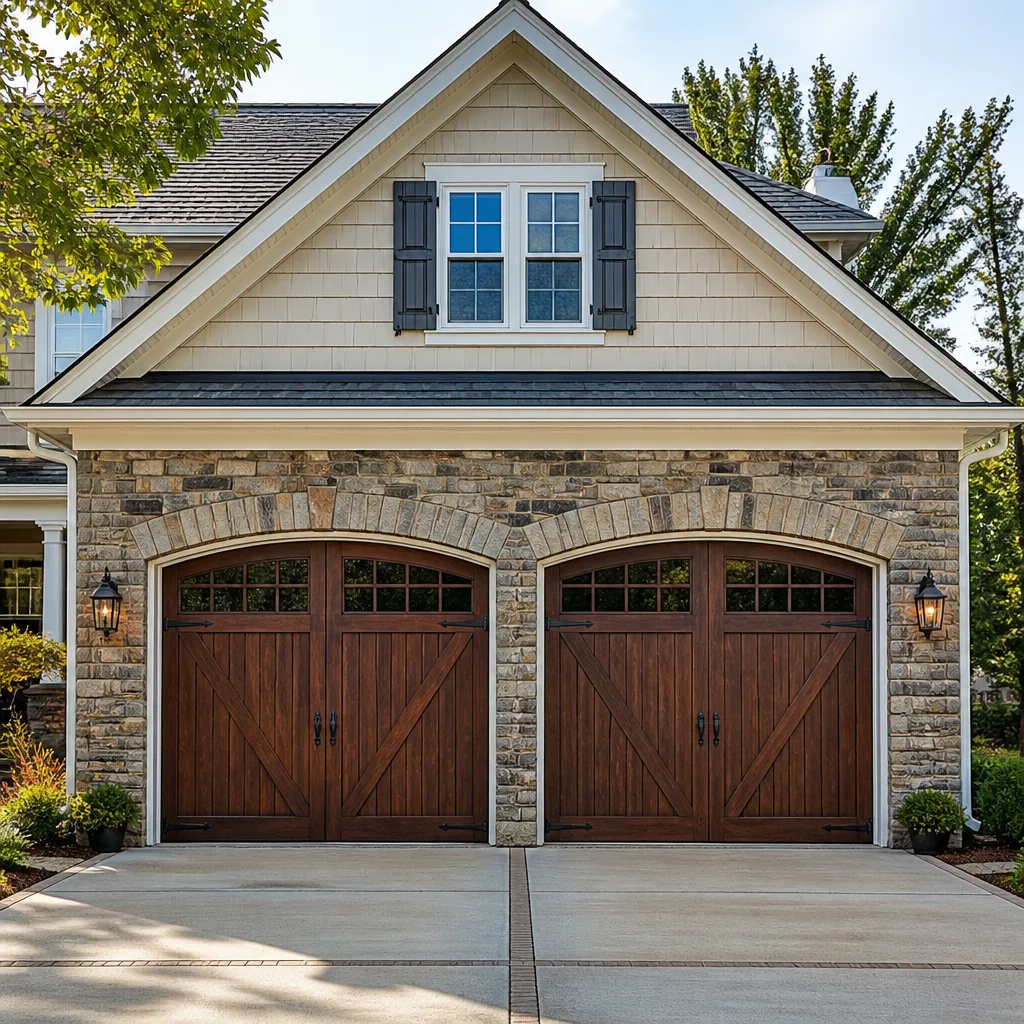 Carriage house
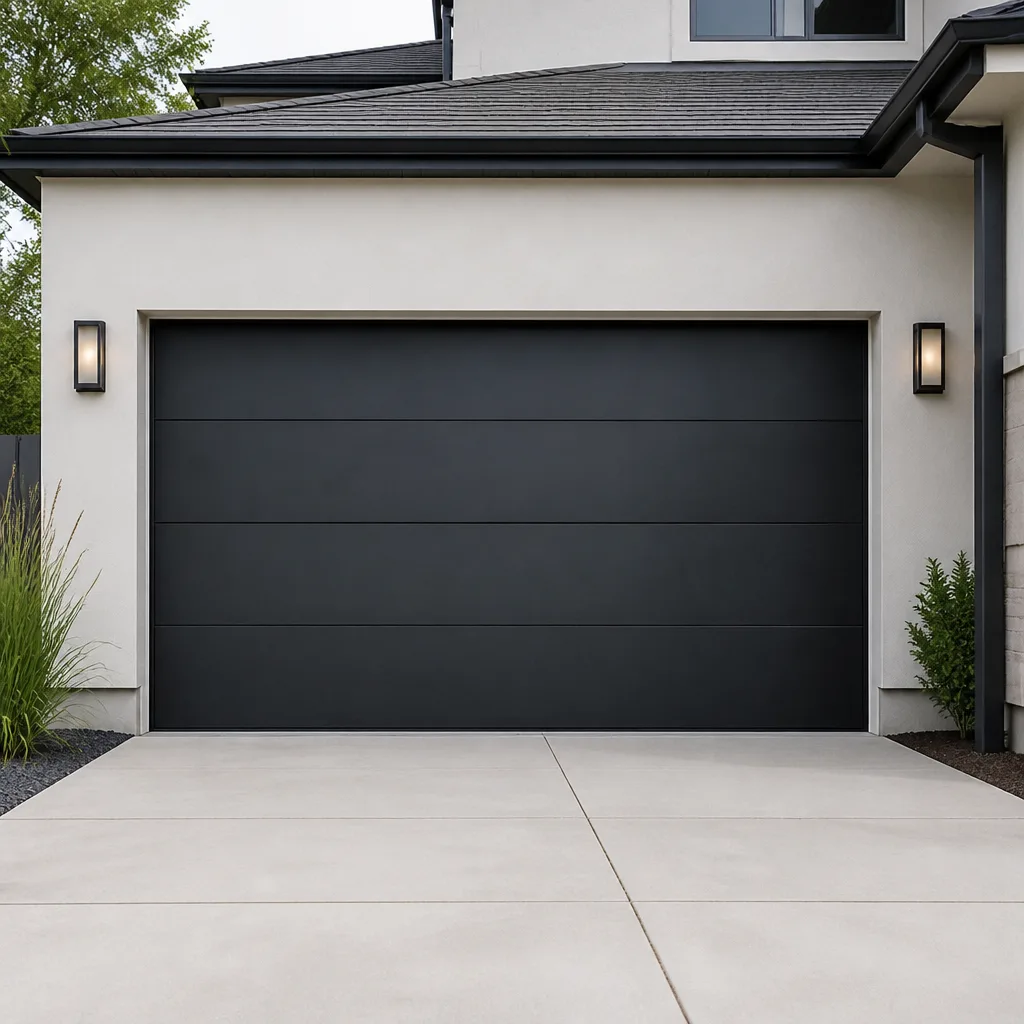 Modern flush
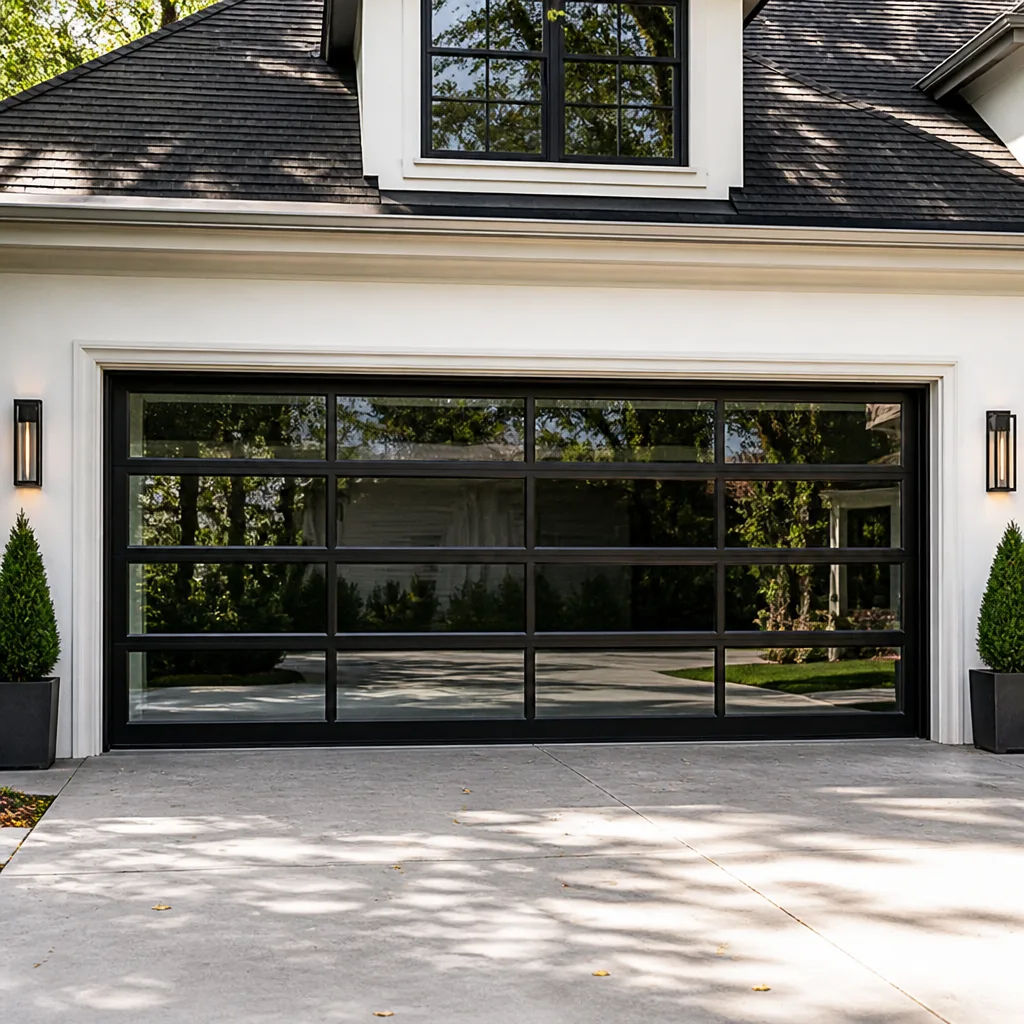 Full-view glass
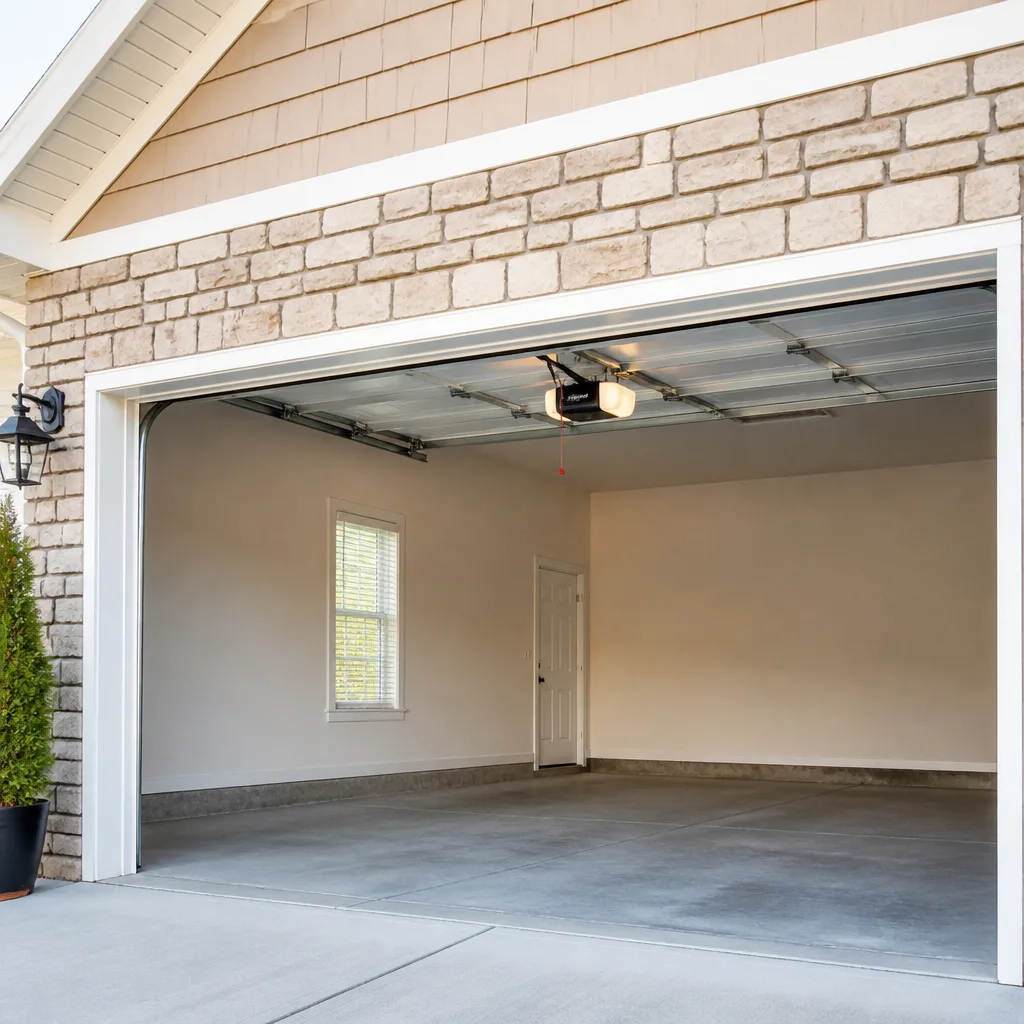 LiftMaster openers
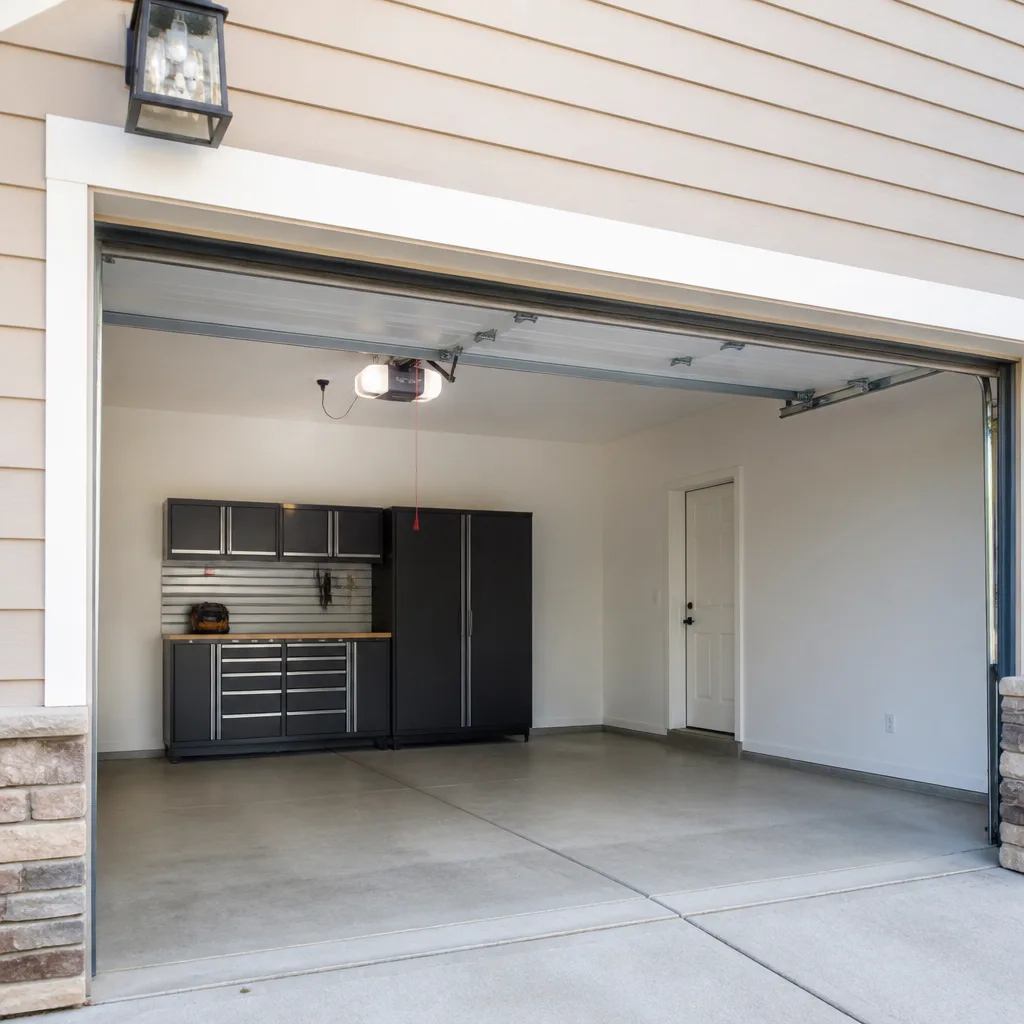 Chamberlain openers
Full 25-point door and opener safety check with every visit - springs, cables, rollers, tracks, and your LiftMaster or Chamberlain opener included
You get a price before we start. It does not change when the pro arrives.
Get your free estimateGarage Door Permits, Codes & Inspections in Hyde Park, MA: What You Need to Know
A garage door replacement that required a permit but didn’t get one won’t show up as a problem until you try to sell your house, and by then the fix is on you. Most homeowners in Hyde Park assume any garage door job is a no-permit job. For a straight swap of a like-for-like door, they’re often right. The trouble starts when the job changes the opening, the framing, or the wiring, because that’s where Boston’s inspectional rules kick in and a missing permit becomes a liability that years later lands on the seller. This guide maps exactly when a permit applies to garage door work in Hyde Park, what “like-for-like” really means, how to check a contractor’s paperwork, and where the line sits between a replacement and an alteration.
Styles & brands we work with
- Raised-panel steel
- Carriage house
- Modern flush
- Full-view glass
- LiftMaster openers
- Chamberlain openers
Quick Answer
A straight door-for-door replacement of the same size in the same opening usually needs no building permit in Hyde Park. A new installation, a change in door size, any structural work on the garage header or framing, and new electrical circuits for an opener or charging equipment typically do require a permit from Boston’s Inspectional Services Department. When in doubt, ask the city’s building department before work starts.
Table of Contents
- Who has jurisdiction over garage door permits in Hyde Park?
- When does a garage door job need a permit in Hyde Park?
- What counts as “like-for-like replacement” legally?
- When structural work triggers a building permit
- Electrical permits for opener circuits and EV-adjacent upgrades
- What the Massachusetts State Building Code expects on wind load
- How to verify your contractor pulls permits
- What a garage door inspection actually involves
Who Has Jurisdiction Over Garage Door Permits in Hyde Park?
Hyde Park is a Boston neighborhood, so garage door permits here run through Boston’s Inspectional Services Department rather than a separate suburban building office. That single fact changes a lot. Homeowners in Readville or Cleary Square don’t call a town hall; they call the city, and the city’s building department is the authority on whether a garage door project needs a permit and what drawings or documentation it wants to see. The Massachusetts State Building Code, known as 780 CMR, sets the statewide baseline, and Boston applies it along with its own local amendments and review process.
The practical takeaway is that the rules are consistent across every Boston neighborhood, so a procedure that works in West Roxbury applies in Hyde Park too. What varies is the job itself. A detached garage behind a single-family home on a quiet residential street is reviewed differently than a garage attached to the main house, because an attached garage shares a wall, a roofline, and often a header with the living structure. When you call the city, describe the garage as attached or detached and give the door’s current dimensions and the dimensions you want. That single call clarifies most of the uncertainty before anyone orders a door.
For work that goes beyond a permit question and into the actual repair or installation, our Hyde Park Garage Door Repair Pros team can help you sort out what your specific job involves. But for the legal and permitting answers, the building department is the source, and this guide is the map that tells you which questions to ask.
When Does a Garage Door Job Need a Permit in Hyde Park?
The short rule of thumb: if you’re replacing a door with the same door, you usually don’t need a permit; if you’re changing the opening, the structure, or the electrical system, you usually do. Here’s how that breaks down in practice for Hyde Park homeowners.
Usually no building permit:
- A straight replacement of the same size door in the same tracks with the same type of opener
- Replacing worn springs, cables, rollers, hinges, or a single damaged panel
- Swapping an opener for a comparable unit on an existing circuit
- Routine maintenance, tuning, or safety-reverse adjustment
Often needs a permit:
- Installing a door where there wasn’t one, such as converting an open carport into an enclosed garage
- Changing the width or height of the opening, which means cutting or reframing the header
- Any work on the structural framing above or around the opening
- Adding a new electrical circuit or outlet to power an opener or charging equipment
- Converting a garage to a habitable space, which brings in insulation, egress, and separation requirements along with it
We’ve seen homeowners assume that because a door swap is exempt, every garage door job is exempt. That assumption is where the trouble starts. The honest answer to “does this need a permit” always depends on scope, and scope is exactly what a written estimate should spell out before anything is ordered.
What Counts as “Like-for-Like Replacement” Legally?
Like-for-like means the new door matches the old one in the ways that matter to the code: the same opening width and height, the same mounting method, the same general wind-load characteristics, and no change to the surrounding structure. A Clayton or Amarr door in the standard size for a Hyde Park two-car garage, swapped for another door of that size in the same tracks, is the classic like-for-like case. It’s a repair in the eyes of the code, not an alteration.
The line gets crossed when any of the following happens:
- Size change. A wider or taller door requires the opening to change, so the header, jambs, and trim get involved.
- Type change. Moving from a sectional door to a roll-up door, or from a manual door to an automatic one, can change the structural load path and the electrical scope.
- Track or spring system change. A conversion from extension springs to torsion springs is usually fine on its own, but changing the mounting hardware, low-headroom configuration, or high-lift setup can raise questions.
- Structural change. Any cutting, welding, or reframing of the opening counts as an alteration, not a replacement.
- Electrical change. A new circuit or a new outlet is electrical work, and elect
See the difference
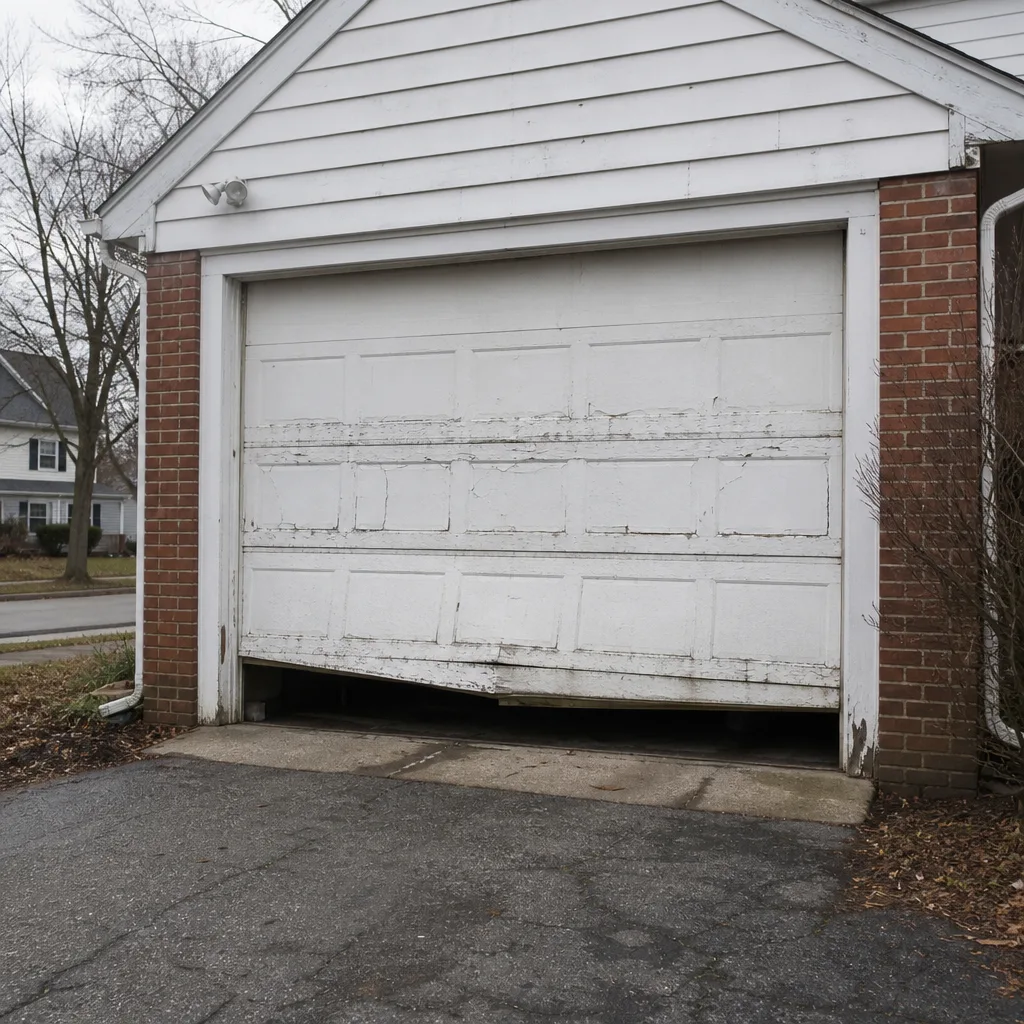 Before
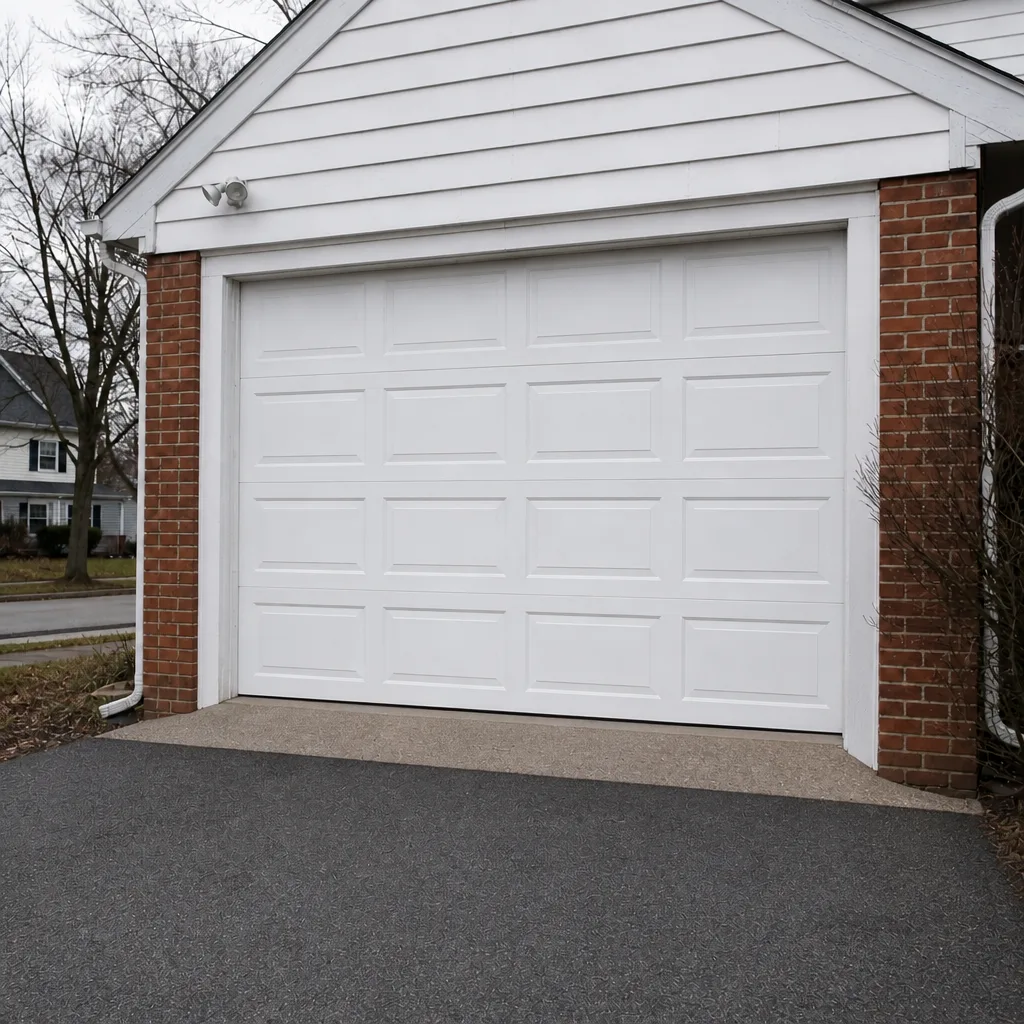 After
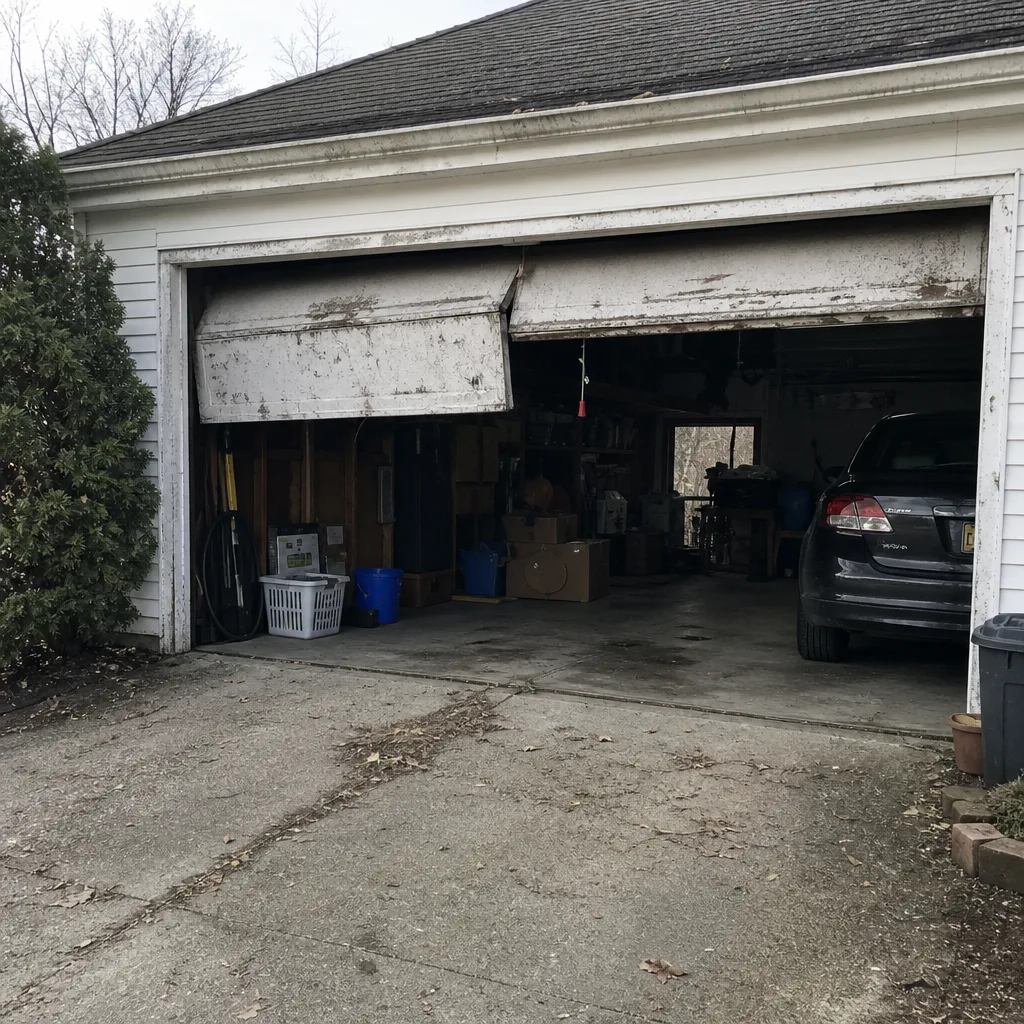 Before
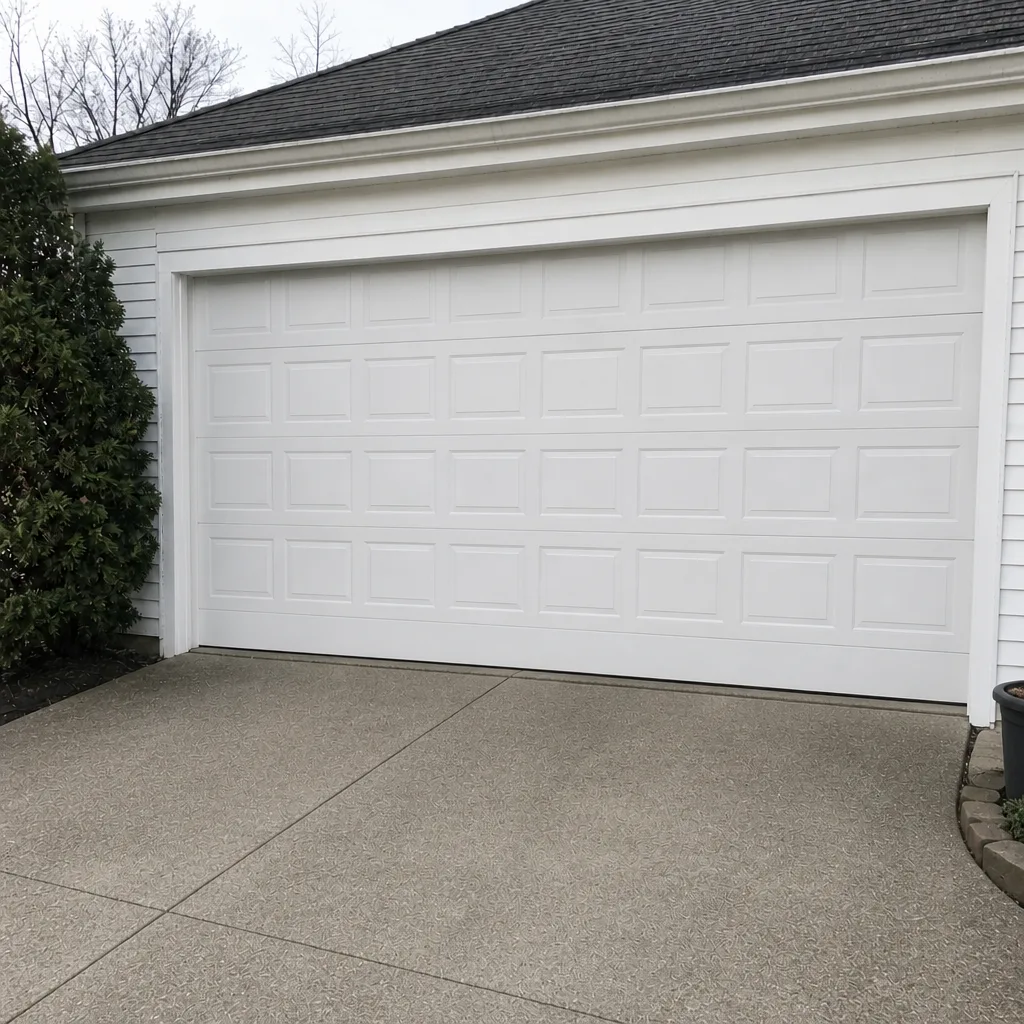 After
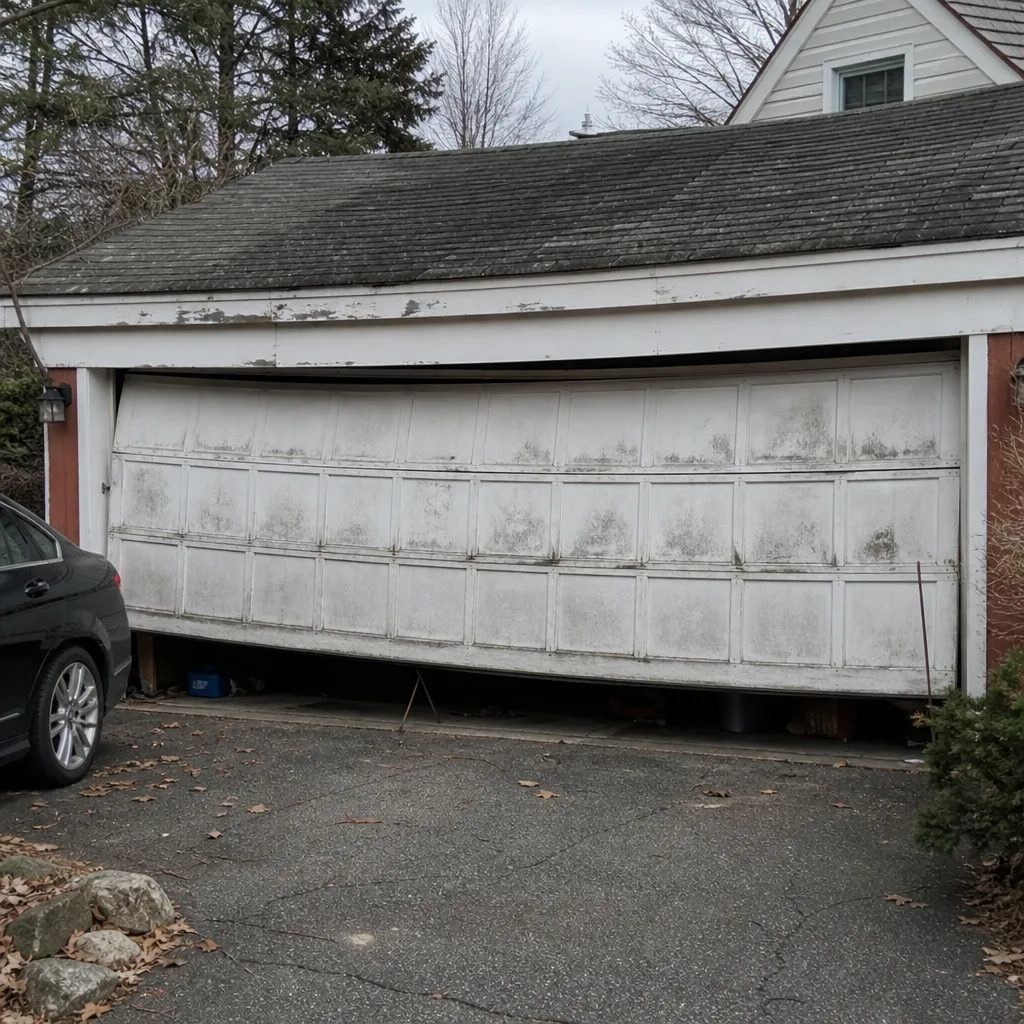 Before
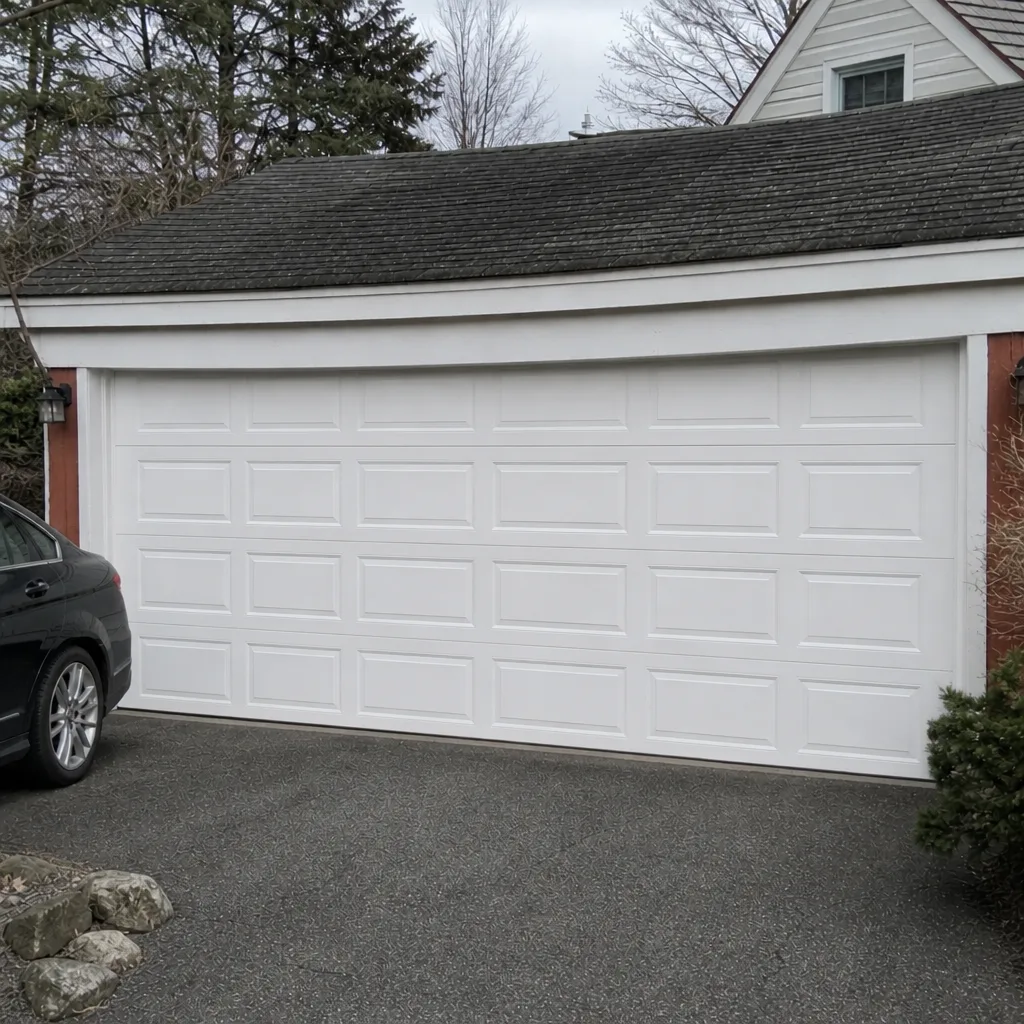 After